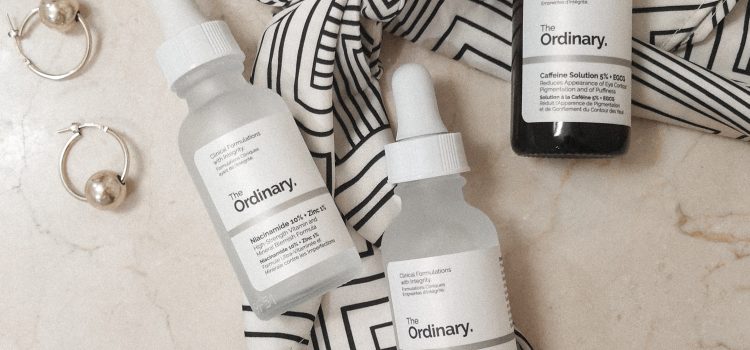
In the world of skincare, acne is a common concern that affects many individuals. However, not all acne is created equal. While traditional acne is often caused by bacteria, another form of acne known as fungal acne, or pityrosporum folliculitis, is caused by an overgrowth of yeast on the skin’s surface. Fungal acne can be frustrating to deal with, as it requires a different approach and understanding of the ingredients that can aggravate the condition.

One crucial aspect of managing fungal acne is the choice of skincare products. Specifically, it’s important to stay away from heavy oils and emollients that can worsen the condition. Here’s why:

Understanding Fungal Acne

Fungal acne occurs when an overgrowth of a specific type of fungus called Malassezia disrupts the balance of the skin. This overgrowth leads to the development of small, itchy bumps that resemble traditional acne. These bumps are typically uniform in size and can appear on the face, chest, back, or other areas of the body.

Heavy Oils and Emollients: A Breeding Ground for Fungal Overgrowth

Certain oils and emollients, although beneficial for other skin types, can create an environment conducive to fungal overgrowth in individuals prone to fungal acne. These heavy substances tend to sit on the surface of the skin, forming a barrier that traps heat and moisture. This trapped environment provides an ideal breeding ground for the Malassezia fungus, leading to the proliferation of fungal acne.

Identifying Problematic Ingredients

To effectively manage fungal acne, it’s important to identify the oils and emollients that can exacerbate the condition. Here are some commonly used ingredients to watch out for:

1. Coconut Oil: Coconut oil, often praised for its moisturizing properties, is a known culprit when it comes to fungal acne. While it may work well for some individuals, its high content of lauric acid can promote the growth of Malassezia, worsening the condition.

2. Mineral Oil: Mineral oil is a popular ingredient in many skincare products due to its occlusive properties. However, this heavy oil can trap moisture and heat, creating an environment where the fungus thrives.

3. Shea Butter: Shea butter, derived from the African shea tree, is a rich emollient that is commonly found in moisturizers and body creams. Unfortunately, it can be problematic for those with fungal acne-prone skin, as it can clog pores and contribute to fungal overgrowth.

4. Lanolin: Lanolin, a natural oil derived from sheep’s wool, is often used in skincare products for its moisturizing properties. However, it has the potential to exacerbate fungal acne due to its heavy texture and occlusive nature.

5. Beeswax: Beeswax is a common ingredient in skincare formulations due to its thickening and emollient properties. However, it can create a barrier on the skin’s surface that promotes the growth of fungus, leading to the development of fungal acne.

Finding Suitable Alternatives

When dealing with fungal acne, it’s important to choose lightweight, non-comedogenic products that won’t suffocate the skin or provide a favorable environment for fungal overgrowth. Look for water-based moisturizers and serums that are specifically formulated for acne-prone or sensitive skin. Ingredients like hyaluronic acid, niacinamide, and lightweight oils such as squalane can provide hydration without exacerbating fungal acne.

Consulting a Dermatologist

If you’re struggling with fungal acne, it’s advisable to consult a dermatologist who can provide tailored advice and recommend suitable products for your specific condition. They can help you navigate the world of skincare and develop a

routine that addresses your concerns while avoiding ingredients that can trigger or worsen fungal acne.

In conclusion, when it comes to managing fungal acne, it’s crucial to steer clear of heavy oils and emollients that can create an environment conducive to fungal overgrowth. By understanding the ingredients to avoid and opting for suitable alternatives, individuals with fungal acne-prone skin can promote a clearer, healthier complexion. Remember, finding the right skincare routine is a journey, and seeking professional guidance can significantly enhance your efforts in combating this specific type of acne.


Water is essential for life, and we rely on it for various daily activities, including washing our faces and bodies. However, not all water is created equal. While we often pay attention to the quality of the water we consume, such as ensuring it’s clean and free from contaminants, we often overlook the impact of water quality on our skin. One aspect that deserves our attention is the presence of hard water and its potential harm to our skin.

Hard water is water that contains high levels of minerals, particularly calcium and magnesium. These minerals are naturally present in the earth and can find their way into our water sources, making it “hard.” While hard water is not harmful to consume, its effects on the skin can be concerning.

One of the main issues with hard water is its ability to disrupt the skin’s natural moisture barrier. The minerals in hard water can form a residue on the skin’s surface, preventing it from effectively retaining moisture. This can lead to dryness, irritation, and even exacerbate existing skin conditions such as eczema or psoriasis. Moreover, the residue can clog pores, leading to the development of acne and breakouts.

Furthermore, hard water can leave a film on the skin after washing, making it feel sticky or tight. This residue can also interfere with the performance of skincare products, as it creates a barrier that hinders their absorption into the skin. As a result, the effectiveness of your moisturizers, serums, and treatments may be compromised, leading to suboptimal results.

The damaging effects of hard water are not limited to the skin on our faces. Our bodies, including the skin on our arms, legs, and torso, can also be affected. Regular exposure to hard water during showers or baths can lead to overall dryness, itchiness, and discomfort.

It’s worth noting that the impact of hard water on the skin can vary depending on the individual’s skin type and sensitivity. Some people may be more susceptible to the negative effects, while others may not notice a significant difference. However, it’s important to be aware of these potential risks and take appropriate measures to protect and care for your skin.

So, what can be done to minimize the damage caused by hard water? One option is to install a water softener system in your home. These systems work by removing or neutralizing the minerals in hard water, resulting in a softer and gentler water supply. Alternatively, using a water filter or a showerhead filter specifically designed to reduce mineral content can also help mitigate the effects of hard water on the skin.

In addition to addressing the water quality, there are skincare practices that can help counteract the negative effects of hard water. Using a gentle cleanser that is formulated to remove impurities without stripping the skin’s natural oils is essential. It’s also beneficial to follow up with a hydrating moisturizer to replenish the skin’s moisture barrier.

In conclusion, the impact of water quality on our skin should not be underestimated. Hard water, with its high mineral content, can pose risks to the health and appearance of our skin. Understanding the potential harm it can cause, such as disrupting the skin’s moisture barrier and clogging pores, is crucial. By taking steps to mitigate the effects of hard water and adopting a suitable skincare routine, we can minimize the damage and maintain healthy, radiant skin.

In the world of skincare, new trends and techniques emerge constantly, promising to revolutionize our daily routines and deliver flawless complexions. One such technique that has gained significant attention is double cleansing. But what exactly is double cleansing, and why has it become a skincare staple for many? In this article, we will explore the concept of double cleansing, its benefits, and how to incorporate it into your skincare routine for the healthy, radiant skin you deserve.

What is Double Cleansing?

Double cleansing is a two-step cleansing method that involves using an oil-based cleanser followed by a water-based cleanser. The goal is to thoroughly remove makeup, sunscreen, dirt, and impurities accumulated throughout the day, ensuring a clean canvas for the rest of your skincare routine.

Step 1: The Oil-Based Cleanse

The first step in double cleansing is to use an oil-based cleanser. Contrary to popular belief, oil-based cleansers are not reserved for oily skin types. They are suitable for all skin types, including dry and sensitive skin. The oil-based cleanser effectively breaks down and dissolves makeup, sebum, and pollutants, which are often not fully removed by traditional cleansers alone. Gently massage the oil cleanser onto dry skin, allowing it to emulsify and lift away impurities. Rinse with warm water or wipe off with a damp cloth.

Step 2: The Water-Based Cleanse

After the oil-based cleanse, it’s time for the second step: the water-based cleanse. This step involves using a gentle, water-based cleanser to remove any residual impurities and cleanse the skin further. Choose a cleanser that is suitable for your skin type and concerns, whether it’s hydrating, exfoliating, or clarifying. Massage the cleanser onto damp skin, working it into a lather, and rinse thoroughly with lukewarm water.

Benefits of Double Cleansing

1. Thoroughly Cleanses the Skin: Double cleansing ensures that all traces of makeup, sunscreen, dirt, and pollutants are effectively removed, leaving your skin fresh and clean.

2. Prevents Breakouts: By thoroughly cleansing the skin, double cleansing helps to unclog pores and reduce the likelihood of breakouts. It allows other skincare products to penetrate better, maximizing their effectiveness.

3. Promotes Healthy Skin: Double cleansing helps to maintain a healthy skin barrier by removing impurities and balancing oil production. This can result in a smoother, clearer complexion.

4. Enhances Skincare Routine: When the skin is properly cleansed, it is more receptive to the active ingredients in serums, moisturizers, and treatments that follow. Double cleansing sets the stage for the rest of your skincare routine, allowing products to work their magic.

Incorporating Double Cleansing into Your Routine

Double cleansing can be easily incorporated into your daily skincare routine. Follow these steps to make the most of this technique:

1. Choose the Right Cleansers: Select an oil-based cleanser and a water-based cleanser suitable for your skin type and concerns. Look for gentle formulas without harsh ingredients that can strip the skin.

2. Evening Routine: Double cleansing is particularly beneficial in the evening to remove makeup and sunscreen. Start with the oil-based cleanser, followed by the water-based cleanser.

3. Morning Routine: In the morning, a single cleanse with the water-based cleanser is usually sufficient. However, if you have oily or acne-prone skin, you may still opt for double cleansing to ensure a fresh start to your day.

4. Frequency: Double cleansing doesn’t have to be done every day if it doesn’t suit your skin’s needs. Pay attention to your skin’s reaction and adjust the frequency accordingly.

5. Listen

to Your Skin: As with any skincare routine, it’s important to listen to your skin. If you notice any signs of irritation or dryness, adjust the products or frequency of double cleansing to maintain a healthy balance.

Double cleansing is a skincare routine that can benefit everyone, regardless of skin type or concerns. It is a simple yet effective method to achieve thoroughly cleansed, radiant skin. By incorporating an oil-based cleanser and a water-based cleanser into your routine, you are giving your skin the care it deserves. So, why settle for a single cleanse when you can experience the transformative power of double cleansing? Give it a try and discover the difference it can make for your skin.


Introduction:

Retinol, a powerful ingredient renowned for its anti-aging benefits, can be a game-changer in skincare routines. However, individuals with sensitive skin often hesitate to incorporate retinol due to concerns about potential irritation. In this comprehensive guide, we will explore how to navigate retinol for sensitive skin and provide you with valuable tips on incorporating this powerhouse ingredient into your skincare routine for gentle yet effective results. With these expert insights, you’ll discover the secret to harnessing the power of retinol without compromising your sensitive skin.

Breaking News: Retinol and Sensitive Skin: Finding the Right Balance

1. Understanding Retinol: Retinol, a derivative of vitamin A, is known for its ability to boost collagen production, smooth fine lines, and improve skin texture. However, it can also cause dryness, redness, and irritation, particularly for those with sensitive skin. Finding the right balance is key to reaping its benefits while minimizing potential adverse effects.

2. Gradual Introduction: When incorporating retinol into your routine, start with a low concentration product and use it sparingly, gradually increasing frequency and dosage over time. This approach allows your skin to adjust and minimizes the risk of irritation.

Feature Story: Tips for Incorporating Retinol into Your Sensitive Skin Care Routine

1. Patch Test: Before introducing any new retinol product, perform a patch test on a small area of your skin to check for any adverse reactions. This step is crucial, especially for those with sensitive skin, as it helps identify potential sensitivities before applying the product to your entire face.

2. Choose Mild Formulations: Opt for retinol formulations specifically designed for sensitive skin. Look for products labeled as gentle, mild, or suitable for sensitive skin. These formulations often contain lower concentrations of retinol and may include soothing ingredients to minimize irritation.

3. Start Slow and Gradual: Begin by using retinol once or twice a week, preferably at night. Apply a pea-sized amount to clean, dry skin and gently massage it in. Over time, you can increase the frequency and eventually use retinol every other night or even daily, depending on your skin’s tolerance.

4. Moisturize and Protect: After applying retinol, follow up with a gentle moisturizer to hydrate and nourish the skin. Look for moisturizers with soothing ingredients like ceramides, hyaluronic acid, or aloe vera. Additionally, always wear sunscreen during the day to protect your skin from potential sun sensitivity caused by retinol.

Opinion Piece: Empowering Your Sensitive Skin Journey

Navigating retinol can be intimidating for those with sensitive skin, but with the right approach, it can be a beneficial addition to your skincare routine. It’s crucial to listen to your skin’s needs, be patient, and allow for a gradual adjustment period. If you experience persistent irritation or discomfort, consult a dermatologist who can provide personalized advice and recommendations.

Remember, each individual’s skin is unique, and what works for others may not work for you. Embrace the process of trial and error and find a retinol routine that suits your skin’s specific needs.

Conclusion:

Incorporating retinol into a sensitive skin care routine requires a cautious and gentle approach. By following these tips and recommendations, you can successfully introduce retinol into your skincare regimen without compromising your skin’s sensitivity. With time and patience, you’ll be able

to unlock the transformative benefits of retinol, enjoying smoother, more youthful-looking skin.

Introduction:

Acne can be a frustrating and persistent skin concern that affects people of all ages. Fortunately, there are several ingredients known for their effectiveness in treating acne-prone skin. In this comprehensive guide, we will explore the world of skincare and shed light on three powerhouse ingredients: Alpha Hydroxy Acids (AHA), Beta Hydroxy Acids (BHA), and Niacinamide. Understanding how these ingredients work and how to incorporate them into your skincare routine can be a game-changer in achieving clearer, healthier-looking skin.

Breaking News: The Science Behind AHA, BHA, and Niacinamide for Acne

1. Alpha Hydroxy Acids (AHA): AHA is a group of exfoliating acids, including glycolic acid and lactic acid, that work by gently dissolving dead skin cells on the surface. This exfoliation helps to unclog pores, reduce the appearance of acne scars, and promote skin cell turnover. AHAs are particularly beneficial for individuals with non-inflammatory acne, such as blackheads and whiteheads.

2. Beta Hydroxy Acids (BHA): BHA, most commonly known as salicylic acid, is a powerful ingredient that penetrates deep into the pores. It exfoliates not only the surface of the skin but also inside the pores, effectively removing excess oil, debris, and bacteria. BHA is highly effective in treating inflammatory acne, including pustules and cysts, due to its anti-inflammatory properties.

3. Niacinamide: Niacinamide, also known as Vitamin B3, offers a multi-faceted approach to acne treatment. It regulates sebum production, reduces inflammation, and helps strengthen the skin barrier. Niacinamide also works to fade acne scars, even out skin tone, and minimize pore appearance. Its versatility makes it suitable for various types of acne-prone skin.

Feature Story: The Ultimate Guide to Incorporating AHA, BHA, and Niacinamide into Your Skincare Routine

1. Understanding Your Skin: Before incorporating any new ingredient into your skincare routine, it is crucial to understand your skin type and concerns. Acne-prone skin can vary in its needs, and tailoring your approach will yield the best results.

2. Patch Testing: Patch testing is an essential step when introducing new products or ingredients to your skin. Apply a small amount of the product on a small area of your skin and observe for any adverse reactions or allergies. This will help determine if your skin tolerates the ingredients well.

3. Gradual Introduction: Start by introducing one ingredient at a time into your routine. Begin with a lower concentration and frequency to allow your skin to adjust. As your skin becomes accustomed, you can gradually increase the concentration and frequency of use.

4. Combination Approach: AHA, BHA, and Niacinamide can work synergistically to address different aspects of acne-prone skin. For example, you might incorporate an AHA-based cleanser or toner to exfoliate the skin, followed by a BHA spot treatment for targeted acne treatment. Finish with a moisturizer or serum containing Niacinamide to address inflammation and overall skin health.

Opinion Piece: The Power of Knowledge in Skincare

In the world of skincare, knowledge is power. Understanding the ingredients and their specific benefits empowers individuals to make informed choices for their skin. When it comes to treating acne-prone skin, AHA, BHA, and Niacinamide offer effective solutions backed by scientific research and

countless success stories. By embracing these ingredients and tailoring them to your unique needs, you can take control of your skin and achieve the clear, healthy complexion you desire.

Conclusion:

The battle against acne-prone skin can be daunting, but with the right knowledge and ingredients, it is a battle that can be won. AHA, BHA, and Niacinamide have proven their efficacy in addressing acne-related concerns and improving overall skin health. By incorporating these powerhouse ingredients into your skincare routine, you can take a proactive approach to achieve clearer, healthier, and more radiant skin.

Introduction:

In the fast-paced world we live in, finding time for a comprehensive skincare routine can be challenging, especially for busy women. However, there’s a skincare hack that has gained popularity among beauty enthusiasts: sleeping masks. These overnight treatments promise to nourish, hydrate, and rejuvenate the skin while you sleep. In this report, we will delve into the reasons why sleeping masks have become the ultimate skincare hack for busy women.

Breaking News: The Rise of Sleeping Masks

The beauty industry has witnessed a surge in the popularity of sleeping masks in recent years. Here’s why:

1. Time-Efficiency: Busy women are constantly seeking ways to optimize their skincare routines. Sleeping masks offer a time-efficient solution, as they combine multiple skincare steps into one. By applying a sleeping mask before bed, you can simultaneously moisturize, treat, and pamper your skin, without the need for additional products or time-consuming rituals.

2. Deep Hydration: Overnight, our skin undergoes a natural rejuvenation process. Sleeping masks take advantage of this time by providing intense hydration to the skin. The rich formulas of sleeping masks lock in moisture, allowing the active ingredients to penetrate deeply, resulting in plump, glowing skin by morning.

Feature Story: The Benefits of Sleeping Masks

Let’s explore the key benefits of incorporating sleeping masks into your skincare routine:

1. Nourishment and Repair: Sleeping masks are often infused with potent ingredients such as hyaluronic acid, vitamins, and botanical extracts. These ingredients work together to nourish and repair the skin, promoting a healthier and more youthful complexion. Whether you’re targeting dryness, dullness, or fine lines, sleeping masks can provide the extra boost your skin needs.

2. Convenience and Simplicity: One of the main advantages of sleeping masks is their simplicity. Applying a generous layer of the mask before bed is all it takes to enjoy its benefits. There’s no need to rinse off the product, and it won’t leave a greasy residue on your pillow. It’s a hassle-free addition to your nightly routine, making it an ideal choice for busy women.

Expert Insights: What Skincare Experts Say

To provide expert insights on the benefits of sleeping masks, we reached out to renowned skincare professionals:

1. Dr. Lisa Mitchell, a dermatologist, explains, “Sleeping masks are designed to create a barrier on the skin, preventing moisture loss while delivering active ingredients. This overnight treatment allows the skin to replenish and repair itself, resulting in a more radiant and refreshed appearance.”

2. Emily Thompson, a beauty blogger, emphasizes the versatility of sleeping masks. “Sleeping masks are suitable for all skin types. Whether you have dry, oily, or sensitive skin, there’s a sleeping mask formulation that can address your specific concerns. It’s a customizable option that adapts to individual needs,” states Thompson.

Opinion Piece: A Busy Woman’s Perspective

In this opinion piece, we hear from Kate Anderson, a busy professional and mother of two, on her experience with sleeping masks:

“As a working mom, I often find it challenging to dedicate time to an extensive skincare routine. Sleeping masks have been a game-changer for me. I can simply apply the mask before bed and wake up with nourished, glowing skin. It’s like getting a mini spa treatment while I sleep. Sleeping masks have become my secret weapon for looking refreshed and revitalized, even on the busiest of days.”

Conclusion: Embrace the Skincare Hack

For busy women looking to streamline their skincare routines without compromising results, sleeping masks offer an effective and time-efficient solution. With

their multiple benefits, including deep hydration, nourishment, and convenience, these overnight treatments have become a go-to for individuals with packed schedules. Embrace the skincare hack and wake up to a renewed and radiant complexion.

Introduction:

The world of skincare is filled with numerous ingredients and products promising to transform our skin. Among them, two ingredients have gained significant attention: Alpha Hydroxy Acids (AHAs) and Beta Hydroxy Acids (BHAs). AHAs and BHAs are widely recognized for their exfoliating properties and ability to address various skin concerns. However, understanding the unique characteristics and benefits of these acids is crucial to making informed skincare choices. In this comprehensive report, we embark on a deep dive into AHA and BHA skincare, exploring what sets them apart and how they can work wonders for your skin. Join us on this journey as we unravel the mysteries of AHAs and BHAs and discover their transformative effects.

Breaking News: Decoding AHAs and BHAs

To truly understand AHAs and BHAs, let’s begin by exploring their key features:

1. Alpha Hydroxy Acids (AHAs): AHAs are a group of water-soluble acids derived from natural sources such as fruits, milk, and sugar cane. The most commonly used AHAs in skincare include glycolic acid, lactic acid, and mandelic acid. AHAs work by gently exfoliating the outer layer of the skin, effectively removing dead skin cells and promoting cell turnover. They are renowned for their ability to improve skin texture, enhance radiance, and diminish the appearance of fine lines and hyperpigmentation.

2. Beta Hydroxy Acids (BHAs): BHAs, on the other hand, are oil-soluble acids, with salicylic acid being the most prominent BHA used in skincare. BHAs possess unique properties that set them apart from AHAs. One of the key distinctions is their ability to penetrate the pores deeply. This makes BHAs particularly effective in addressing acne, blackheads, and clogged pores. BHAs also possess anti-inflammatory properties, which can help calm irritated skin and reduce redness.

Feature Story: The Key Differences

Now, let’s delve into the key differences between AHAs and BHAs:

1. Molecular Structure: AHAs and BHAs have distinct molecular structures that contribute to their different actions on the skin. AHAs are water-soluble, enabling them to primarily work on the skin’s surface. They exfoliate the outer layer, resulting in smoother and brighter skin. BHAs, being oil-soluble, have the unique ability to penetrate the pores deeply. This allows them to target and address acne-causing impurities within the skin.

2. Exfoliation Mechanism: AHAs primarily exfoliate the skin’s surface, promoting gentle removal of dead skin cells. This exfoliation leads to improved skin texture and a more radiant complexion. BHAs, with their ability to penetrate the pores, not only exfoliate the skin’s surface but also unclog the pores, preventing the formation of acne and reducing blackheads and whiteheads.

3. Suitable Skin Concerns: AHAs are particularly beneficial for individuals looking to improve overall skin texture, address sun damage, and reduce the appearance of fine lines and hyperpigmentation. They are suitable for most skin types, but individuals with sensitive skin should exercise caution and start with lower concentrations. BHAs, on the other hand, are highly effective for oily and acne-prone skin. Their deep-penetrating properties make them ideal for treating acne, reducing inflammation, and regulating sebum production.

Expert Insights: Skincare Professionals Weigh In

To provide a well-rounded perspective, we reached out to skincare professionals for their insights on incorporating AHAs

and BHAs into skincare routines:

1. Dr. Sarah Collins, a renowned dermatologist, emphasizes the importance of understanding one’s skin type and concerns before incorporating AHAs or BHAs. She advises individuals with dry or sensitive skin to start with low concentrations of AHAs and monitor their skin’s response. For acne-prone individuals, she recommends BHAs as an effective solution for targeting clogged pores and reducing breakouts.

2. Tina Johnson, a licensed esthetician, suggests incorporating AHAs into nighttime routines due to their potential to increase sun sensitivity. She recommends pairing AHAs with broad-spectrum sunscreen during the day to protect the skin from harmful UV rays. For those struggling with persistent acne, she highlights the benefits of BHAs in unclogging pores and promoting clearer skin.

Opinion Piece: Embracing the Power of AHAs and BHAs

In this opinion piece, we present the personal experiences of individuals who have integrated AHAs and BHAs into their skincare routines:

1. Emily, a skincare enthusiast, shares her journey of incorporating AHAs into her regimen. She details the visible improvements in her skin’s texture and the reduction of hyperpigmentation. Emily emphasizes the importance of gradual introduction and consistent use to achieve the desired results.

2. Mark, who battled persistent acne, recounts his success story with BHAs. He highlights the significant reduction in breakouts and the improvement in his skin’s clarity and smoothness. Mark urges individuals struggling with acne to explore the benefits of BHAs and seek professional advice.

Conclusion: Unlocking the Potential of AHAs and BHAs

AHAs and BHAs offer distinct advantages and cater to specific skin concerns. By understanding the differences between these acids, individuals can make informed decisions about incorporating them into their skincare routines. Whether you seek to improve skin texture, tackle acne, or address hyperpigmentation, AHAs and BHAs hold transformative potential. Remember, it’s essential to start with lower concentrations, monitor your skin’s response, and consult skincare professionals for personalized advice. With the power of AHAs and BHAs, you can unlock the path to healthier, more radiant skin.

Introduction:

In the ever-evolving world of skincare, new products and tools continually emerge, promising to revolutionize our routines. One such game-changer is the Konjac sponge, a natural and gentle skincare tool that has gained popularity in recent years. In this comprehensive report, we explore the five compelling reasons why incorporating a Konjac sponge into your skincare routine can transform the way you care for your skin. From its unique texture to its ability to exfoliate and nourish, we delve into the benefits of this remarkable sponge and provide expert insights for achieving optimal skincare results.

Breaking News: The Konjac Sponge Phenomenon

In this breaking news segment, we uncover the Konjac sponge phenomenon:

1. Origins and Material: The Konjac sponge originates from the Konjac plant, a root vegetable native to Asia. Its natural fiber material makes it an eco-friendly and biodegradable alternative to synthetic sponges.

2. Unique Texture: The sponge has a unique texture that is both soft and porous, allowing for gentle yet effective cleansing and exfoliation.

Feature Story: The Five Reasons You Need a Konjac Sponge

In this feature story, we explore the five compelling reasons why a Konjac sponge should be a staple in your skincare routine:

1. Gentle Exfoliation: The sponge’s gentle texture provides exfoliation without being harsh on the skin, removing dead skin cells and impurities, and promoting a smoother, more radiant complexion.

2. Deep Cleansing: The porous structure of the Konjac sponge effectively cleanses the skin, unclogging pores and removing dirt, oil, and makeup residue. This helps to prevent breakouts and improve overall skin clarity.

3. Natural Hydration: Konjac sponges are infused with natural moisturizing properties, leaving the skin hydrated and nourished after each use. They can be used with or without cleansers, making them suitable for all skin types, including sensitive skin.

4. pH Balancing: The Konjac sponge helps balance the skin’s pH level, which is crucial for maintaining a healthy skin barrier. By restoring the skin’s natural pH, it promotes a healthier complexion and aids in better absorption of skincare products.

5. Eco-Friendly and Sustainable: Konjac sponges are environmentally friendly and biodegradable, making them a sustainable choice compared to synthetic sponges. They are a natural alternative that minimizes waste and reduces our environmental impact.

Opinion Piece: Konjac Sponge – A Must-Have Skincare Tool

In this opinion piece, we delve into the personal experiences and insights regarding the Konjac sponge:

– A Skincare Enthusiast’s Perspective: Sharing personal anecdotes and the transformative effects of incorporating a Konjac sponge into their skincare routine, we highlight the undeniable benefits and the satisfaction of using this versatile tool.

Expert Insights: Advice from Skincare Professionals

In this section, we gather insights from skincare professionals who provide expert advice on incorporating a Konjac sponge into your skincare routine:

– Dermatologist’s Recommendation: Dr. [Name] emphasizes the gentle nature of the Konjac sponge, making it suitable for all skin types, including sensitive skin. They recommend using it as part of a regular skincare routine to maintain a healthy complexion.

– Esthetician’s Tips: [Esthetician’s Name] provides tips on how to maximize the benefits of the Konjac sponge, such as proper cleansing techniques, choosing the right sponge for your skin type, and integrating it into a well-rounded skincare regimen.

Conclusion:

Incorporating a Konjac sponge into your skincare routine can be a game

-changer. Its gentle exfoliation, deep cleansing, natural hydration, pH balancing, and eco-friendly nature make it a must-have tool for anyone seeking healthy and radiant skin. With expert insights and personal experiences supporting its effectiveness, it’s time to embrace the Konjac sponge and unlock the secret to a revitalized complexion.


Introduction:
In a groundbreaking discovery, NASA’s InSight lander has detected a series of marsquakes that are shaking up our understanding of the Red Planet’s crust. These seismic events have sparked a renewed scientific curiosity, as researchers seek to unravel the mysteries hidden beneath Mars’ surface. The seismic data collected by InSight is raising intriguing questions about the composition, structure, and evolution of Mars’ crust, igniting a new wave of exploration and scientific inquiry.

Unraveling the Martian Tremors:
Since its arrival on Mars in 2018, the InSight lander has been diligently monitoring the planet’s seismic activity. These marsquakes, analogous to earthquakes on Earth, generate seismic waves that provide valuable information about the characteristics of Mars’ crust. By studying the properties of these seismic waves, scientists can gain insights into the materials and geological processes that have shaped the planet’s crust over time.

Composition of Mars’ Crust:
One of the key questions arising from the marsquake discovery is the composition of Mars’ crust. Preliminary analysis suggests that the Red Planet’s crust is predominantly composed of basaltic rocks, which differ from the silica-rich rocks like granite found in Earth’s crust. This disparity raises intriguing questions about the geological processes that have led to such distinct crustal compositions on Mars.

Thickness and Density Variations:
The seismic data collected by InSight is also shedding light on the thickness and density variations within Mars’ crust. By analyzing the behavior of seismic waves as they travel through the planet, scientists can map out the different layers and their properties. These variations in thickness and density can provide insights into past volcanic activity, the presence of ancient impact craters, and the overall geologic history of Mars.

Tectonic Activity on Mars:
The presence or absence of tectonic activity on Mars is another area of interest spurred by the marsquake discovery. Tectonic activity, such as the movement of crustal plates on Earth, plays a crucial role in shaping a planet’s surface and influencing geological features. The seismic data collected by InSight can help determine if Mars experiences tectonic activity and, if so, to what extent. Understanding the tectonic activity on Mars can provide valuable insights into its geological evolution and the forces that have shaped its surface.

Volcanism and Magma Chambers:
The marsquake data is also providing clues about the presence of ancient or potentially active volcanic activity on Mars. Seismic waves can reveal the existence of magma chambers, which are reservoirs of molten rock beneath the surface. By detecting the signatures of these magma chambers, scientists can gain insights into the volcanic processes that have occurred or might still be occurring on Mars. This knowledge is crucial for understanding the potential for past or present volcanic activity and its impact on the Red Planet’s crust.

Implications for Mars’ Habitability:
The discovery of marsquakes and the subsequent analysis of seismic data have implications for the potential habitability of Mars. The composition and structure of a planet’s crust play a crucial role in determining its geological activity, the availability of resources, and the potential for hosting life. By understanding the intricacies of Mars’ crust, scientists can identify regions where water might exist in liquid form, providing potential habitats for microbial life and guiding future exploration missions.

Future Directions in Mars Exploration:
The marsquake discovery has sparked a renewed interest in exploring Mars and understanding its geology in greater detail. As scientists continue to analyze seismic data and unravel the secrets of the Red Planet’s crust, new research missions and technologies will be developed to further investigate Mars’ geological mysteries. Future rovers, landers, and orbiters will be equipped with advanced instruments and sensors to gather more comprehensive data and answer

the questions that have been raised by the marsquake discovery.

Conclusion:
The recent discovery of marsquakes by NASA’s InSight lander has opened up a new chapter in our exploration of Mars. The seismic data collected is challenging our existing understanding of the Red Planet’s crust and inspiring new scientific questions. As researchers continue to analyze the marsquake data, we can anticipate a wealth of information about Mars’ composition, structure, and geological history. The journey to uncover the secrets of Mars’ crust has only just begun, and the answers that lie beneath its surface hold the potential to reshape our understanding of this fascinating neighboring planet.

Introduction:

Dealing with acne-prone skin can be challenging, especially when combined with dryness and sensitivity. Finding the right skincare routine to address both concerns is crucial for achieving a clear and healthy complexion. In this comprehensive guide, we will provide expert tips, feature stories, and product recommendations tailored specifically for individuals with dry, acne-prone skin. By understanding the unique needs of your skin type and implementing an effective skincare routine, you can finally bid farewell to breakouts and embrace a clearer, more confident complexion.

Breaking News: Understanding the Challenges of Dry, Acne-Prone Skin

In this breaking news segment, we will explore the challenges faced by individuals with dry, acne-prone skin and why a specialized skincare routine is necessary:

1. Skin Barrier Impairment: Dry skin often has a compromised skin barrier, making it more susceptible to acne-causing bacteria and inflammation. Balancing hydration while addressing acne requires a delicate approach.

2. Over-drying Dilemma: Many acne-fighting products can be harsh and drying, exacerbating dryness and leading to further irritation. It’s essential to strike a balance between treating acne and maintaining skin moisture.

Feature Story: Expert Tips for a Dry Acne-Prone Skincare Routine

In this feature story, we will provide expert tips and advice for creating an effective skincare routine for dry, acne-prone skin:

1. Gentle Cleansing: Opt for a non-foaming, hydrating cleanser that effectively removes impurities without stripping the skin of its natural oils. Look for ingredients like hyaluronic acid or ceramides that help retain moisture.

2. Hydration is Key: Focus on hydrating the skin with lightweight, oil-free moisturizers that contain humectants like glycerin or hyaluronic acid. Layer hydrating serums or essences to provide an extra boost of moisture.

3. Targeted Acne Treatments: Incorporate acne-fighting ingredients like salicylic acid or benzoyl peroxide, but use them sparingly and only on active breakouts. Spot treat rather than applying them all over the face to avoid excessive dryness.

4. Soothing and Calming Ingredients: Look for products containing ingredients like aloe vera, chamomile, or green tea extract, known for their soothing properties. These can help alleviate redness and inflammation caused by acne.

Opinion Piece: Redefining Beauty Beyond Perfect Skin

In this opinion piece, we will discuss the importance of redefining beauty standards and embracing self-acceptance, even with acne-prone skin:

– Society often perpetuates the notion that perfect skin equates to beauty and self-worth. However, it’s crucial to shift our perspective and recognize that beauty encompasses diversity, including different skin types and conditions.

– Embracing self-acceptance and practicing self-love can help individuals with dry, acne-prone skin build confidence and focus on their overall well-being. It’s about celebrating the unique beauty that comes with embracing one’s imperfections.

Expert Insights: Product Recommendations for a Dry Acne-Prone Skincare Routine

In this section, skincare experts will share their recommendations for essential products suitable for individuals with dry, acne-prone skin:

– Gentle, non-comedogenic cleanser: Look for a cleanser that removes impurities without clogging pores or causing dryness. Avoid harsh exfoliants or abrasive scrubs that may worsen inflammation.

– Hyaluronic acid serum: Hyaluronic acid attracts and retains moisture, making it ideal for dry skin. Applying

a hydrating serum with this ingredient can help replenish moisture levels.

– Oil-free moisturizer: Choose a lightweight, non-greasy moisturizer formulated for acne-prone skin. Look for ingredients like niacinamide or ceramides, which promote a healthy skin barrier.

Conclusion:

Achieving clear skin is possible, even for those with dry, acne-prone skin. By understanding the challenges specific to this skin type and following a tailored skincare routine, you can effectively manage breakouts while maintaining hydration. Remember, skincare is a journey, and it may take time to find the perfect products and routine for your skin. Embrace the process, seek professional advice when needed, and most importantly, be kind to yourself. Your journey to clear, healthy skin starts now.