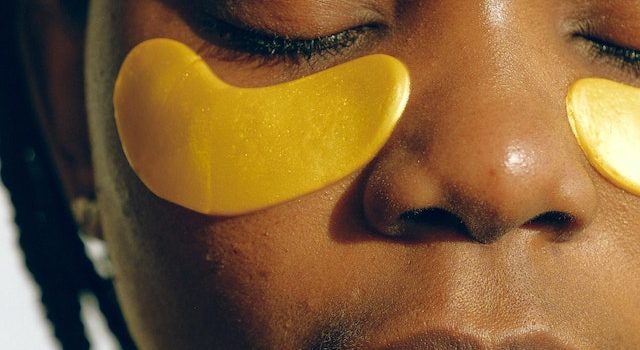
When it comes to beauty and fashion, Rihanna is undoubtedly a trendsetter and a source of inspiration for many. Known for her fearless style and boundary-pushing looks, Rihanna has become an icon in the industry. Recently, she has been making waves with her barefaced beauty look, proving that confidence is the ultimate accessory.

In a world saturated with perfectly edited photos and filters, Rihanna’s decision to embrace her natural beauty sends a powerful message. By going barefaced, she challenges societal expectations and encourages others to do the same. It’s a refreshing reminder that true beauty comes from within and that we should celebrate and embrace our unique features.

Rihanna’s barefaced beauty look is a testament to self-acceptance and self-love. It shows that confidence is not solely dependent on the amount of makeup we wear or how flawlessly we can conceal our imperfections. Instead, it’s about embracing our natural selves, flaws and all, and being comfortable in our own skin.

By showcasing her bare face, Rihanna normalizes the idea that makeup is a choice, not a requirement. She encourages individuals to explore their own relationship with beauty and makeup, reminding us that it’s okay to step away from societal norms and embrace our authentic selves. This act of self-expression and individuality resonates with many who are tired of feeling pressured to conform to a specific beauty standard.

Rihanna’s barefaced beauty look also emphasizes the importance of skincare. While makeup can enhance our features and boost our confidence, taking care of our skin is the foundation for a healthy and radiant complexion. Rihanna’s flawless skin serves as a reminder that investing in a skincare routine and prioritizing self-care can lead to long-term benefits and a natural glow.

Furthermore, Rihanna’s barefaced beauty look has a broader impact on the beauty industry as a whole. It challenges traditional beauty standards and encourages inclusivity. By showcasing her natural beauty, Rihanna sends a message that beauty is diverse and should be celebrated in all its forms. This empowers individuals who have often felt underrepresented or excluded by the beauty industry to embrace their unique beauty and feel seen and valued.

In a world that often pressures us to strive for perfection and adhere to unrealistic beauty standards, Rihanna’s barefaced beauty look serves as a reminder that confidence is not about conforming but about embracing our true selves. It encourages us to let go of the need for validation and to define our own standards of beauty. Rihanna’s fearless approach to beauty inspires us to step out of our comfort zones, embrace our individuality, and find confidence in our own reflection.

Ultimately, Rihanna’s barefaced beauty look teaches us that beauty is not limited to a specific aesthetic or a particular makeup routine. It’s about self-acceptance, self-love, and embracing our unique features. Rihanna’s confidence serves as a powerful reminder that when we embrace our authentic selves, we radiate a beauty that is unparalleled and truly inspiring. So let’s take a page from Rihanna’s book and celebrate our own barefaced beauty, one that shines from within.

Introduction:
Straightening wet hair may seem convenient, but experts strongly advise against it due to the potential risks and damage it can cause. In this article, we will delve into the reasons why professionals caution against straightening wet hair and provide valuable insights into the best practices for maintaining healthy, gorgeous locks.

1. Excessive heat damage and weakened hair:
One of the main concerns experts have regarding straightening wet hair is the increased risk of heat damage. Wet hair is more susceptible to heat-induced damage since the moisture in the strands can quickly turn into steam, causing the hair to become weak and brittle. Applying high heat to wet hair can lead to breakage, split ends, and overall hair damage. By waiting until your hair is completely dry before straightening, you minimize the chances of causing irreversible harm to your precious locks.

2. Uneven results and compromised styling:
Attempting to straighten wet hair often results in subpar and inconsistent outcomes. Wet hair is resistant to heat, making it challenging to achieve a smooth, straight look. The excess moisture interferes with the straightening process, causing the hair to revert back to its natural texture more quickly. As a result, you may experience unevenly straightened strands and a diminished overall styling effect. To ensure optimal results and a sleek finish, it is crucial to work with dry hair that is better receptive to heat styling.

3. Safety hazards and potential burns:
Straightening wet hair poses potential safety hazards, including the risk of burns. The moisture in wet hair can rapidly turn into steam when exposed to high heat, leading to sizzling sounds and potential burns to your scalp or skin. Additionally, the slippery nature of wet hair increases the likelihood of the straightening iron slipping or snagging, resulting in accidents or injuries. By prioritizing safety and waiting for your hair to dry completely, you can avoid these risks and create a secure environment for your styling routine.

4. Loss of moisture and essential oils:
Heat styling wet hair causes the moisture and natural oils present in the strands to evaporate rapidly, leading to dry, brittle hair. Straightening wet hair strips away the vital moisture and oils that help maintain the hair’s health, elasticity, and shine. Waiting until your hair is dry before using heat styling tools preserves the natural moisture balance and prevents excessive dehydration. It is essential to maintain the hair’s integrity and moisture levels to minimize frizz, brittleness, and other hair-related issues caused by moisture loss.

Conclusion:
Experts strongly caution against straightening wet hair due to the potential risks and damage it can inflict on your tresses. Excessive heat damage, weakened strands, uneven results, safety hazards, and moisture loss are among the key concerns associated with straightening wet hair. To ensure the health and vitality of your locks, it is best to wait until your hair is completely dry before subjecting it to heat styling tools. By doing so, you minimize the risk of hair damage, breakage, and compromised styling outcomes. Remember to prioritize safety by avoiding potential burns and accidents that can occur when attempting to straighten wet hair. Instead, maintain your hair’s moisture balance and overall health by embracing safe and effective styling practices. Ultimately, by following expert advice and respecting the well-being of your hair, you can achieve stunning, straight styles while keeping your locks healthy and beautiful.

Introduction:
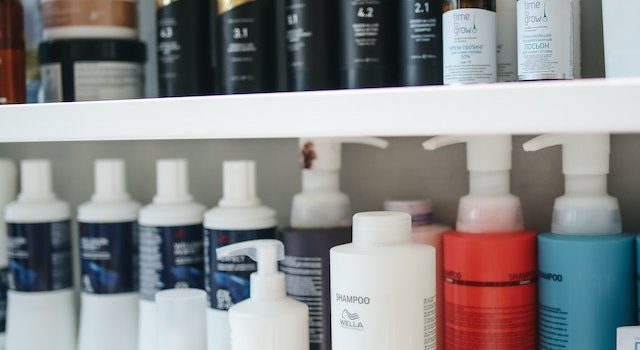
Shampoo and conditioner are essential components of our hair care routine, but many of us may not realize that these products can expire or lose their effectiveness over time. Using expired or past-their-prime hair care products can lead to lackluster results and potential damage to our hair. In this article, we’ll explore how to determine if your shampoo and conditioner are past their prime. By understanding the signs of product deterioration, you can ensure that you’re using hair care products that are still effective and beneficial for your hair.

Check the Expiration Date:
The first step in determining whether your shampoo and conditioner are still usable is to check their expiration dates. Most hair care products have a printed date on the packaging indicating when they should be discarded. If your products are past the expiration date, it’s a clear sign that they have surpassed their prime and may no longer provide optimal results.

Changes in Texture and Consistency:
Another indicator that your shampoo and conditioner are past their prime is a change in their texture and consistency. Over time, hair care products can degrade, resulting in a thickening or thinning of the formula. If your shampoo has become too thick or your conditioner has become excessively watery, it’s a sign that the product may have deteriorated and is no longer effective. Similarly, the appearance of clumps, separation, or an inconsistent texture can indicate that the product has expired or undergone changes that compromise its quality.

Unpleasant Odor:
Expired or deteriorated hair care products may develop an unpleasant odor. If you notice a foul or rancid smell coming from your shampoo or conditioner, it’s a clear indication that they have passed their prime. The change in scent can be attributed to the breakdown of ingredients, and using such products may lead to an unpleasant experience during your hair care routine.

Decreased Effectiveness:
When hair care products age or expire, their effectiveness tends to diminish. If you find that your shampoo and conditioner no longer provide the same results they used to, such as maintaining your hair’s moisture, managing frizz, or leaving your hair feeling clean and nourished, it may be time to replace them. As products age, their active ingredients may become less potent, making them less effective in addressing specific hair concerns.

Potential Hair and Scalp Issues:
Using expired or compromised hair care products can lead to potential issues with your hair and scalp. Products that have surpassed their prime may contain bacteria or mold, which can cause scalp irritation, itching, or even infections. Additionally, the diminished performance of such products may lead to dryness, excessive oiliness, or a lack of proper cleansing, which can impact the overall health and appearance of your hair.

Conclusion:
Keeping an eye on the quality and expiration of your shampoo and conditioner is crucial for maintaining healthy and beautiful hair. By checking expiration dates, monitoring changes in texture and consistency, being aware of unpleasant odors, and noting decreased effectiveness, you can ensure that your hair care routine continues to deliver the desired results.

Introduction:
Achieving youthful and radiant skin is a goal shared by many individuals, and while there are numerous high-end skincare products on the market, there is a low-cost secret that experts swear by: drugstore wrinkle creams. In this article, we will uncover the best drugstore wrinkle cream options recommended by skincare experts, allowing you to nourish and rejuvenate your skin without breaking the bank.

Why Choose Drugstore Wrinkle Creams?
Drugstore wrinkle creams have gained popularity for several reasons:

1. Affordability: Drugstore brands offer effective wrinkle creams at a fraction of the cost compared to high-end luxury brands. This makes them accessible to a wider range of individuals who are looking for quality skincare solutions on a budget.

2. Availability: Drugstore wrinkle creams can be easily found in local pharmacies, supermarkets, and online retailers, making them convenient and accessible for purchase.

3. Quality Formulations: Many drugstore brands have invested in research and development to create effective skincare formulations that target specific skin concerns, including wrinkles. These formulations often contain beneficial ingredients backed by scientific research.

4. Variety of Options: The drugstore market is filled with a wide array of wrinkle creams, offering choices suitable for different skin types, concerns, and budgets. This allows individuals to find a product that suits their specific needs.

Expert-Recommended Drugstore Wrinkle Creams:
1. Olay Regenerist Micro-Sculpting Cream: This drugstore favorite is praised for its rich formula that includes hyaluronic acid, amino-peptides, and niacinamide. These ingredients work together to hydrate the skin, boost collagen production, and reduce the appearance of fine lines and wrinkles.

2. CeraVe Skin Renewing Retinol Serum: Retinol is a renowned ingredient in the fight against wrinkles, and CeraVe’s affordable serum delivers the benefits of retinol without irritation. This serum also contains ceramides and hyaluronic acid to improve the skin’s moisture barrier and overall texture.

3. Neutrogena Rapid Wrinkle Repair Moisturizer: Neutrogena’s wrinkle repair moisturizer features a unique combination of retinol, hyaluronic acid, and glucose complex. This potent blend helps to reduce the appearance of wrinkles, improve skin texture, and leave the skin looking smoother and more youthful.

4. L’Oréal Paris Revitalift Triple Power Anti-Aging Moisturizer: This drugstore moisturizer is formulated with pro-retinol, hyaluronic acid, and vitamin C. It works to visibly reduce wrinkles, firm the skin, and improve overall skin tone and texture.

5. RoC Retinol Correxion Deep Wrinkle Night Cream: RoC’s retinol-based night cream is well-regarded for its potent formula that targets deep wrinkles and fine lines. It helps to improve skin elasticity and reduce the signs of aging over time.

Tips for Choosing and Using Drugstore Wrinkle Creams:
– Look for products that suit your specific skin type and concerns. Consider whether you have dry, oily, sensitive, or combination skin and choose a wrinkle cream accordingly.

– Read product labels and ingredient lists to identify key ingredients that are beneficial for wrinkle reduction, such as retinol, hyaluronic acid, peptides, and antioxidants.

– Patch test new products on a small area of your skin before applying them all over your face to check for any adverse reactions.

– Incorporate the wrinkle cream into your skincare routine by applying it to clean, dry skin. Follow the instructions provided by the manufacturer for optimal results.

– Consistency is key. Regular and long

-term use of the chosen wrinkle cream is essential to observe visible improvements in the appearance of wrinkles.

– Protect your skin from the sun by using broad-spectrum sunscreen daily, as UV rays can contribute to skin aging and the formation of wrinkles.

Conclusion:
Achieving ageless skin doesn’t have to come with a hefty price tag. Drugstore wrinkle creams offer affordable and effective solutions for addressing signs of aging. With expert recommendations like Olay Regenerist Micro-Sculpting Cream, CeraVe Skin Renewing Retinol Serum, Neutrogena Rapid Wrinkle Repair Moisturizer, L’Oréal Paris Revitalift Triple Power Anti-Aging Moisturizer, and RoC Retinol Correxion Deep Wrinkle Night Cream, you can incorporate quality products into your skincare routine without compromising your budget. Embrace the low-cost secret to ageless skin and enjoy the benefits of smoother, more youthful-looking skin.

Introduction:
Losing weight is a journey that many individuals embark on, seeking effective methods to shed those extra pounds. While diet and exercise remain the foundation of any successful weight loss plan, there is growing interest in finding additional aids that can accelerate the process. In recent times, a secret drink has gained attention for its alleged ability to assist users in their weight loss goals. Even doctors are surprised by its reported effectiveness. In this article, we will explore this mysterious drink and its potential impact on weight loss.

The Power of Apple Cider Vinegar:
The secret drink that has caught the attention of doctors and weight loss enthusiasts alike is none other than apple cider vinegar (ACV). ACV is made from fermented apples, and it contains acetic acid, which is believed to be the key behind its potential weight loss benefits. While scientific research on the subject is limited, several studies have shown promising results.

1. Appetite Suppression:
One of the reasons ACV is believed to aid weight loss is its potential to suppress appetite. Consuming ACV before a meal may lead to increased feelings of fullness, helping to reduce calorie intake. This can be particularly helpful for individuals struggling with overeating or snacking between meals, contributing to a calorie deficit and facilitating weight loss.

2. Blood Sugar Regulation:
ACV has also been found to have a positive impact on blood sugar levels. Studies suggest that consuming ACV before meals can help lower post-meal blood sugar spikes. By stabilizing blood sugar levels, ACV may prevent cravings and the subsequent consumption of excess calories. This can be beneficial for individuals with insulin resistance or type 2 diabetes, who often struggle with weight management.

3. Increased Fat Burning:
Research has indicated that ACV may have a positive impact on fat metabolism. Studies in animals have shown that acetic acid, the main component of ACV, can promote fat burning and reduce the storage of fat. While further human studies are needed, these preliminary findings suggest that ACV might have a potential role in supporting weight loss efforts.

Incorporating ACV into Your Routine:
To harness the potential benefits of ACV, it is essential to use it in a safe and effective manner. Here are a few tips to consider:

1. Dilute It: ACV is highly acidic and consuming it undiluted can damage tooth enamel and irritate the throat. Mix one to two tablespoons of ACV with a glass of water before consuming it.

2. Start Slowly: If you are new to ACV, start with a small amount, such as one teaspoon, and gradually increase the dosage as your body becomes accustomed to it.

3. Timing Matters: To potentially curb appetite and support blood sugar regulation, consider consuming ACV before meals. Aim for around 15-30 minutes before your main meals.

4. Be Consistent: Like any dietary change, consistency is key. Incorporate ACV into your routine regularly for a sustained period to assess its potential impact on your weight loss journey.

5. Consider Side Effects: While ACV is generally safe for most individuals, it is important to note that it may interact with certain medications or exacerbate certain conditions. Consult with a healthcare professional if you have any concerns or pre-existing health conditions.

Conclusion:
While apple cider vinegar has gained popularity for its potential weight loss benefits, it is important to approach it as a complementary tool to a balanced diet and regular exercise. Incorporating ACV into your routine may offer additional support for weight loss efforts, including appetite suppression, blood sugar regulation, and potentially increased fat burning. However, it is crucial to use ACV safely and consult with a healthcare professional if you have any underlying health concerns. Remember, sustainable weight loss is a holistic journey that requires a comprehensive approach.


As the summer season approaches, it’s time to revamp your skincare routine and embrace ingredients that will give you that coveted summer glow. With the right combination of skincare ingredients, you can achieve radiant and healthy-looking skin that shines throughout the sunny days. Here are seven essential skincare ingredients that you need to incorporate into your summer routine.

Hyaluronic Acid

Hydration is key during the summer months, and hyaluronic acid is a powerhouse ingredient for boosting skin moisture. It has the ability to hold up to 1000 times its weight in water, making it a superior hydrator. By including hyaluronic acid in your skincare routine, you can enjoy plump, dewy skin that stays hydrated even under the sun’s rays.

Vitamin C

Vitamin C is a must-have ingredient for achieving a bright and even complexion. It helps to even out skin tone, fade dark spots, and protect the skin against free radicals caused by sun exposure. Incorporating a vitamin C serum or moisturizer into your routine can give you that summer glow while providing antioxidant protection.

Aloe Vera

Aloe vera is a natural wonder that offers soothing and cooling properties, perfect for summer skincare. It can help calm sun-exposed skin, reduce redness, and provide relief from irritation or inflammation. Look for aloe vera gel or products that contain aloe vera to soothe and nourish your skin after a day in the sun.

Antioxidants

To protect your skin from the damaging effects of UV rays and environmental stressors, antioxidants are essential. Ingredients such as green tea extract, vitamin E, and resveratrol are potent antioxidants that neutralize free radicals and help maintain a youthful appearance. Look for skincare products that are rich in antioxidants to shield your skin and keep it healthy during the summer.

Niacinamide

Niacinamide, also known as vitamin B3, is a versatile ingredient that offers multiple benefits for your skin. It helps regulate sebum production, minimize the appearance of pores, and improve overall skin texture. Additionally, niacinamide has anti-inflammatory properties that can calm any summer-related breakouts or skin irritations.

Lightweight Moisturizers

During the summer, it’s important to switch to lightweight moisturizers that won’t weigh down your skin. Opt for oil-free or gel-based moisturizers that provide hydration without clogging pores. These lightweight formulations will keep your skin moisturized while allowing it to breathe in the summer heat.

Sunscreen

Last but certainly not least, sunscreen is an absolute must-have for maintaining healthy and protected skin in the summer. Choose a broad-spectrum sunscreen with an SPF of 30 or higher to shield your skin from harmful UV rays. Apply it generously to all exposed areas of your skin and reapply every two hours or more frequently if you’re swimming or sweating.

Conclusion

With these seven essential skincare ingredients in your summer routine, you can achieve a glowing complexion that radiates health and vitality. Hyaluronic acid, vitamin C, aloe vera, antioxidants, niacinamide, lightweight moisturizers, and sunscreen are the key players in keeping your skin hydrated, protected, and looking its best during the sunny season. Embrace these ingredients and get ready to glow all summer long.

The Covid-19 pandemic and the resulting reduction in human activity led to some surprising animal sightings in urban areas. With fewer people on the streets and less noise and traffic, wildlife had the opportunity to venture into urban environments that were typically bustling with human activity. Here are some of the surprising animals that were spotted in urban areas during the pandemic:

1. Coyotes: Coyotes, known for their adaptability, were observed in various urban areas during the pandemic. With reduced human presence, they felt more comfortable exploring neighborhoods, parks, and even city centers. Coyotes are highly adaptable and can thrive in a range of habitats, including urban environments.

2. Deer: Deer sightings increased in urban areas during the pandemic. With fewer cars on the roads and less human disturbance, deer had the opportunity to venture into suburban neighborhoods and green spaces. They were observed grazing in yards, parks, and even in city outskirts.

3. Foxes: Foxes, particularly red foxes, were seen in urban areas during the pandemic. These elusive creatures adapted to the quieter environment and explored neighborhoods, golf courses, and green spaces. Their stealthy nature allowed them to thrive even in close proximity to human dwellings.

4. Raccoons: Raccoons are highly adaptable and have a knack for urban environments. With reduced human activity, they were spotted in urban areas more frequently during the pandemic. Raccoons are known for their scavenging abilities, and they took advantage of the decreased presence of humans to explore new territories.

5. Birds: While birds are a common sight in urban areas, their presence became more noticeable during the pandemic. With reduced air and noise pollution, bird songs became more prominent, and their vibrant colors brightened up urban landscapes. People had more opportunities to observe and appreciate the diversity of bird species in their surroundings.

6. Small Mammals: Various small mammals, such as squirrels, rabbits, and opossums, were observed in urban areas during the pandemic. With fewer people frequenting parks and green spaces, these animals had more freedom to explore and forage in urban environments. They took advantage of the decreased human disturbance to expand their territories.

The increase in wildlife sightings during the pandemic served as a reminder of the resilience and adaptability of animals when human activity decreases. While it provided unique opportunities for people to witness and appreciate urban wildlife, it also highlighted the importance of preserving natural habitats and maintaining a balance between human development and wildlife conservation in urban areas.


Introduction:
Dark circles under the eyes can be a frustrating and stubborn issue for many people. Despite trying various remedies and treatments, finding an effective solution can feel like an endless search. However, a surprising ingredient from your kitchen pantry might hold the key to banishing those dark circles once and for all. Enter ghee, a traditional Indian clarified butter that is not only a staple in cooking but also offers incredible benefits for skincare. In this article, we will explore how ghee can revolutionize your skincare routine and help you bid farewell to those pesky dark circles.

Understanding Dark Circles
Dark circles under the eyes can be caused by various factors, including genetics, lack of sleep, stress, and aging. The skin around the eyes is delicate and prone to discoloration, resulting in the appearance of dark circles. While there are many creams and treatments available, exploring natural remedies can be an appealing option for those seeking a more holistic approach to skincare.

The Marvelous Properties of Ghee
Ghee, a form of clarified butter, has been used for centuries in Ayurveda, the traditional Indian system of medicine. It is rich in vitamins A, D, E, and K, as well as antioxidants and fatty acids. These nutrients work together to nourish and rejuvenate the skin, making ghee an excellent choice for addressing dark circles.

Moisturizing and Hydrating the Under-Eye Area
One of the key benefits of ghee is its moisturizing and hydrating properties. Applying a small amount of ghee under the eyes before bed can help replenish and lock in moisture, preventing the skin from drying out and reducing the appearance of dark circles. Ghee’s emollient nature also helps improve the elasticity of the skin, making it look plumper and smoother.

Lightening and Brightening Effects
Ghee contains natural compounds that possess skin-lightening properties. Regular application of ghee on the under-eye area can help fade dark circles and pigmentation over time. The vitamins and antioxidants in ghee work to promote cell regeneration and repair, resulting in a brighter and more even complexion.

Anti-inflammatory and Soothing Properties
Inflammation can exacerbate the appearance of dark circles, making them more noticeable. Ghee’s anti-inflammatory properties help calm and soothe the delicate skin under the eyes, reducing puffiness and redness. This can contribute to a fresher and more revitalized appearance.

Incorporating Ghee into Your Skincare Routine
To harness the benefits of ghee for dark circles, start by ensuring that the ghee you use is pure and of high quality. A small amount of ghee can be gently massaged into the under-eye area using clean fingertips or a soft cotton pad. Leave it on overnight and rinse off in the morning. Consistency is key, so incorporate this step into your nightly skincare routine for best results.

Conclusion:
If you have been struggling to find a solution for your dark circles, consider giving ghee a try. Its nourishing, moisturizing, and brightening properties make it a valuable addition to your skincare routine. Remember to choose high-quality ghee and be patient as you incorporate it into your regimen. With regular use, you may soon find yourself saying goodbye to those stubborn dark circles and embracing a refreshed and rejuvenated under-eye area.

The phenomenon of flies experiencing accelerated aging after witnessing death is an intriguing area of research that sheds light on the complex interplay between social interactions, stress, and aging processes. While the exact mechanisms are not fully understood, here are some possible explanations for why flies may exhibit accelerated aging after seeing death:

1. Social Stress Response: Witnessing death in flies can induce a social stress response. This response involves the activation of physiological and molecular pathways that regulate stress hormones, such as corticosteroids. Prolonged or intense stress can have detrimental effects on cellular and molecular processes, including accelerated aging. The stress response triggered by witnessing death may contribute to the observed aging-related changes in flies.

2. Disruption of Homeostasis: The presence of a dying conspecific (same species) might disrupt the social and environmental homeostasis of flies. This disruption can lead to physiological imbalances and dysregulation of various cellular processes involved in maintaining normal function and aging. The perturbations caused by witnessing death could contribute to an accelerated decline in health and an increase in mortality rates.

3. Transmission of Pathogens or Toxins: The act of dying or dead flies might release harmful substances, pathogens, or toxins into the environment. These substances can potentially impact the physiology and health of the remaining flies, leading to accelerated aging and increased mortality. The transmission of pathogens or exposure to toxins from dying individuals may trigger immune responses, oxidative stress, or other detrimental effects that contribute to accelerated aging.

4. Altered Nutritional Status: Witnessing death could also influence the nutritional status of flies. Flies may alter their feeding behavior or consumption patterns in response to the presence of dying conspecifics. Changes in nutrient intake and availability can impact various metabolic pathways and cellular processes related to aging. Disruptions in nutrient sensing or metabolism could contribute to accelerated aging phenotypes.

5. Evolutionary Adaptations: Accelerated aging after witnessing death may be an evolved response that benefits the survival and reproduction of the remaining flies. In nature, resources can be limited, and competition for survival and reproductive success is fierce. By accelerating aging and increasing mortality rates in the presence of death, surviving flies may optimize resource allocation, reduce competition, and enhance their chances of reproductive success.

It’s important to note that the mechanisms behind the accelerated aging observed in flies witnessing death are still an active area of research. Further studies are needed to unravel the precise molecular and cellular processes involved. Nevertheless, the findings provide valuable insights into the complex interplay between social interactions, stress, and aging, highlighting the intricate connections between social experiences and the biology of aging.

The recent surprising appearance of killer whales, also known as orcas, in New England’s marine ecosystem has captured the attention of researchers, marine enthusiasts, and the public. Here are some aspects to consider regarding this unexpected phenomenon:

1. Unusual Range Expansion: Killer whales are typically associated with colder waters, such as the Arctic and Antarctic regions, as well as other locations worldwide. Their appearance in New England’s marine ecosystem indicates a potential range expansion beyond their usual habitats. This suggests that environmental factors, such as changes in ocean temperatures or prey availability, may be influencing their distribution patterns.

2. Ecological Implications: The presence of killer whales in New England’s waters can have ecological implications. These top predators play a crucial role in maintaining the balance of marine ecosystems. Their interactions with prey species can affect the abundance and distribution of those species, leading to cascading effects throughout the food web. Understanding their ecological role in this region is essential for assessing the overall health and functioning of the ecosystem.

3. Prey Availability: The sudden appearance of killer whales in New England waters may be linked to shifts in prey availability. Killer whales have diverse diets, including fish, squid, and marine mammals. Changes in prey distribution or migratory patterns could be attracting these whales to the area. Studying the prey species and their abundance can provide insights into the factors driving the presence of killer whales.

4. Climate Change Influence: Climate change is altering marine ecosystems worldwide, affecting ocean temperatures, currents, and the distribution of marine species. The unexpected presence of killer whales in New England may be a consequence of these changing environmental conditions. Monitoring and studying these occurrences can help us better understand the impacts of climate change on marine ecosystems.

5. Behavioral Adaptations: Killer whales are highly intelligent and adaptable animals. Their ability to adjust their behavior and feeding strategies in response to changing environmental conditions could contribute to their appearance in new areas. By studying the behavior and adaptations of these whales, researchers can gain insights into their ability to cope with environmental changes.

6. Species Interactions: The presence of killer whales in New England waters can lead to interactions with other marine species. This can include interactions with prey species, competition with other predators, or even potential conflicts with human activities such as fishing. Understanding these interactions is crucial for managing and conserving marine resources effectively.

7. Opportunity for Research: The unexpected appearance of killer whales in New England’s marine ecosystem presents a unique research opportunity. Scientists can study the behavior, genetics, and population dynamics of these whales to gain a deeper understanding of their movements, habitat preferences, and potential impacts on the ecosystem. This research can contribute to ongoing conservation efforts and inform management strategies.

The surprising appearance of killer whales in New England’s marine ecosystem underscores the dynamic nature of marine environments and highlights the need for continued research and conservation efforts. By monitoring and studying these occurrences, scientists can enhance our understanding of these remarkable creatures and their ecological roles. Furthermore, it provides an opportunity to engage and educate the public about the importance of marine conservation and the interconnectedness of marine species and ecosystems.