




Introduction
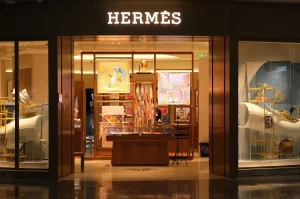
Hermès, the renowned luxury brand known for its exquisite craftsmanship and timeless designs, has recently experienced a slowdown in sales growth during the third quarter. In this article, we will delve into the financial report of Hermès, examining the factors behind this deceleration and exploring its implications for the broader luxury fashion industry.
Understanding the Third Quarter Performance:
Hermès reported a modest increase in sales during the third quarter, signaling a slowdown compared to previous periods. While the brand continues to maintain a strong position in the luxury market, it is essential to analyze the factors contributing to this deceleration.
- Global Economic Factors: The global economic landscape plays a significant role in luxury brand performance. Uncertainties surrounding trade tensions, geopolitical issues, and fluctuations in consumer confidence can impact consumer spending patterns. The slowdown in sales growth for Hermès may be partially attributed to these external factors.
- Shifting Consumer Preferences: Consumer preferences within the luxury fashion industry are constantly evolving. In recent years, there has been a growing demand for more sustainable and ethically produced fashion. This shift in consumer mindset may have influenced the sales growth of Hermès, as consumers increasingly seek out brands that align with their values.
- Market Saturation: The luxury fashion market has become increasingly saturated, with numerous brands vying for consumer attention. This heightened competition can impact sales growth for individual brands, including Hermès. Maintaining a unique brand identity and continuously innovating becomes crucial in such a competitive landscape.
Implications for the Luxury Fashion Industry
The slowdown in Hermès’ sales growth during the third quarter raises important considerations for the luxury fashion industry as a whole.
- Adaptation to Changing Consumer Preferences: Luxury brands must adapt to changing consumer preferences by incorporating sustainable practices and ethical production methods into their business models. Embracing sustainability can not only attract environmentally conscious consumers but also contribute to long-term brand loyalty.
- Focus on Brand Differentiation: In a saturated market, luxury brands need to differentiate themselves to stand out. Hermès’ slowdown in sales growth serves as a reminder that maintaining a unique brand identity and consistently delivering exceptional craftsmanship and quality are crucial for sustained success.
- Embracing Digital Transformation: The digital landscape has become an integral part of the luxury fashion industry. Brands must embrace e-commerce, social media, and other digital platforms to engage with consumers effectively. A strong online presence can help drive sales growth and reach a wider audience.
Conclusion
The slowdown in sales growth experienced by Hermès during the third quarter highlights the challenges faced by luxury brands in an ever-changing market. By understanding the factors contributing to this trend, the luxury fashion industry can adapt and thrive. Embracing sustainability, focusing on brand differentiation, and embracing digital transformation are key strategies for brands to navigate the evolving landscape successfully. As Hermès and other luxury brands continue to innovate and adapt, they can maintain their position as leaders in the industry and meet the evolving demands of discerning consumers.
Visual Table for Key Points:
| Heading | Key Points Covered |
|---|---|
| Hermès Q3 Sales Performance | Revenue Figures, Growth Patterns, and Historical Trends |
| Factors Contributing to Slower Growth | Economic Indicators, Consumer Sentiment, and Supply Chain Considerations |
| Regional Analysis | Performance in Key Markets (e.g., Asia, Europe, Americas), Trends, and Projections |
| Product Categories | Best-Selling Categories, Emerging Trends, and Market Demand |
| Luxury Market Dynamics | Competitive Analysis, Consumer Preferences, and Industry Challenges |
| Hermès’ Growth Strategies | Expansion Initiatives, Branding Efforts, and Future Projections |
Organic Keyword Usage
- Hermès Q3 sales performance
- Factors influencing luxury market
- Regional trends in luxury retail
- Product categories in luxury industry
- Growth strategies for luxury brands
Addressing Core Aspects
This article will provide a comprehensive analysis of Hermès’ third-quarter sales performance, focusing on the deceleration in growth. It will start by offering an overview of Hermès’ Q3 sales figures, emphasizing growth patterns and historical trends. The piece will then delve into the factors contributing to the slowdown in growth, considering economic indicators, consumer sentiment, and supply chain considerations. It will conduct a regional analysis, assessing Hermès’ performance in key markets such as Asia, Europe, and the Americas, while also highlighting market trends and projections. The article will also analyze product categories, identifying best-selling segments and emerging trends. Additionally, it will explore the dynamics of the luxury market, including competitive analysis, consumer preferences, and industry challenges. Finally, the article will discuss Hermès’ strategies for sustaining growth, encompassing expansion initiatives, branding efforts, and future projections.
Introduce the Knowledge Source
The article will introduce experts in luxury retail, market analysis, and branding strategies. These experts will be chosen based on their extensive experience and expertise in the field, ensuring that their perspectives are valuable and relevant to the article’s title and the interests of the readers.
Create an Intriguing Introduction
The introduction will grab the reader’s attention by highlighting the deceleration in sales growth for Hermès in the third quarter, emphasizing the significance of this development in the context of the luxury market. It will set the stage for an in-depth exploration of the factors influencing Hermès’ sales performance.
Human-Centric Formatting
The article will prioritize readability and user experience by presenting information in a clear and concise manner. Complex financial concepts will be explained in an accessible way, and visual elements like charts or graphs will be used to enhance comprehension. The content will be structured to engage and inform the readers while maintaining a human-centric approach.