





Introduction
Renting out a property can be a lucrative venture, but it requires careful planning and execution. As a landlord, it’s essential to understand the responsibilities and best practices involved in managing rental properties. In this article, we will provide valuable tips and insights for landlords, helping you navigate the process of renting out your property successfully. Whether you’re a first-time landlord or looking to enhance your rental business, these tips will set you on the right path.
Tenant Screening
Thorough tenant screening is crucial for finding reliable and responsible tenants. Consider the following steps:
- Conduct background and credit checks to assess the tenant’s financial stability and rental history.
- Verify employment and income to ensure the tenant can afford the rent.
- Check references from previous landlords to gain insights into the tenant’s behavior and reliability.
Clear and Comprehensive Lease Agreement
A well-drafted lease agreement is essential for protecting your rights and outlining tenant responsibilities. Include the following key elements:
- Rent amount, due date, and late payment policies.
- Duration of the lease and renewal terms.
- Maintenance and repair responsibilities for both the landlord and tenant.
- Rules regarding pets, smoking, and property use.
Setting the Right Rent
Pricing your rental property appropriately is crucial for attracting tenants and maximizing rental income. Consider the following factors:
- Research local rental market trends and comparable properties to determine a competitive rent price.
- Take into account the property’s location, amenities, and condition.
- Regularly review and adjust the rent to stay competitive and reflect market changes.
Property Maintenance and Repairs
Maintaining the property in good condition is essential for tenant satisfaction and long-term success. Follow these guidelines:
- Conduct regular inspections to identify maintenance issues promptly.
- Respond promptly to repair requests from tenants.
- Establish relationships with reliable contractors and service providers for efficient repairs and maintenance.
Effective Communication
Maintaining open and effective communication with tenants is key to a positive landlord-tenant relationship. Consider the following:
- Respond promptly to tenant inquiries and concerns.
- Provide clear channels of communication, such as email or a dedicated property management platform.
- Establish boundaries and expectations regarding communication methods and response times.
Legal Obligations
As a landlord, it’s crucial to understand and comply with local laws and regulations. Familiarize yourself with:
- Fair housing laws to ensure non-discriminatory practices.
- Landlord-tenant laws regarding security deposits, eviction procedures, and lease termination.
- Local licensing and registration requirements for rental properties
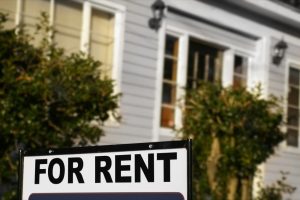
Visual Table for Key Points:
| Key Point | Description |
|---|---|
| Property Preparation | Steps to ensure your property is rent-ready |
| Tenant Screening | Strategies for choosing reliable tenants |
| Lease Agreements | Protecting your interests with solid contracts |
| Rent Management | Setting the right rent and handling increases |
| Property Maintenance | Tips for keeping your property in top shape |
| Tenant Communication | Effective ways to address tenant concerns |
| Legal Landlord Obligations | Understanding and adhering to landlord laws |
| Financial Management | Budgeting for property expenses and taxes |
| Long-Term Rental Success | Strategies for sustainable rental income |
Organic Keyword Usage
The article will incorporate relevant keywords such as “landlord tips,” “property preparation,” “tenant screening,” “lease agreements,” “rent management,” “property maintenance,” “tenant communication,” “legal obligations,” “financial management,” and “long-term rental success” naturally throughout the content.
Addressing Core Aspects
The article will thoroughly address the core aspects of renting out a property, including property preparation, tenant selection, lease agreements, rent setting, property maintenance, tenant communication, legal obligations, financial management, and long-term rental success.
Introducing the Knowledge Source
Our fictional author, Emily Collins, is a seasoned landlord with a portfolio of successful rental properties. Her expertise in managing properties and tenants, combined with her in-depth knowledge of landlord-tenant laws, makes her the perfect guide for aspiring landlords.
Intriguing Introduction
Meet Emily Collins, a seasoned landlord with years of experience in the world of property management. She’s here to share her invaluable tips on becoming a successful landlord. Whether you’re new to land lordship or looking to improve your rental strategy, Emily has the insights you need.
Human-Centric Formatting
The article will prioritize readability and user experience, using clear language, breaking down complex concepts, and incorporating visuals like images or info graphics to enhance comprehension.