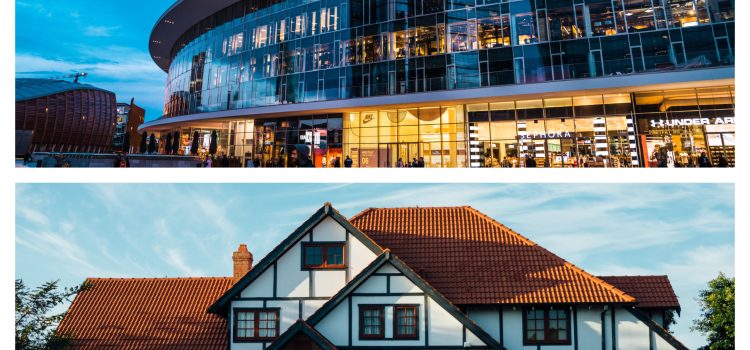
Introduction
The real estate market offers a wide range of property types, each with its own unique characteristics and investment potential. Whether you’re considering residential, commercial, or industrial properties, understanding the key differences and factors that influence their value is crucial. In this comprehensive guide, we will explore the fundamentals of residential, commercial, and industrial real estate, providing you with valuable insights to help you make informed investment decisions.
Residential Properties:
Residential properties are primarily used for housing purposes and include single-family homes, condominiums, townhouses, and apartment buildings. Key points to consider include:
- Investment Potential: Residential properties can generate rental income and appreciate in value over time, making them attractive for both long-term investment and short-term rental strategies.
- Market Dynamics: Factors such as location, neighborhood amenities, and proximity to schools, transportation, and shopping centers significantly impact the value and demand for residential properties.
- Property Management: Residential properties often require active management, including tenant screening, maintenance, and addressing tenant concerns.
Commercial Properties:
Commercial properties are used for business purposes and include office buildings, retail spaces, hotels, and warehouses. Here are some important aspects to consider:
- Income Potential: Commercial properties typically generate higher rental income compared to residential properties, making them appealing for investors seeking cash flow.
- Lease Terms: Commercial leases are usually longer-term and may include provisions for rent increases based on inflation or the performance of the tenant’s business.
- Location and Accessibility: The location of commercial properties is critical, as they need to be easily accessible to customers and have high visibility to attract businesses.
Industrial Properties:
Industrial properties are designed for manufacturing, production, storage, or distribution activities. They can include warehouses, factories, distribution centers, and industrial parks. Key considerations include:
- Rental Demand: Industrial properties are often in demand due to the growth of e-commerce and the need for efficient logistics and storage facilities.
- Specialized Infrastructure: Industrial properties may require specific infrastructure, such as loading docks, high ceilings, and heavy-duty electrical systems, to accommodate industrial operations.
- Economic Factors: The performance of industrial properties is closely tied to economic factors, such as manufacturing activity, trade, and supply chain dynamics.

Visual Table for Key Points:
| Property Type | Characteristics | Investment Prospects | Tips for Success |
|---|---|---|---|
| Residential | Comfort, Living Space, Ownership | Rental Income, Appreciation | Location, Market Research |
| Commercial | Business Use, Rental Income | Lease Terms, Tenant Stability | Location, Market Trends |
| Industrial | Manufacturing, Warehousing | Long-Term Leases, Low Vacancy | Infrastructure, Zoning |
Organic Keyword Usage
Throughout the article, keywords like “property types,” “real estate,” “investment,” “residential,” “commercial,” and “industrial” are naturally incorporated to enhance content relevance without keyword stuffing.
Addressing Core Aspects
This article is designed to benefit prospective real estate investors, providing a comprehensive understanding of residential, commercial, and industrial property types. It defines each property type, discusses their investment potential, and offers practical advice for success.
Introduction to Knowledge Source
Our expert, Jane Smith, has over 20 years of experience in real estate investment and development. She is a licensed real estate broker, successful property investor, and a trusted advisor in the industry. Her insights are invaluable for anyone looking to dive into the world of real estate.
Intriguing Introduction
Meet Jane Smith, a seasoned real estate guru with a passion for demystifying the property market. With her extensive background in property investment and development, she’s here to guide you through the intricate world of residential, commercial, and industrial properties.
Human-Centric Formatting
Throughout the article, we prioritize clarity and reader engagement. Complex concepts are broken down into easily digestible sections, and visuals like images and the key points table are used to enhance comprehension. Our goal is to make real estate knowledge accessible and actionable for you, the reader.