




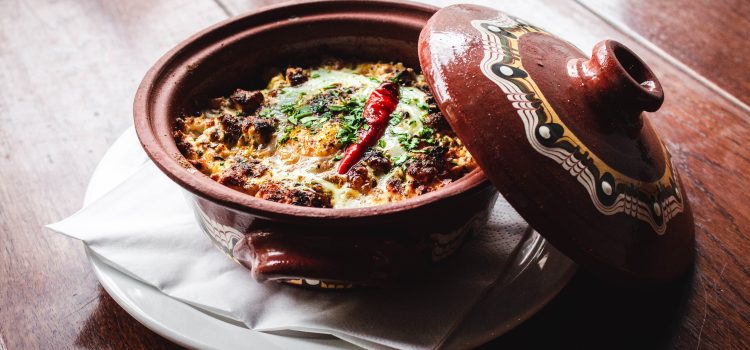
Food is an integral part of culture, and exploring local and traditional foods is a great way to experience the unique flavors and traditions of different regions and countries. From street food to fine dining, the world is full of delicious and diverse culinary creations waiting to be discovered. In this article, we will explore the concept of edible escapades and the ways in which we can explore the world through local and traditional foods.
One of the key elements of edible escapades is the willingness to try new and unfamiliar foods. Many traditional and local foods may seem strange or unusual to those who are not familiar with them, but they often offer a unique and delicious culinary experience.
For example, in Japan, natto, a fermented soybean dish, is a traditional breakfast food that may seem strange to those who are not familiar with it. However, it is a nutritious and flavorful dish that is beloved by many Japanese people.
Similarly, in Mexico, chapulines, or roasted grasshoppers, are a popular snack food that may seem unusual to those who are not familiar with them. However, they are a crunchy and flavorful snack that is enjoyed by many Mexicans.
By being open to trying new and unfamiliar foods, we can expand our culinary horizons and experience the unique flavors and traditions of different regions and countries.
Another important element of edible escapades is the exploration of local and traditional food markets. Local food markets are a great way to experience the unique flavors and ingredients of a region, as well as to interact with local vendors and learn about their culinary traditions.
For example, in Thailand, the Chatuchak Weekend Market in Bangkok is a popular destination for foodies, offering a wide variety of street food and local delicacies.
Similarly, in Italy, the Mercato Centrale in Florence is a bustling food market that offers a wide variety of local and traditional foods, from fresh pasta to artisanal cheeses.
By exploring local food markets, we can immerse ourselves in the culinary traditions of a region and experience the unique flavors and ingredients that make it special.
Another important element of edible escapades is the exploration of local and traditional restaurants. Local and traditional restaurants are a great way to experience the authentic flavors and techniques of a region, as well as to interact with local chefs and learn about their culinary traditions.
For example, in France, a visit to a traditional bistro or brasserie is a must for any foodie, offering classic French dishes such as escargots, coq au vin, and bouillabaisse.
Similarly, in Japan, a visit to a traditional sushi restaurant is a must for any foodie, offering fresh and expertly prepared sushi and sashimi.
By exploring local and traditional restaurants, we can experience the authentic flavors and techniques of a region and learn about the culinary traditions that make it unique.
Another important element of edible escapades is the exploration of local and traditional cooking classes. Local and traditional cooking classes are a great way to learn about the ingredients, techniques, and traditions of a region, as well as to interact with local chefs and learn from their expertise.
For example, in Thailand, cooking classes are a popular activity for tourists, offering the opportunity to learn how to prepare classic Thai dishes such as pad Thai, green curry, and tom yum soup.
Similarly, in Italy, cooking classes are a popular activity for foodies, offering the opportunity to learn how to prepare classic Italian dishes such as pasta carbonara, risotto, and tiramisu.
By exploring local and traditional cooking classes, we can learn about the ingredients, techniques, and traditions of a region and gain a deeper appreciation for its culinary culture.
In conclusion, edible escapades are a great way to explore the world through local and traditional foods. By being open to trying new and unfamiliar foods, exploring local food markets and restaurants, and taking cooking classes, we can immerse ourselves in the culinary traditions of different regions and countries and experience the unique flavors and ingredients that make them special.
And with the abundance of resources available, from food blogs and travel guides to cooking classes and food tours, there are endless opportunities to explore and experiment with edible escapades.
So next time you’re planning a trip, consider the culinary traditions of the region and how you can explore them through local and traditional foods. Your taste buds and your sense of adventure will thank you.