Introduction

Pain is an unpleasant sensation that we all experience at some point in our lives. Whether it’s a headache, a backache, or a chronic condition, pain can be debilitating and affect our quality of life. Traditionally, pain management has focused on using medication to alleviate pain. However, there is growing evidence that taking a holistic approach to pain management can be more effective in treating pain and improving overall health.

What is Holistic Pain Management?

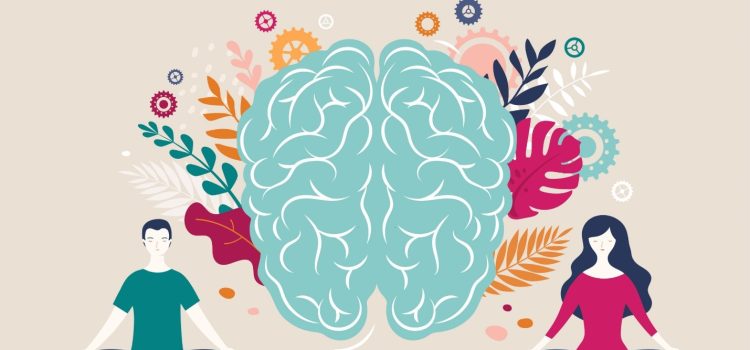
Holistic pain management involves treating the whole person rather than just the physical symptoms of pain. This approach considers the emotional, spiritual, and social aspects of a person’s life, as well as their physical health. It recognizes that pain is not just a physical sensation, but also an emotional and mental one. Holistic pain management aims to help patients manage their pain in a way that promotes healing and improves their overall well-being.

Holistic pain management combines multiple modalities to support healing:

  • Mind-Body Techniques: Teach the brain to calm pain signals.
  • Nutrition and Supplements: Reduce inflammation and nourish tissues.
  • Physical Therapies: Improve strength, flexibility, and posture.
  • Lifestyle Changes: Support sleep, stress relief, and emotional balance.

By weaving these elements together, holistic care empowers you to take an active role in your healing journey.

The Benefits of Holistic Pain Management

There are several benefits to taking a holistic approach to pain management. Firstly, it can reduce the need for medication. Many pain medications come with side effects and can be addictive. By incorporating non-pharmacological approaches, such as massage, acupuncture, and meditation, patients can manage their pain without relying solely on medication. Secondly, a holistic approach can improve a patient’s mental and emotional health. Chronic pain can be emotionally exhausting and can lead to depression and anxiety. By addressing the emotional and mental aspects of pain, patients can learn to cope with their pain and improve their overall quality of life. Finally, a holistic approach to pain management can improve a patient’s physical health. By adopting healthy lifestyle choices, such as eating a healthy diet and exercising regularly, patients can reduce inflammation, strengthen their muscles, and improve their overall physical health.

Holistic Approaches to Pain Management

There are several holistic approaches to pain management that patients can try. These include:

  • Acupuncture: A traditional Chinese medicine that involves inserting thin needles into the skin at specific points on the body to stimulate the body’s natural healing process.
  • Massage therapy: A hands-on technique that involves applying pressure to the muscles and soft tissues of the body to reduce tension and promote relaxation.
  • Meditation: A practice that involves focusing the mind on a specific object or activity to achieve a state of calm and relaxation.
  • Yoga: A physical practice that combines stretching, breathing, and meditation to improve physical and mental well-being.
  • Diet and Nutrition: Eating a healthy diet that is rich in fruits, vegetables, whole grains, and lean protein can reduce inflammation and improve overall health.

Mind-Body Techniques for Pain Relief

Stress and negative emotions can heighten pain perception. These practices help shift your nervous system toward relaxation:

1. Deep Breathing and Meditation

  • Spend 5–10 minutes daily inhaling to a count of four, holding for two, and exhaling for six.
  • Guided meditations focus attention away from pain and cultivate calm.

2. Progressive Muscle Relaxation

  • Tense each muscle group for 5 seconds, then release slowly.
  • Helps identify areas of tension and promotes full-body relaxation.

3. Visualization

  • Imagine pain as a color or shape and see it fading away.
  • Use guided scripts or apps to deepen the experience.

4. Mindfulness

  • Practice staying present with non-judgmental awareness.
  • Notice pain sensations without labeling them “good” or “bad.”

These techniques can lower stress hormones, decrease muscle tension, and boost endorphin release—your body’s natural painkillers.

Nutrition and Herbal Support

What you eat influences inflammation and nerve health. A healing diet emphasizes:

1. Anti-Inflammatory Foods

  • Leafy Greens: Spinach, kale, and collard greens rich in antioxidants.
  • Berries: Strawberries, blueberries, and raspberries for vitamin C and anthocyanins.
  • Fatty Fish: Salmon, mackerel, and sardines high in omega-3 fatty acids.
  • Whole Grains: Brown rice, quinoa, and oats for steady energy and fiber.

2. Anti-Inflammatory Spices

  • Turmeric: Contains curcumin, which inhibits inflammatory pathways.
  • Ginger: Eases muscle aches and joint pain.
  • Cayenne: Contains capsaicin, blocking pain signals at nerve endings.

3. Supplements (Discuss with a Provider)

  • Fish Oil: For joint and nerve support.
  • Magnesium: Eases muscle cramps and promotes restful sleep.
  • Vitamin D: Supports bone health and immune balance.
  • Boswellia and Willow Bark: Traditional herbs used for arthritis pain.

A balanced, colorful plate and careful supplementation can reduce chronic inflammation and support tissue repair.

Physical Therapies

vital care physical therapy
Image by: Yandex.com

Keeping your body moving builds strength, improves circulation, and prevents stiffness:

1. Gentle Stretching

  • Daily stretches for hips, shoulders, and spine maintain range of motion.
  • Hold each stretch for 20–30 seconds without bouncing.

2. Yoga and Tai Chi

  • Low-impact movements that combine strength, balance, and mindfulness.
  • Poses and forms adapt easily for back, knee, or arthritis pain.

3. Massage Therapy

  • Reduces muscle tension and boosts circulation.
  • Foam rollers or tennis balls offer self-massage options at home.

4. Heat and Cold Therapy

  • Heat pads relax tight muscles; cold packs reduce swelling.
  • Alternate 10–15 minutes each to manage acute flare-ups.

5. Physical Therapy

  • Tailored exercise plans from a licensed therapist address specific pain patterns.
  • Professional guidance ensures safe, effective movement.

Regular physical activity—even short walks—helps maintain mobility and eases chronic discomfort.

Lifestyle Modifications

Small daily habits can have a big impact on how you experience pain:

1. Quality Sleep

  • Aim for 7–9 hours per night—poor sleep worsens pain sensitivity.
  • Establish a wind-down routine: dim lights, avoid screens, and choose calming music.

2. Stress Management

  • Schedule “stress breaks” with brief walks or deep breaths.
  • Practice saying “no” to avoid overcommitment and ensure personal time.

3. Ergonomic Adjustments

  • Use supportive chairs and pillows at work and home.
  • Align your spine and avoid prolonged slouching or repetitive strain.

4. Social Support

  • Talk with friends, family, or support groups about your experiences.
  • Shared meals, gentle outings, or online forums foster connection and reduce isolation.

By nurturing both body and mind, these lifestyle tweaks build resilience against daily chronic pain triggers.

Creating Your Holistic Pain Management Plan

  • Assess Your Needs: Identify pain triggers, stressors, and lifestyle gaps.
  • Set Realistic Goals: Choose one or two strategies to start—such as 5 minutes of meditation daily or adding leafy greens to meals.
  • Build a Routine: Tie new habits to existing ones (e.g., stretch after brushing teeth).
  • Track Progress: Keep a simple journal of pain levels, activities, and mood.
  • Adjust Over Time: Gradually introduce new techniques as old ones take root.

Consistency matters more than perfection. Small, steady steps lead to lasting relief and empowerment.

When to Seek Professional Help

Holistic care is powerful but not a replacement for medical advice. Consult a healthcare provider if you experience:

  • Severe or Worsening Pain: Sudden increase in pain intensity or new symptoms.
  • Red Flags: Fever, numbness, weakness, or unexplained weight loss.
  • Medication Management: Need guidance on safe use or tapering of pain medications.
  • Complex Needs: Chronic conditions like fibromyalgia, neuropathy, or autoimmune disorders.

A team approach—combining medical, physical, and holistic care—offers the most comprehensive path to relief.

Conclusion

In conclusion, pain is a complex issue that requires a holistic approach to management. By addressing the emotional, spiritual, and social aspects of pain, as well as the physical, patients can manage their pain in a way that promotes healing and improves their overall well-being. With the growing evidence that taking a holistic approach to pain management can be more effective, it’s time for us to start thinking about pain management differently.

In a world where technology is evolving at a breakneck pace, the intersection of innovation and empathy is creating profound changes in the way we approach healthcare. One of the most promising advancements in recent years is the use of Virtual Reality (VR) in pain management. This technology, once primarily associated with gaming and entertainment, is now offering a new dimension of hope and healing for those grappling with chronic pain.

Understanding Pain and the Need for Change

Pain, both acute and chronic, is a complex and multifaceted experience that affects millions of people worldwide. It can be debilitating, affecting every aspect of a person’s life, from their physical abilities to their emotional well-being. Traditional pain management techniques, such as medication and physical therapy, often fall short, leaving many individuals in a relentless cycle of discomfort and despair.

The opioid crisis has further underscored the urgent need for alternative pain management strategies. Over-reliance on prescription painkillers has led to widespread addiction and devastating consequences for individuals and communities alike. In this context, the emergence of Virtual Reality as a tool for pain management is not just timely but essential.

Virtual Reality: A New Frontier in Pain Management

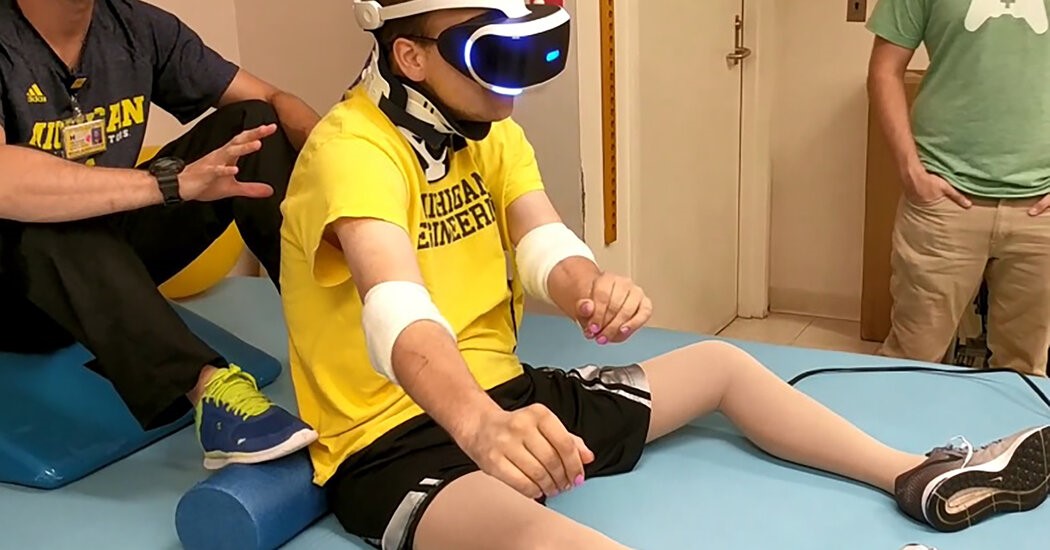
Virtual Reality offers a unique and immersive experience that can transport individuals away from their immediate reality. By donning a VR headset, users can find themselves in a tranquil forest, a serene beach, or even a whimsical fantasy world. This immersive distraction is not merely an escape but a powerful tool for reducing pain perception.

Studies have shown that VR can significantly decrease pain levels by engaging the brain in a way that traditional methods cannot. The immersive nature of VR captures the user’s attention, diverting it away from the pain signals that the brain is processing. This phenomenon, known as “distraction therapy,” is particularly effective because it taps into the brain’s ability to prioritize sensory inputs.

The Science Behind VR and Pain Relief

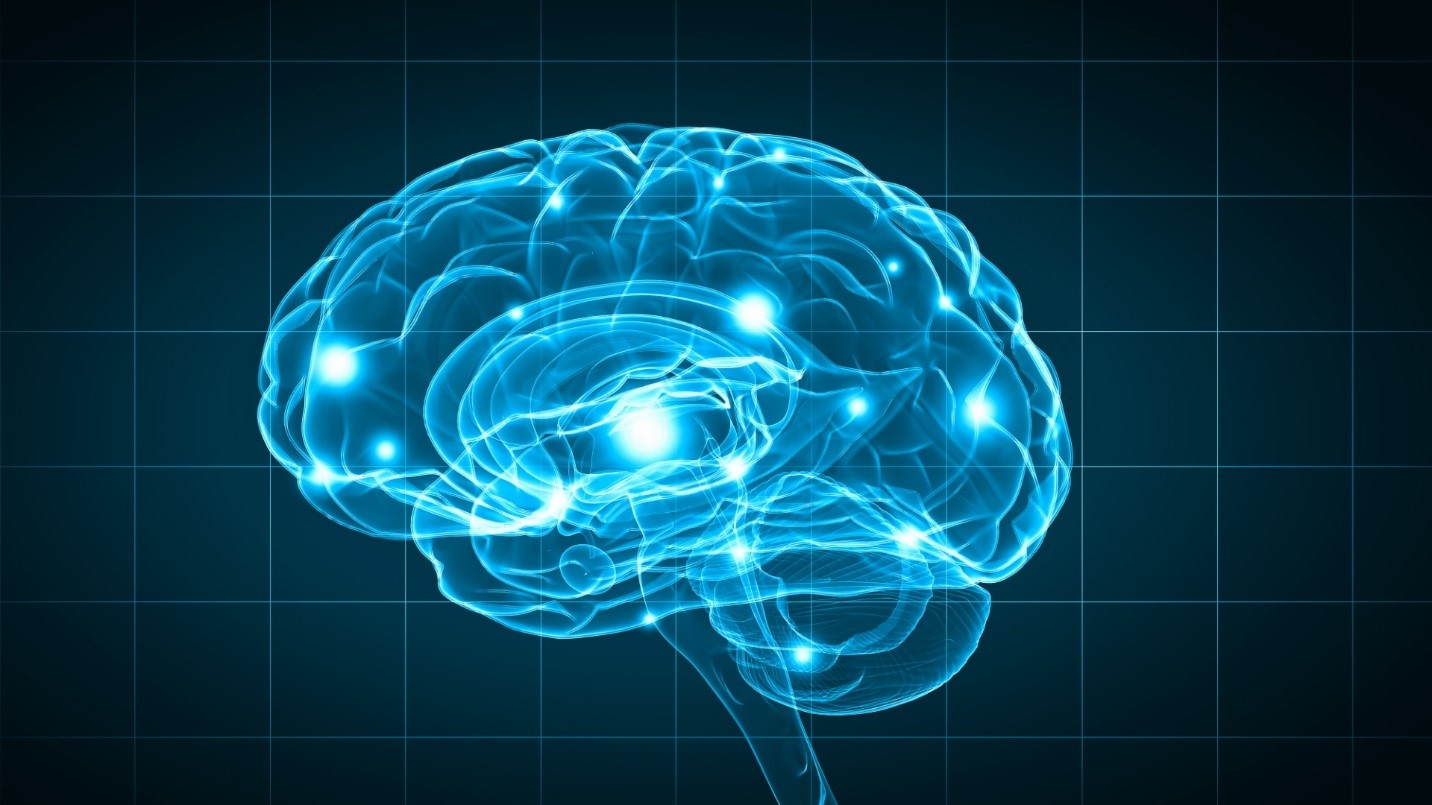
The efficacy of VR in pain management is rooted in neuroscience. When a person experiences pain, the brain is flooded with signals from the affected area. VR works by altering the user’s perception of these signals. By engaging multiple senses—sight, sound, and sometimes even touch—VR creates an alternate reality that competes with the pain signals for the brain’s attention.

Research has shown that VR can lead to a reduction in pain intensity, sometimes by as much as 50%. This is particularly beneficial for patients undergoing painful medical procedures or those dealing with chronic conditions such as fibromyalgia or arthritis. Moreover, VR has been found to be effective in reducing anxiety and stress, which often accompany chronic pain.

Empathy in Virtual Reality: A Personalized Approach

One of the most compelling aspects of using Virtual Reality in pain management is its potential for personalization. Unlike one-size-fits-all solutions, VR experiences can be tailored to the individual’s preferences and needs. This personalized approach is not only more effective but also more empathetic.

For instance, a patient who finds solace in nature can be transported to a lush, calming forest, complete with the sounds of rustling leaves and chirping birds. Another individual might find comfort in a guided meditation session set in a serene Zen garden. By catering to personal preferences, VR not only alleviates pain but also provides an emotional refuge.

The Rise of Virtual Reality in Pain Management
Picture by: Yandex.com

Real-Life Applications and Success Stories

The use of Virtual Reality in pain management is not just theoretical; it is being applied in real-world settings with remarkable success. Hospitals and clinics around the world are integrating VR into their pain management programs, offering patients an innovative and compassionate alternative.

For example, burn patients, who often endure excruciating pain during wound care, have reported significant pain reduction when using VR during treatment. Similarly, cancer patients undergoing chemotherapy have found relief from both physical pain and the anxiety associated with their treatment through VR experiences.

One particularly touching story is that of a young girl named Emma, who was diagnosed with a rare form of bone cancer. The intense pain from her treatments made it difficult for her to find any semblance of normalcy. However, through the use of VR, Emma was able to escape to a world where she could swim with dolphins and explore underwater caves. This not only provided her with much-needed pain relief but also brought joy and excitement back into her life.

Challenges and the Path Forward

While the potential of Virtual Reality in pain management is immense, it is not without challenges. The cost of VR technology can be prohibitive, and there is a need for further research to fully understand its long-term effects and efficacy. Additionally, not all patients may be receptive to VR, and some may experience motion sickness or discomfort.

Despite these challenges, the future of VR in pain management is promising. As technology continues to advance, the cost of VR equipment is expected to decrease, making it more accessible to a wider range of patients. Moreover, ongoing research will likely yield new insights into optimizing VR experiences for pain relief.

Conclusion: A Compassionate Future

Incorporating Virtual Reality into pain management represents a compassionate and forward-thinking approach to healthcare. It acknowledges the complexity of pain and the need for innovative solutions that go beyond traditional methods. By offering an immersive escape and personalized experiences, VR not only addresses physical pain but also nurtures the emotional well-being of patients.

As we look to the future, the integration of empathy and technology in healthcare will continue to redefine what is possible. Virtual Reality is not just changing pain management techniques; it is transforming lives, offering hope, and reminding us of the power of human ingenuity and compassion. In a world where pain is often an inescapable reality, VR provides a glimpse into a world where healing and relief are within reach.

The Growth of Mind-Body Practices: Integrating Health and Wellness

In recent years, the world has witnessed a significant surge in the popularity and acceptance of mind-body practices as a means of promoting health and wellness. From yoga studios sprouting up in urban neighborhoods to meditation apps becoming a staple on smartphones, these practices have become an integral part of many people’s daily routines. This article explores the growth of mind-body practices, their benefits, and how they are being integrated into modern health and wellness paradigms.

The Evolution of Mind-Body Practices

Mind-body practices have ancient roots, with many originating in Eastern traditions thousands of years ago. Yoga, for example, dates back over 5,000 years to ancient India, while Tai Chi has its origins in ancient China. These practices were historically used for spiritual growth, physical health, and mental clarity.

In the West, the adoption of mind-body practices began to gain traction in the 20th century. Pioneers like Swami Vivekananda and Paramahansa Yogananda introduced yoga to the Western world, while Jon Kabat-Zinn’s development of Mindfulness-Based Stress Reduction (MBSR) in the late 1970s brought meditation into mainstream medical practice.

The Science Behind Mind-Body Practices

One of the key factors contributing to the growth of mind-body practices is the mounting scientific evidence supporting their benefits. Numerous studies have demonstrated the positive effects of practices such as yoga, meditation, and Tai Chi on both physical and mental health.

Physical Health Benefits

  1. Improved Flexibility and Strength: Yoga, in particular, is known for enhancing flexibility and building muscle strength. Regular practice can lead to improved posture and reduced risk of injury.
  2. Cardiovascular Health: Mind-body practices can positively impact heart health. For instance, yoga has been shown to lower blood pressure and reduce cholesterol levels, while Tai Chi can improve heart function and circulation.
  3. Pain Management: Chronic pain conditions, such as arthritis and lower back pain, can be alleviated through practices like yoga and meditation. These practices help reduce inflammation and promote relaxation, which can lead to pain relief.

Mental Health Benefits

  1. Stress Reduction: One of the most well-documented benefits of mind-body practices is their ability to reduce stress. Meditation, in particular, has been shown to lower cortisol levels, the hormone associated with stress.
  2. Enhanced Mental Clarity: Regular practice of meditation and mindfulness can improve focus, attention, and cognitive function. This is particularly beneficial in today’s fast-paced world, where distractions are abundant.
  3. Emotional Well-being: Mind-body practices can help regulate emotions and improve mood. Studies have shown that meditation can reduce symptoms of anxiety and depression, while yoga can increase feelings of well-being and happiness.
The Growth of Mind-Body Practices Integrating Health and Wellness
Picture by: Yandex

Integration into Modern Healthcare

The integration of mind-body practices into modern healthcare is a growing trend, driven by both patient demand and clinical evidence. Many healthcare providers now recognize the value of these practices and incorporate them into treatment plans for various conditions.

Complementary and Integrative Medicine

Mind-body practices are often categorized under complementary and integrative medicine (CIM). This approach combines conventional medical treatments with alternative therapies to provide a holistic approach to health and wellness. Hospitals and clinics are increasingly offering yoga classes, meditation sessions, and Tai Chi programs as part of their services.

Workplace Wellness Programs

Employers are also recognizing the benefits of mind-body practices for employee health and productivity. Workplace wellness programs often include yoga and meditation sessions to help reduce stress and improve overall well-being. These programs can lead to increased job satisfaction, reduced absenteeism, and improved performance.

Digital Health and Wellness

The rise of digital health platforms has made mind-body practices more accessible than ever. Meditation apps like Headspace and Calm offer guided sessions that users can access anytime, anywhere. Online yoga classes and virtual wellness retreats have also become popular, allowing individuals to practice from the comfort of their homes.

https://www.drlaurajansons.com/wp-content/uploads/2019/09/home-green.jpg

Picture by: Yandex.com

The Future of Mind-Body Practices

As the popularity of mind-body practices continues to grow, their integration into mainstream health and wellness is likely to expand further. Several trends are emerging that could shape the future of these practices.

Personalized Wellness

Advancements in technology and data analytics are paving the way for personalized wellness programs. By analyzing individual health data, practitioners can tailor mind-body practices to meet specific needs and goals. This personalized approach can enhance the effectiveness of these practices and provide more targeted benefits.

Interdisciplinary Research

Ongoing research into the mechanisms and benefits of mind-body practices is essential for their continued integration into healthcare. Interdisciplinary studies that combine insights from neuroscience, psychology, and medicine can provide a deeper understanding of how these practices impact the mind and body.

Cultural Integration

As mind-body practices become more mainstream, there is a growing emphasis on cultural sensitivity and inclusivity. Recognizing and respecting the cultural origins of these practices is important for their ethical integration into modern wellness paradigms. This includes acknowledging the contributions of indigenous traditions and ensuring that practices are not appropriated or commercialized in ways that strip them of their cultural significance.

Conclusion

The growth of mind-body practices represents a significant shift in how we approach health and wellness. With their roots in ancient traditions and their benefits supported by modern science, these practices offer a holistic approach to well-being that addresses both physical and mental health. As they become more integrated into healthcare, workplaces, and digital platforms, mind-body practices have the potential to transform our approach to health and wellness, providing a path to a more balanced and fulfilling life.