The trial of former President Donald Trump has captured the nation’s attention as it delves into allegations of a hush money scheme aimed at silencing stories potentially damaging to his 2016 campaign. As the proceedings unfold, Michael Cohen, Trump’s former lawyer turned star witness for the prosecution, has taken center stage, linking Trump directly to the alleged illegal activities. Here’s a comprehensive overview of the trial’s key events and testimonies. Michael Cohen’s testimony has been pivotal in linking Trump to all aspects of the hush money scheme.
Key Testimonies:
Cohen’s assertion that Trump promised to reimburse him for payments made to silence stories detrimental to his campaign.
Details of behind-the-scenes efforts to conceal the alleged misconduct.
Introduction of evidence including text messages, audio recordings, and notes to support the prosecution’s claims.
Significance:
Cohen’s testimony provides a firsthand account of Trump’s involvement in the scheme, painting a compelling narrative for the prosecution.
Trial Highlights and Witness Testimonies
Image by : Yandex
Stormy Daniels and David Pecker:
Dramatic testimonies from witnesses such as Stormy Daniels and former National Enquirer publisher David Pecker add intrigue to the trial.
Length of Trial:
The trial has entered its 17th day, with extensive examination of evidence and witness testimonies.
Trump’s Plea:
Despite facing 34 felony counts, Trump maintains his plea of not guilty, setting the stage for a contentious legal battle.
Cohen’s Testimony Unveiled
Minimal Work in 2017:
Cohen revealed that his work for Trump in 2017 was minimal, attributing the surge in activity to developments surrounding Stormy Daniels’ public claims.
Oval Office Discussion:
Cohen recounted a conversation with Trump in the Oval Office regarding the repayment plan for hush money, implicating Trump directly in the scheme.
False Invoices:
Cohen admitted to fabricating invoices for services rendered, shedding light on the deceptive nature of the financial transactions.
Cross-Examination Dynamics:
Prosecutors seek to mitigate potential damage from Cohen’s past lies while portraying him as a loyalist acting on Trump’s behalf.
Political Intrigue Surrounding the Trial
Republican Support:
House Speaker Mike Johnson and other GOP allies publicly denounce the trial as a sham, aligning themselves with Trump’s defense.
Gag Order Challenges:
Trump’s restricted ability to comment on the trial prompts strategic maneuvers, including bringing Republican supporters to speak on his behalf.
Legal and Political Ramifications:
The trial marks the first-ever criminal prosecution of a former U.S. president, raising broader questions about accountability and the rule of law.
Conclusion:
As the trial of Donald Trump unfolds, the testimony of key witnesses. Like Michael Cohen sheds light on the intricacies of the alleged hush money scheme. Against a backdrop of political polarization and legal scrutiny, the proceedings carry significant. And implications for the future of presidential accountability and the integrity of the U.S. judicial system.
Hi everyone, I’m Dr. Olivia Lewis, a physician with over 10 years of experience in infectious diseases. With news of a new COVID variant called FLiRT emerging, I know many of you might be feeling confused or anxious. This article aims to shed light on FLiRT, separate fact from fiction, and empower you with clear information.
Unveiling FLiRT: The New COVID-19 Variant
The ever-evolving world of COVID-19 has presented us with a new challenge: the FLiRT variant. While the headlines might raise concerns, understanding this variant can help us navigate this situation effectively.
Decoding the Name: What Does FLiRT Stand For?
The name FLiRT is actually an acronym, standing for “Fast-spreading Low virulence Respiratory Tract infection.” This reflects the key characteristics scientists have observed so far. FLiRT seems to be more transmissible than previous variants, but fortunately, it also appears to cause milder illness in most cases.
Picture by: Google Gemini
FLiRT’s Family Tree: How Does It Relate to Other Variants?
FLiRT is a descendant of the JN.1 variant, which has been dominant in recent months. Through mutations in its genetic code, FLiRT has developed some unique features. These mutations seem to allow the virus to evade some immune defenses, potentially making it more transmissible to people who have already been infected or vaccinated.
Unveiling the Mystery: Symptoms of the FLiRT Variant
If you suspect you might have FLiRT, the good news is that the symptoms are often similar to those of other COVID-19 variants. These can include:
Fever
Cough
Fatigue
Shortness of breath
Muscle aches
Headache
Loss of taste or smell
However, it’s important to remember that these symptoms can also be caused by other respiratory illnesses. If you’re experiencing any of these symptoms, it’s crucial to get tested for COVID-19 to receive an accurate diagnosis.
Assessing the Threat: How Severe is FLiRT?
While FLiRT appears to be generally milder than some previous variants, it’s important not to be complacent. COVID-19 can still cause serious illness, especially in vulnerable populations like older adults and those with underlying health conditions. Additionally, the possibility of long-term complications from even mild COVID-19 cases remains a concern.
Picture by: Google Gemini
Protecting Yourself: Essential Measures Against FLiRT
The good news is that the measures that have been effective against other COVID-19 variants are still our best defense against FLiRT. Here’s what you can do to protect yourself:
Get vaccinated and boosted: Vaccination remains the most effective way to prevent serious illness, hospitalization, and death from COVID-19. If you haven’t gotten your shots yet, or haven’t received your booster dose, now is the time!
Wear a well-fitting mask: Masks are an essential tool for reducing transmission. Opt for a well-fitting N95 or KN95 mask for optimal protection.
Maintain social distancing: When possible, try to keep a safe distance (at least 6 feet) from others, especially indoors or in crowded settings.
Practice good hand hygiene: Wash your hands frequently with soap and water for at least 20 seconds, or use an alcohol-based hand sanitizer.
Stay home when sick: If you’re feeling unwell, isolate yourself at home to avoid spreading the virus to others.
When to Seek Medical Attention: Don’t Ignore These Signs
While FLiRT often presents with mild symptoms, there are situations that warrant immediate medical attention. If you experience any of the following, seek medical care right away:
Difficulty breathing or shortness of breath at rest
Persistent high fever (over 103°F for more than 3 days)
Chest pain or pressure
Confusion or inability to think clearly
New or worsening symptoms that concern you
The Road Ahead: Staying Informed About FLiRT
The scientific community is actively studying FLiRT to understand its behavior and potential impact. Reliable sources such as the Centers for Disease Control and Prevention (CDC) and the World Health Organization (WHO) will continue to provide updates. Remember to rely on credible sources for information and stay vigilant in protecting yourself and your loved ones.
By following these steps and staying informed, we can effectively manage the risks associated with the new variant of Covid-19.
Hi everyone! I’m Amelia, your friendly neighborhood interior design enthusiast. For years, I’ve helped people transform their living spaces, and one of my favorite tricks is using the power of pastels! Often seen as too sweet or outdated, pastels can actually create a surprisingly sophisticated and serene atmosphere. And the best part? They’re incredibly budget-friendly! So, whether you’re a renter on a tight budget or a homeowner looking for a refresh, keep reading to discover how pastels can elevate your space from bland to grand!
Introducing the Power of Pastels
Pastels are soft, muted tones of traditional colors like pink, blue, green, and yellow. Often associated with nurseries and springtime, pastels can surprisingly create a calming and sophisticated ambiance in any room. The key lies in choosing the right shades and incorporating them strategically.
The beauty of pastels is that they can be surprisingly versatile and affordable. Here are some budget-friendly tips to unleash their magic in your home:
Paint an Accent Wall: A splash of pastel paint on a single wall can completely transform a room. It adds depth, defines a space, and creates a focal point – all for a fraction of the cost of a full room repaint.
Revamp Furniture: Give old furniture a new lease on life with a fresh coat of pastel paint. This is a great way to update tired pieces and add a pop of color!
Embrace Throw Pillows and Blankets: Textiles are an easy and affordable way to introduce pastels into your space. Play with different textures and patterns to add visual interest and create a layered look.
Think Thrifty with Artwork: Lush greenery or pastel-toned prints can add a touch of personality without breaking the bank. Consider visiting thrift stores or flea markets for unique finds.
Picture by: Google Gemini
The Psychology of Color: Why Pastels Work Wonders
According to [Interior Designer Sarah Smith, founder of Design by Sarah [source needed]], pastels have a profound psychological impact on our well-being. Soft, muted tones evoke feelings of calmness, peace, and relaxation. This is particularly beneficial for creating a serene sanctuary in bedrooms and living rooms.
A Pastel Palette for Every Room
The beauty of pastels is their versatility. Here are some inspiring ideas for incorporating pastels into different rooms:
Living Room: Opt for soft blues or greens to create a calming and inviting space.
Bedroom: Lavender or light pink hues can promote relaxation and restful sleep.
Bathroom: Mint green or pale yellow can create a spa-like atmosphere.
Kitchen: Light peach or sky blue can add a touch of sunshine and cheerfulness.
Picture by: Google Gemini
Transform Your Space with Pastel Accents
Don’t be afraid to experiment with pastel accents! Here are some ideas:
Pastel Vases or Decorative Objects: Add a touch of whimsy and elegance with pastel-colored vases, sculptures, or picture frames.
Pastel Area Rugs: Ground a space with a beautiful pastel area rug. This is a great way to define a seating area or add a pop of color to a neutral room.
Pastel Table Linens and Napkins: Elevate your dining experience with pastel tablecloths and napkins.
Pastel Power: The Final Touches
For the finishing touch, consider adding metallic accents or crisp white elements to balance the softness of pastels. Fresh flowers in pastel shades can also add a touch of life and fragrance.
Conclusion: Embrace the Pastel Paradise
Pastels offer a budget-friendly and versatile way to transform your space. From calming living rooms to serene bedrooms, pastels can create a stylish and inviting haven. So, embrace the pastel power and unleash your inner interior design guru!
Remember, there are no hard and fast rules! Pastels can be as bold or subtle as you like. Don’t be afraid to experiment and find what works best for your unique style and space. With a little creativity, you can transform your home into a pastel paradise that reflects your personality and brings you joy.
Actor Steve Buscemi, known for his roles in acclaimed productions such as Boardwalk Empire and Reservoir Dogs, was subjected to a random act of violence in New York City, according to his publicist. The incident occurred in Manhattan, where Buscemi suffered injuries to his face, necessitating hospital treatment. His publicist described the attack as a “random act of violence,” highlighting the unexpected and unprovoked nature of the assault. The assault left Buscemi with bruises and a bloody eye, requiring medical attention.
Police Response
Upon receiving an emergency call reporting the assault, police promptly responded to the scene. The incident involved a 66-year-old man, later identified as Buscemi, being punched in the face. Authorities released a description of the suspect, along with a photograph, in efforts to aid in apprehending the assailant.
Description of Suspect
The suspect, as described by witnesses and depicted in the released photograph, was wearing a dark-colored baseball cap, a blue T-shirt, black trousers, and white trainers. Additionally, the suspect was reported to be carrying a bag at the time of the assault.
Time and Location
The attack occurred in Midtown Manhattan around 11:48 ET (15:48 GMT) on May 8th, near 369 Third Ave. Buscemi was subsequently transported to Bellevue Hospital to receive treatment for bruising, swelling, and bleeding to his left eye.
Buscemi’s Condition and Statement
Despite the ordeal, Buscemi’s publicist assured the public that he was “OK” and expressed gratitude for the outpouring of well wishes. However, the statement also conveyed Buscemi’s sadness regarding the incident and its occurrence while simply walking the streets of New York City.
Eyewitness Account
According to a witness account published in the New York Post, the assault on Buscemi appeared sudden, with the actor seemingly tripping and falling backward during the altercation before quickly getting up and fleeing the scene.
Context of City Violence
The incident involving Buscemi adds to a series of reported random attacks in the city. Earlier, in March, the deployment of hundreds of National Guard troops to the subway was prompted by a string of high-profile violent incidents. Despite these occurrences, official crime statistics indicate an overall decrease in crime rates in New York City.
Buscemi’s Background
Steve Buscemi, a native New Yorker, has a diverse career spanning acting, directing, and even firefighting. His notable portrayal of a corrupt Atlantic City politician in the HBO series Boardwalk Empire earned him critical acclaim, including a Golden Globe award.
In conclusion, the incident involving Steve Buscemi serves as a reminder of the unpredictability of urban environments and the need for continued efforts to address and prevent random acts of violence.
Colorado Mesa University’s men’s basketball team has clinched one of the coveted eight spots in the South Central Regional of the NCAA Division II Men’s Basketball Tournament. With an impressive regular-season record and a strong showing in the RMAC Conference Tournament, the Mavericks have secured the No. 5 seed in the region, marking their third-highest seeding among RMAC teams this season.
First-Round Matchup Against Angelo State
In the first round, Colorado Mesa will face off against Angelo State, the No. 4 seed in the regional tournament. Angelo State, finishing as both the regular-season and tournament runners-up in the Lone Star Conference, presents a formidable challenge for the Mavericks.
The game between Colorado Mesa and Angelo State is scheduled for Saturday night at 6:30 p.m. MT (7:30 p.m. local) at the First United Bank Center on the campus of top seed West Texas A&M in Canyon, Texas. This matchup will be the final of four first-round matches to take place on that court on Saturday.
Selection Seeds and Bracket Overview
West Texas A&M secured the top seed after clinching both the Lone Star Tournament title and regular-season title. The surprise selection of West Texas A&M as the top seed came after Fort Lewis’ strong performance, securing the No. 2 seed in the regional.
Colorado School of Mines made a significant leap to the No. 3 seed after defeating Fort Lewis in the final days of the regular season and performing well in the RMAC Tournament. The Mavericks dropped to the No. 5 seed after a loss in the tournament, while Angelo State maintained its position at No. 4.
The bracket places Colorado Mesa alongside three Lone Star schools, promising challenging matchups ahead. If the Mavericks advance past Angelo State, they will face the winner of the preceding game between West Texas A&M and Texas A&M-Kingsville.
Defensive Battle on the Horizon
The first-round matchup between Colorado Mesa and Angelo State features a showdown between the RMAC and Lone Star Defensive Players of the Year. Colorado Mesa’s Mac Riniker and Angelo State’s Steve Webb lead their respective conferences in steals and are key defensive assets for their teams.
Both Colorado Mesa and Angelo State boast impressive defensive statistics, holding opponents to an average of 65.5 points per game. This defensive prowess places both teams among the top 26 in Division II scoring defense.
Key Players and Team Statistics
Image by : Yandex
Colorado Mesa enters the tournament with a strong lineup and impressive team statistics. Guard Blaise Threatt leads the team in scoring, averaging 19.2 points per game, while Trevor Baskin adds 14 points and 7.3 rebounds per game. The Mavericks excel in forcing turnovers and capitalizing on offensive opportunities, ranking in the top 20 nationally in both field goal percentage and three-point percentage.
Déjà vu?
The 2023 NCAA Tournament presents a familiar scenario for Colorado Mesa, reminiscent of their historic run in the previous season. With similarities in their regular-season performance and tournament seeding, the Mavericks aim to replicate or surpass last year’s success.
NCAA Tournament History
Colorado Mesa’s qualification for the Division II NCAATournament marks the ninth time in program history. While the Mavericks have had limited success on the national stage, recent tournament victories have bolstered their resume.
About Angelo State
Angelo State presents a formidable opponent for Colorado Mesa, boasting a strong record and talented roster. Led by Kevon Godwin and Steve Webb, Angelo State features a balanced scoring attack and solid defensive presence.
Conference Supremacy
While the Lone Star Conference boasts two top-seeded teams in the regional tournament, the RMAC has garnered attention for its competitive conference tournament. With all four RMAC teams nationally ranked, the conference showcases its depth and talent.
Coach’s Corner
Head Coach Mike DeGeorge has guided Colorado Mesa to unprecedented success since his arrival, leading the team to multiple conference championships and NCAA Tournament appearances. His leadership and coaching acumen will be instrumental as the Mavericks strive for further postseason success.
As Colorado Mesa prepares to embark on its NCAA Tournament journey, fans eagerly anticipate thrilling matchups and the opportunity for the Mavericks to showcase their talent on the national stage.
With a combination of defensive prowess, offensive efficiency, and a talented roster, Colorado Mesa University enters the NCAA Division II Men’s Basketball Tournament poised to make a deep run. As the Mavericks gear up to face Angelo State in the first round, anticipation and excitement are palpable among players, coaches, and fans alike.
Looking Ahead
As the tournament unfolds, all eyes will be on Colorado Mesa as they strive to surpass their previous achievements and etch their names in the annals of college basketball history. With determination, skill, and the support of their loyal fan base, the Mavericks are ready to seize the opportunity and make their mark on the national stage.
Conclusion
Colorado Mesa University’s men’s basketball team has earned its place among the elite in NCAA Division II basketball. With a rich history, a talented roster, and a proven track record of success, the Mavericks are primed for a memorable postseason journey. As they embark on the NCAA Tournament, the Mavericks carry the hopes and dreams of their fans, poised to compete with grit, determination, and a relentless pursuit of victory.
Hi there! I’m Sarah, a certified mediator with over 10 years of experience helping families navigate conflict and rediscover peace. I’ve witnessed firsthand the transformative power of mediation in fostering understanding and strengthening family bonds. In this article, I’ll guide you through the benefits of mediation, how it works, and how it can empower your family to thrive.
Understanding Family Conflict
Family is the foundation on which we build our lives, but even the strongest foundations can experience cracks. Disagreements about finances, chores, child-rearing, or extended family dynamics are common occurrences. While conflict is inevitable, it’s how we navigate it that truly matters. Unresolved conflict can lead to emotional strain, communication breakdowns, and a fractured family environment.
The Benefits of Mediation for Families
Mediation offers a structured and guided approach to conflict resolution. Here’s how it empowers families:
Improved Communication: A neutral mediator facilitates open dialogue, fostering active listening and respectful expression.
Reduced Emotional Tension: Mediation creates a safe space to discuss concerns without escalating emotions.
Collaborative Solutions: Families work together to reach mutually agreeable solutions that address everyone’s needs.
Empowerment: The process strengthens family ties and cultivates problem-solving skills for future challenges.
Develops active listening skills and respectful dialogue.
Reduced Emotional Tension
Creates a safe space for calm and constructive communication.
Collaborative Solutions
Empowers families to develop solutions that work for everyone.
Strengthened Family Bonds
Fosters empathy and understanding, building stronger relationships.
Cost-Effective
Often less expensive than lengthy court battles.
How Does Family Mediation Work?
Family mediation is a voluntary process where a neutral third party (the mediator) guides the family towards a mutually agreeable resolution. Here’s a simplified breakdown:
Intake Session: The mediator meets with the family to understand the conflict and set ground rules.
Joint Sessions: The mediator facilitates open communication, allowing each family member to express their perspectives.
Brainstorming Solutions: The family, with the mediator’s guidance, explores potential solutions and their implications.
Reaching an Agreement: The mediator assists the family in reaching a mutually agreeable solution documented in a formal agreement.
What to Expect During Mediation
Mediation is a flexible process tailored to each family’s needs. However, you can generally expect:
A Safe and Confidential Space: The mediator ensures a safe space where everyone feels comfortable sharing their perspectives.
Neutral Guidance: The mediator remains impartial, guiding the conversation without taking sides.
Focus on Solutions: The emphasis is on finding solutions that work for everyone, not on assigning blame.
Is Mediation Right for Your Family?
Mediation is a valuable tool for families facing:
Communication breakdowns
Disagreements about child-rearing
Financial concerns
Extended family dynamics
However, it may not be suitable for situations involving violence, abuse, or power imbalances. Consider discussing your unique situation with a qualified mediator to determine if it’s the right approach for your family.
Building a More Peaceful Future: Tips for Ongoing Communication
Even after mediation, open communication is key to maintaining family harmony. Here are some tips:
Schedule regular family meetings for open discussion.
Practice active listening and validate each other’s feelings.
Focus on “I” statements to communicate your needs clearly.
Be open to compromise and acknowledge different perspectives.
By embracing these practices, you can build a foundation for ongoing communication and lasting peace within your family.
Remember, you’re not alone!Mediation can be a powerful tool in navigating family conflict and restoring harmony. If you’re looking for a more peaceful future, consider exploring mediation with a qualified professional.
Hi there! I’m Sarah, a licensed realtor with over 15 years of experience helping families navigate the exciting (and sometimes stressful) world of buying and selling homes. Today, we’re diving into a topic that often leaves homeowners scratching their heads: pre-sale renovations. Should you invest in sprucing up your place before listing it, or is it an unnecessary hassle? Let’s explore both sides of the coin and help you decide what’s best for your situation.
Picture by: Google Gemini
Renovating for Resale: A Balancing Act
The decision to renovate before selling comes down to a careful cost-benefit analysis. While some updates can significantly boost your asking price and attract more buyers, others might not offer the same return on investment.
Understanding Your Market:
The first step is to understand the current market trends in your area. Are homes selling quickly “as-is,” or are buyers expecting move-in ready properties? Consulting a local realtor can provide valuable insights into what upgrades are most desired by potential buyers.
Picture by: Google Gemini
Making Smart Upgrades:
Here’s a table summarizing some popular pre-sale renovations and their potential impact:
Renovation
Potential Impact
Fresh Paint (Neutral Colors)
Increases appeal, makes rooms feel larger (+).
Modern Kitchen Updates (Cabinets, Appliances)
Significant ROI, especially in high-demand areas (+ + +).
Upgraded Bathroom Fixtures
Enhances appeal, especially for master bathrooms (+ +).
May not recoup costs, may not appeal to all buyers (+/-).
Remember, it’s all about creating a positive first impression. Buyers often form an opinion about a home within the first few minutes of a showing. By making strategic updates that enhance curb appeal, functionality, and overall aesthetics, you can increase your chances of a quick and profitable sale.
Financial Considerations:
Renovations cost money, so it’s crucial to factor in the potential return on investment (ROI). Consider these questions:
How much can I realistically afford to spend on updates?
Will the renovations significantly increase my asking price?
How quickly do I need to sell?
Sometimes, minor cosmetic changes like decluttering and staging can make a big difference without breaking the bank.
Picture by: Google Gemini
The Inconvenience Factor:
Let’s be honest, renovations can be disruptive. You’ll likely have to deal with dust, noise, and the inconvenience of living in a construction zone. If you have a tight timeline or a low tolerance for disruption, weigh the potential inconvenience against the benefits before diving headfirst into a major renovation project.
The Final Verdict: It Depends!
Ultimately, the decision of whether or not to renovate before selling is a personal one. By carefully considering the market trends, potential returns on investment, and your own financial situation, you can make an informed choice that maximizes your chances of a successful sale.
Remember, a great realtor can be your partner in navigating the pre-sale process. We can help you determine the best course of action based on your specific circumstances and goals.
So, is pre-sale prepping an investment or an inconvenience? It all depends on how you approach it!
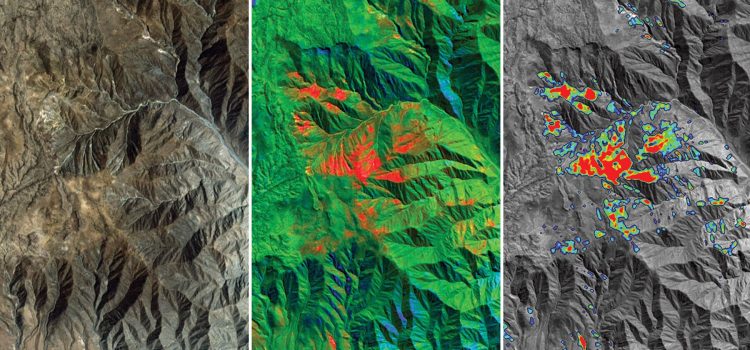
In the vast field of Earth sciences, one discipline stands out for its profound ability to unveil the secrets of our planet: geophysics. At its core, geophysics is the study of the Earth’s physical properties and processes using a combination of physics, mathematics, and computational methods. It plays a pivotal role in understanding various phenomena, from the movement of tectonic plates to the composition of the Earth’s interior.
What is Geophysics?
Geophysics encompasses a diverse array of sub-disciplines, each focusing on different aspects of the Earth. It involves the exploration of the Earth’s structure, composition, and dynamics, employing techniques ranging from seismic imaging to magnetic and gravitational surveys.
Importance of Geophysics in Earth Sciences
The insights gained from geophysical studies are indispensable for addressing critical challenges such as natural resource exploration, environmental monitoring, and hazard mitigation. By deciphering the complex interplay of geological forces, geophysicists contribute to our understanding of Earth’s past, present, and future.
History of Geophysics
Image by: Yandex
The roots of geophysics trace back to ancient civilizations, where early astronomers and philosophers pondered the nature of the Earth and its place in the cosmos. Over the centuries, advancements in mathematics and technology propelled the field forward, leading to groundbreaking discoveries and innovations.
Early Developments
Ancient civilizations, the Greeks and Chinese, made significant contributions to early geophysical knowledge through observations of celestial phenomena and seismic activity. it wasn’t until the 20th century that geophysics emerged distinct scientific discipline.
Major Milestones
The 20th century witnessed a surge in geophysical exploration, driven by technological advancements such as seismographs, gravimeters, and magnetometers. Milestones include the development of plate tectonics theory, the mapping of Earth’s magnetic field, and the advent of satellite-based remote sensing techniques.
Methods and Techniques in Geophysics
Geophysicists employ a wide range of methods and techniques to probe the Earth’s interior and surface processes. These methods utilize various physical principles to gather data and infer subsurface structures.
Seismology
Seismology, the study of seismic waves generated by earthquakes and other sources, provides valuable insights into the Earth’s internal structure and seismic activity. By analyzing the propagation of seismic waves, geophysicists can map subsurface features such as fault lines, magma chambers, and rock layers.
Gravity and Magnetic Methods
Gravity and magnetic surveys measure variations in gravitational and magnetic fields to delineate subsurface structures and geological features. These methods are particularly useful for mapping the distribution of density and magnetization within the Earth’s crust.
Electrical and Electromagnetic Methods
Image by : Yandex
Electrical and electromagneticsurveys involve sending electrical currents or electromagnetic waves into the ground and measuring their response. Variations in electrical conductivity and electromagnetic properties can indicate the presence of minerals, groundwater, or hydrocarbon reservoirs.
The versatility of geophysical techniques makes them indispensable tools in various fields of study and industry sectors.
Oil and Gas Exploration
Geophysics plays a crucial role in locating underground oil and gas reservoirs by identifying structural traps and delineating reservoir boundaries. Seismic imaging and electromagnetic surveys are commonly used to image subsurface geology and assess resource potential.
Mineral Exploration
In mineral exploration, geophysical methods help identify ore deposits by detecting anomalies in physical properties such as density, magnetism, and conductivity. Geophysical surveys can cover large areas cost-effectively, guiding exploration efforts and reducing the risk of exploration failure.
Environmental Studies
Geophysical techniques widely used in environmental studies to assess groundwater resources, monitor pollution, and characterize subsurface geology. Geophysicists contribute to environmental remediation efforts by mapping contaminated sites and monitoring the migration of pollutants.
Archaeology
In archaeology, geophysics aids in non-invasive mapping of ancient structures and buried artifacts. Ground-penetrating radar, magnetometry, and electrical resistivity imaging commonly used to survey archaeological sites and uncover hidden features beneath the surface.
Understanding Earth’s Interior
Perhaps most fundamentally, geophysics provides insights into the composition and dynamics of Earth’s interior, including the structure of the mantle, core, and lithosphere. By studying seismic waves and other geophysical signals, scientists can infer the properties of materials at depths inaccessible to direct observation.
Challenges and Limitations
Despite its many successes, geophysics faces several challenges and limitations that can hinder the accuracy and reliability of its findings.
Interpretation Challenges
Interpreting geophysical data often requires sophisticated mathematical models and computational techniques, which may introduce uncertainties and ambiguities. Geophysicists must carefully validate their interpretations and account for factors such as data resolution, noise, and geological complexity.
Environmental Constraints
Some environments, such as urban areas or regions with dense vegetation, pose challenges for geophysical surveys due to limited access and signal interference. Developing methods for conducting surveys in challenging environments is an ongoing area of research in geophysics.
Technological Limitations
Despite advances in instrumentation and data processing, geophysical methods have inherent limitations in resolution, depth penetration, and spatial coverage. Continued innovation is needed to overcome these limitations and push the boundaries of exploration.
Future Prospects of Geophysics
Looking ahead, geophysics is poised for further advancements driven by rapid technological development and interdisciplinary collaboration.
Technological Advancements
Emerging technologies such as distributed sensor networks, advanced imaging algorithms, and machine learning hold promise for enhancing the resolution and accuracy of geophysical surveys. These innovations will enable geophysicists to explore deeper and with greater precision than ever before.
Exploration of Other Planets
Geophysical techniques developed for Earth exploration are increasingly adapted for planetary exploration missions. Geophysicists are involved in studying the internal structure and geological processes of other planets and moons, shedding light on their evolution and potential for habitability.
Climate Change Studies
Image by : Yandex
Geophysical methods play a crucial role in monitoring and understanding the impacts of climate change on Earth’s systems. By studying changes in the cryosphere, biosphere, and atmosphere, geophysicists contribute valuable data for climate models and mitigation strategies.
Conclusion
In conclusion, geophysics serves as a gateway to unraveling the mysteries of our , from its dynamic surface processes to the depths of its core. Through a combination of innovative methods, interdisciplinary collaboration, and sheer curiosity, geophysicists continue to push the boundaries of knowledge and pave the way for a deeper understanding of Earth and beyond.
Unique FAQs
Is geophysics only applicable to Earth studies?
Geophysics primarily focuses on Earth studies, but its principles and techniques can applied to other planetary bodies as well.
How do geophysicists distinguish between different types of seismic waves?
Seismic waves exhibit different behaviors based on their propagation speed and mode of transmission, allowing geophysicists to differentiate between primary (P-waves) and secondary (S-waves) waves, among others.
What role does geophysics play in disaster risk reduction?
Geophysics helps identify potential hazards such as earthquakes, volcanic eruptions, and landslides, enabling communities to prepare for and mitigate the impacts of natural disasters.
Can geophysical methods detect underground water sources?
Yes, geophysical surveys can detect variations in subsurface properties associated with aquifers and groundwater reservoirs, aiding in the exploration and management of water resources.
How geophysical data integrated with other Earth sciences?
Geophysical data often integrated with geological, geochemical, and geospatial data to provide a comprehensive understanding of Earth’s processes and phenomena, facilitating interdisciplinary research and analysis.
Science is the branch of that deals with the physical properties and processes of the Earth and other planets. It encompasses a wide range of phenomena, from the study of the Earth’s interior to the exploration of distant celestial bodies. Geophysics plays a crucial role in understanding the structure, composition, and dynamics of the Earth, as well as in addressing various practical challenges in fields such as resource exploration, environmental monitoring, and natural disaster management.
Historical Background
The roots of geophysics traced back to ancient civilizations, And observations of natural phenomena laid the foundation for our understanding of the Earth. However, modern geophysics as a scientific discipline emerged in the late 19th and early 20th centuries with the development of instruments and techniques to measure and analyze physical properties such as gravity, magnetism, and seismic waves.
Fundamental Concepts of Geophysics
Gravity is a fundamental force that governs the motion of objects on Earth and in space. In geophysics, gravity measurements used to map variations in the density of subsurface materials, providing insights into the structure of the Earth’s interior.
Seismic waves are vibrations that travel through the Earth in response to earthquakes or other sources of energy. By analyzing the speed, direction, and amplitude of seismic waves, geophysicists can infer the properties of subsurface rocks and identify potential hazards such as faults and underground reservoirs.
Geophysics
Geophysics has numerous applications across various industries and scientific disciplines. In resource exploration, geophysical methods used to locate and characterize oil and gas reservoirs, mineral deposits, and groundwater resources. The environmental studies, geophysics is used to assess soil and groundwater contamination, monitor natural hazards earthquakes and volcanoes, study the effects of climate change on the Earth’s surface and atmosphere.
Technological Advances in Geophysical Methods
Image by : Yandex
Image by : Yandex
Advances in instrumentation and technology have revolutionized the field of geophysics in recent decades. Modern geophysical instruments capable of collecting vast amounts of data with high precision and resolution, allowing geophysicists to study the Earth’s subsurface in unprecedented detail. Satellite technology has enabled remote sensing and monitoring of the Earth’s surface and atmosphere, while computer modeling and simulations have enhanced our ability to interpret complex geophysical data and visualize geological processes.
Challenges and Limitations
Despite its many applications and advancements, geophysics still faces several challenges and limitations. Interpreting geophysical data requires expertise and experience, and uncertainties in measurements and modeling can affect the accuracy and reliability of results. Accessing remote or hostile environments, such as deep ocean basins or polar regions, can also be challenging and expensive.
Environmental Geophysics
In the oil and gas industry, geophysical methods such as seismic imaging and electromagnetic surveys used to identify potential hydrocarbon reservoirs and optimize drilling operations. In mining, geophysics is used to locate and delineate mineral deposits, assess the stability of mine sites, and monitor environmental impacts.. Environmental geophysics focuses on the application of geophysical methods to address environmental challenges and monitor natural resources.
Electromagnetic methods involve the use of electromagnetic fields to probe the electrical conductivity and magnetic properties of the Earth’s crust. These methods commonly used in mineral exploration, groundwater mapping, and environmental studies. Magnetic Science fields produced by the movement of electrically charged particles within the Earth’s core and crust. Geophysicists use magnetic surveys to map variations in the Earth’s magnetic field, which can reveal information about the distribution of magnetic minerals and geological structures
Geophysics in Natural Disaster Management
Geophysics plays a crucial role in natural disaster management, helping to predict, monitor, and mitigate the impacts of earthquakes, volcanoes, tsunamis, and other geohazards. Seismic monitoring networks provide real-time data on earthquake activity, allowing authorities to issue early warnings and evacuate at-risk populations.
Conclusion
In conclusion, geophysics stands as a vital scientific discipline, unraveling the mysteries of the Earth’s interior and providing invaluable insights into a wide array of fields. From its historical origins to modern-day applications, geophysics has continually evolved, driven by technological advancements and the pursuit of knowledge. As we navigate through the depths of our planet and beyond, geophysics will continue to play a crucial role in addressing global challenges, from resource exploration and environmental monitoring to natural disaster management.
Dr. Olivia Benson is a veterinarian with over 10 years of experience working with farm animals. She has a passion for public education and enjoys providing science-based information about animal health.
Can Cows Really Catch Bird Flu?
Bird flu, also known as avian influenza, is a respiratory illness that typically infects birds. While it’s uncommon, bird flu can sometimes jump from birds to mammals, causing concern among farmers and the general public. The recent outbreak of H5N1 bird flu in the United States has raised the question: can cows catch bird flu?
The Unusual Case of Bird Flu in Cows
The answer is yes, although it’s not as straightforward as with chickens or poultry. In March 2024, the first cases of H5N1 bird flu were identified in dairy cows in the United States. This was a surprising development, as cows are not considered natural hosts for bird flu viruses.
How Might Cows Be Getting Infected?
Scientists are still investigating how exactly cows are getting infected with bird flu. Here are some possible explanations:
Indirect Contact: Cows may be coming into contact with contaminated bird droppings or feed that has been exposed to infected birds.
Wild Birds: Migratory birds can carry the virus and spread it to livestock through their droppings.
Contaminated Equipment: Shared equipment between poultry farms and dairy farms could potentially transmit the virus.
Symptoms of Bird Flu in Cows
Unlike chickens, which often show severe symptoms when infected with bird flu, cows may exhibit mild or even no symptoms at all. This makes it difficult to detect the virus in cows and could contribute to its spread.
Picture by: Google Gemini
Are Humans at Risk from Bird Flu in Cows?
The good news is that there is no evidence that the current strain of bird flu can easily spread from cows to humans. Pasteurization also effectively kills any potential virus in milk. However, it’s important to remember that viruses can mutate, so researchers are closely monitoring the situation.
Feds Fund Crucial Research on Bird Flu in Cows
The United States Department of Agriculture (USDA) is actively funding research to better understand how bird flu is transmitted to cows and what measures can be taken to prevent its spread. This research is crucial for protecting the health of both animals and humans.
Here’s What You Can Do
While the risk of bird flu transmission from cows to humans is currently low, it’s always a good idea to practice general hygiene around animals. This includes washing your hands thoroughly after interacting with cows or any other livestock.
Key Points on Bird Flu in Cows (Table)
Feature
Details
Can cows catch bird flu?
Yes, but it’s uncommon.
Recent Outbreak
H5N1 bird flu identified in US dairy cows (March 2024).
Currently low, pasteurization kills the virus in milk.
Ongoing Research
USDA funding research to understand transmission and prevention.
Conclusion
The recent outbreak of bird flu in cows highlights the need for ongoing research and vigilance. By understanding how the virus jumps between species, we can develop better strategies to protect both animal and human health.