Chronic inflammation is a contributing factor to joint pain and conditions like arthritis. Adopting an anti-inflammatory diet rich in foods known for their anti-inflammatory properties can play a pivotal role in managing joint health. Exploring the impact of specific foods such as turmeric, ginger, berries, and green tea unveils their potential in reducing inflammation and alleviating joint pain for improved mobility and comfort.

Turmeric: The Golden Spice for Joint Health

Turmeric contains curcumin, a powerful anti-inflammatory compound with demonstrated potential in reducing joint inflammation and alleviating symptoms of arthritis. Its antioxidant properties help neutralize free radicals, contributing to improved joint health and reduced pain.

Ginger: Soothing Inflammation and Joint Discomfort

Ginger, rich in gingerol, exhibits anti-inflammatory and analgesic properties. Consuming ginger can aid in reducing joint swelling and discomfort associated with inflammatory joint conditions, providing relief and potentially improving joint mobility.

Image By: https://www.ushealthgroup.com/

Berries: Antioxidant-Rich Allies for Joint Support

Berries like strawberries, blueberries, and raspberries are abundant in antioxidants, particularly anthocyanins. These antioxidants help mitigate inflammation and oxidative stress, potentially reducing joint pain and supporting overall joint health.

Green Tea: Polyphenol Powerhouse for Joint Relief

Green tea boasts polyphenols, specifically catechins, renowned for their anti-inflammatory effects. Regular consumption of green tea may aid in reducing inflammation in the joints, potentially alleviating discomfort and contributing to better joint function.

Incorporating an Anti-Inflammatory Diet for Joint Relief

  1. Turmeric-Ginger Infusions: Incorporate turmeric and ginger into teas, smoothies, or meals to benefit from their anti-inflammatory properties.
  2. Berries as Snacks: Include a variety of berries as snacks or in breakfast options to add antioxidants to your diet.
  3. Green Tea Consumption: Sip on green tea throughout the day to enjoy its anti-inflammatory benefits for joint health.
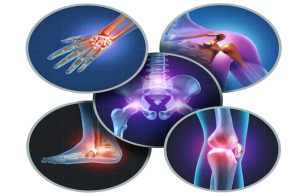
    Image By: https://carrickphysio.com/

Conclusion

An anti-inflammatory diet incorporating foods like turmeric, ginger, berries, and green tea offers promising avenues for managing joint health. These foods, rich in anti-inflammatory compounds and antioxidants, play a crucial role in reducing inflammation, alleviating joint pain, and potentially improving joint mobility. Integrating these foods into one’s diet stands as a proactive approach to fostering better joint health, enabling individuals to embrace a more comfortable and active lifestyle.
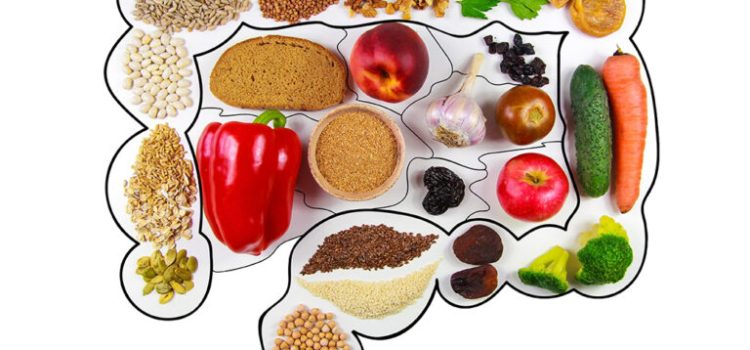

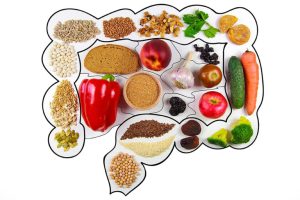
The gut, a bustling ecosystem of microbes residing in the gastrointestinal tract, plays a pivotal role in maintaining overall health. Often referred to as the “second brain,” its influence extends far beyond digestion, impacting various facets of wellness. Let’s explore the multifaceted significance of a healthy gut and its profound implications on immune function, nutrient absorption, mental well-being, and disease prevention.

The Impact of Gut Health on Immune Function

A significant portion of the body’s immune system resides in the gut. The gut-associated lymphoid tissue (GALT) interacts closely with the gut microbiome, regulating immune responses and defending against pathogens. A balanced gut microbiome fosters immune cell development, crucial for a robust defense against infections and diseases.

Nutrient Absorption: The Gut’s Vital Role

The gut microbiome aids in nutrient absorption by breaking down complex carbohydrates, fibers, and certain vitamins that our body’s enzymes alone cannot process efficiently. Additionally, the gut microbiota produces essential vitamins such as vitamin K and some B vitamins, contributing to overall nutrient availability in the body.

Image By: https://justweight.ie/

Gut Health and Mental Well-being

The gut-brain axis, a bidirectional communication network between the gut and the brain, influences mental health profoundly. The gut microbiome produces neurotransmitters like serotonin and dopamine, impacting mood, cognition, and behavior. Imbalances in the gut microbiota have been linked to conditions such as anxiety, depression, and stress-related disorders.

Disease Prevention: Gut Health as a Guardian

Maintaining a healthy gut is crucial in preventing various diseases. Dysbiosis, an imbalance in the gut microbiome, has been associated with conditions such as inflammatory bowel disease (IBD), irritable bowel syndrome (IBS), allergies, obesity, and even certain autoimmune disorders. A diverse and balanced gut microbiome is essential for preventing these ailments.

Probiotic-Rich Foods Prebiotic Sources
Yogurt Garlic
Kefir Onions
Kimchi Leeks
Sauerkraut Asparagus
Miso Bananas
Tempeh Oats
Fermented Pickles Apples
Kombucha Chicory Root
Buttermilk Flaxseeds
Natto Jerusalem Artichoke

Strategies for Enhancing Gut Health

  1. Dietary Modifications: Embrace a diet rich in fiber, prebiotics, and probiotics. Incorporate diverse fruits, vegetables, whole grains, fermented foods, and probiotic-rich items like yogurt and kefir.
  2. Limit Antibiotic Use: Avoid unnecessary antibiotic use, as it can disrupt the gut microbiome. When prescribed, follow the regimen strictly, and consider probiotic supplementation to restore microbial balance.
  3. Manage Stress and Prioritize Sleep: Chronic stress negatively impacts gut health. Practice stress-reduction techniques and ensure adequate sleep to support a healthy gut.
  4. Regular Exercise: Engaging in regular physical activity promotes gut microbial diversity and overall well-being.

    Image By:https://www.karenberrios.com/

Conclusion

A healthy gut stands as a cornerstone of overall wellness, influencing immune function, nutrient absorption, mental health, and disease prevention. Nurturing and maintaining a harmonious gut microbiome through lifestyle modifications and dietary interventions are pivotal steps towards achieving optimal health and vitality.

Introduction

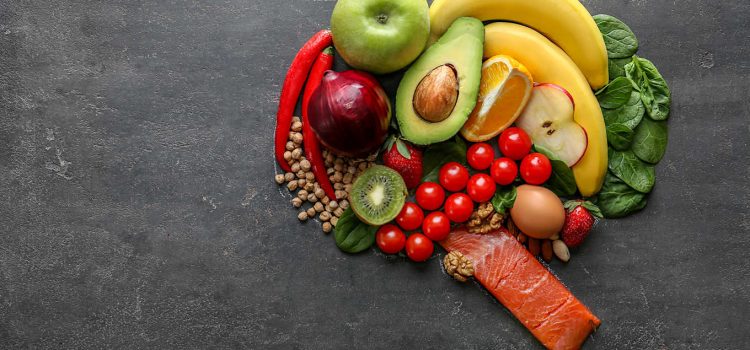
Cognitive health is a paramount aspect of overall well-being, and the MIND diet stands as a potential ally in preserving brain function and reducing the risk of cognitive decline. Created by researchers at Rush University Medical Center, the MIND diet combines elements of the Mediterranean and DASH diets, focusing on specific food groups believed to support brain health. By incorporating nutrient-rich foods like leafy greens, berries, nuts, fish, and olive oil, the MIND diet aims to optimize cognitive wellness. This comprehensive guide provides an in-depth understanding of the MIND diet, offers practical meal plans, and presents delightful recipes for nourishing the brain.

Understanding the MIND Diet

The MIND diet is a hybrid of the Mediterranean and DASH diets, focusing on foods that research suggests could benefit brain health and reduce the risk of neurodegenerative diseases like Alzheimer’s. This diet emphasizes key food groups recognized for their potential to support cognitive function.

Image By: https://th.bing.com

Essential Components of the MIND Diet

  1. Leafy Greens: Vegetables like spinach, kale, and broccoli are rich in vitamins, minerals, and antioxidants, contributing to improved brain health.
  2. Berries: Blueberries, strawberries, and other colorful berries contain antioxidants and phytochemicals, believed to protect against oxidative stress and support brain function.
  3. Nuts: Walnuts, almonds, and hazelnuts are abundant in omega-3 fatty acids, antioxidants, and other nutrients beneficial for brain health.
  4. Fish: Fatty fish such as salmon, mackerel, and sardines are excellent sources of omega-3 fatty acids, associated with a reduced risk of cognitive decline.
  5. Olive Oil: Extra-virgin olive oil, a staple of the Mediterranean diet, possesses anti-inflammatory properties and potential cognitive benefits.
  6. Whole Grains: Incorporating whole grains like brown rice, quinoa, and oats provides essential nutrients like fiber, vitamins, and minerals, supporting overall health.

MIND Diet Meal Plan

An effective way to integrate the principles of the MIND diet into daily life is through a structured meal plan. Here’s a detailed 7-day MIND diet meal plan to kickstart a journey towards better cognitive health:

Day 1:

  • Breakfast: Spinach and mushroom omelette accompanied by a side of mixed berries.
  • Lunch: Quinoa salad with grilled chicken, assorted vegetables, and a drizzle of olive oil.
  • Snack: A handful of walnuts and a small apple.
  • Dinner: Baked salmon served with steamed broccoli and brown rice.

Day 2:

  • Breakfast: Greek yogurt parfait with blueberries, almonds, and a sprinkle of granola.
  • Lunch: Whole grain wrap filled with tuna salad, spinach, and tomatoes.
  • Snack: Carrot sticks served with hummus.
  • Dinner: Grilled chicken breast with roasted sweet potatoes and a side of sautéed kale.

Day 3:

  • Breakfast: Oatmeal topped with sliced strawberries and a dollop of almond butter.
  • Lunch: Lentil soup paired with a mixed green salad dressed in olive oil and vinegar.
  • Snack: Cottage cheese combined with pineapple chunks.
  • Dinner: Stir-fried tofu with assorted vegetables and brown rice.

Day 4:

  • Breakfast: Whole grain toast topped with avocado spread and smoked salmon.
  • Lunch: Turkey and vegetable whole grain pasta.
  • Snack: A handful of mixed nuts.
  • Dinner: Baked cod served with quinoa and roasted Brussels sprouts.

Day 5:

  • Breakfast: Berry smoothie comprising spinach, Greek yogurt, and a tablespoon of flaxseeds.
  • Lunch: Chickpea salad combined with cucumbers, tomatoes, and feta cheese, dressed with olive oil.
  • Snack: Fresh berries accompanied by a dollop of whipped cream.
  • Dinner: Grilled shrimp skewers paired with a side of asparagus and whole grain couscous.

Day 6:

  • Breakfast: Spinach and feta cheese frittata served with sliced oranges.
  • Lunch: Brown rice bowl with black beans, assorted vegetables, and a drizzle of olive oil.
  • Snack: Apple slices accompanied by almond butter.
  • Dinner: Beef stir-fry mixed with broccoli, bell peppers, and quinoa.

Day 7:

  • Breakfast: Overnight oats topped with mixed berries, nuts, and a splash of almond milk.
  • Lunch: Grilled vegetable and hummus wrap.
  • Snack: Trail mix comprising almonds, walnuts, and dried cranberries.
  • Dinner: Baked chicken thighs accompanied by roasted vegetables and barley.

Recipe Ideas

Exploring diverse and flavorful recipes aligned with the MIND diet principles can enhance the culinary experience while nourishing brain health:

  1. Blueberry Walnut Spinach Salad: Ingredients:
  • Fresh spinach leaves
  • Blueberries
  • Chopped walnuts
  • Optional: Feta cheese
  • Olive oil and balsamic vinegar dressing

Instructions: Combine fresh spinach leaves, blueberries, chopped walnuts, and optionally crumbled feta cheese in a bowl. Drizzle olive oil and balsamic vinegar dressing over the salad and toss gently to coat. Serve immediately as a nutrient-rich salad.

  1. Mediterranean Baked Salmon: Ingredients:
  • Salmon fillets
  • Lemon slices
  • Minced garlic cloves
  • Dried oregano
  • Extra-virgin olive oil
  • Salt and pepper

Instructions: Preheat the oven to 375°F (190°C). Place salmon fillets on a baking dish. Drizzle with olive oil and sprinkle minced garlic, dried oregano, salt, and pepper. Top with lemon slices. Bake for 15-20 minutes or until the salmon is cooked through. Serve with steamed vegetables or brown rice.

  1. Mixed Berry Smoothie: Ingredients:
  • Frozen mixed berries
  • Spinach leaves
  • Greek yogurt
  • Almond milk
  • Flaxseeds

Instructions: Blend frozen mixed berries, a handful of spinach leaves, Greek yogurt, almond milk, and a tablespoon of flaxseeds until smooth. Adjust the consistency by adding more almond milk if necessary. Enjoy this refreshing smoothie packed with antioxidants and nutrients.

Image By: https://www.healthhelpnow-nhs.net/

Conclusion

The MIND diet offers a structured approach to prioritize brain-boosting foods for improved cognitive health. While adhering to this diet does not guarantee absolute immunity from cognitive decline, integrating nutrient-dense foods into daily meals can contribute to long-term brain wellness. Experimenting with diverse recipes and meal plans aligned with the MIND diet principles allows for a flavorful and enjoyable journey toward nourishing the brain.

Always seek advice from healthcare professionals or registered dietitians before making significant dietary changes to ensure that the diet aligns with individual health needs and goals. Consistency in incorporating leafy greens, berries, nuts, fish, olive oil, and other brain-boosting foods may support overall well-being and cognitive health over time.

Introduction: Empowering Nutrition for Energy Preservation

For individuals managing post-polio fatigue or limited mobility, optimizing nutrition becomes pivotal for conserving energy and enhancing daily functionality. This article delves into dietary guidance designed to aid in energy conservation for improved quality of life.

Understanding Energy Conservation Through Nutrition

Explaining the relationship between nutrition and energy conservation, highlighting the importance of nutrient-rich foods in supporting energy levels and reducing fatigue.

Balanced Meals for Sustained Energy

Emphasizing the significance of balanced meals comprising complex carbohydrates, lean proteins, and healthy fats to provide sustained energy for individuals experiencing post-polio fatigue.

Image By: https://shoremedicalcenter.org/

Snack Choices for Boosting Energy

Providing insights into energy-boosting snacks, such as nuts, seeds, fruits, and yogurt, offering quick and accessible sources of nutrients to prevent energy slumps.

Portion Control and Meal Timing

Discussing the impact of portion control and meal timing on energy levels, advocating for smaller, frequent meals to prevent energy dips and optimize digestion.

Micronutrients for Vitality

Exploring the role of specific micronutrients like iron, B-vitamins, and magnesium in supporting energy production and suggesting dietary sources to incorporate into daily meals.

Hydration for Energy Maintenance

Highlighting the importance of proper hydration in maintaining energy levels, offering hydration strategies and recommending fluid-rich foods for optimal energy conservation.

Adaptations for Limited Mobility or Fatigue

Providing dietary adaptations for individuals with limited mobility, offering meal preparation tips and easy-to-eat nutrient-dense options for conserving energy.

Mindful Eating and Energy Preservation

Exploring the concept of mindful eating and its role in conserving energy, suggesting strategies such as focused eating and adequate chewing to optimize digestion.

Supplements and Supportive Nutritional Aids

Examining the potential role of supplements or nutritional aids in supporting energy conservation, alongside professional guidance and recommendations.

Collaboration with Healthcare Professionals

Stressing the importance of collaborating with healthcare professionals or dietitians to develop personalized dietary plans tailored to individual needs and energy levels.

Image By:https://www.londonorthotics.co.uk/

Conclusion: Nourishing Energy for Enhanced Quality of Life

Concluding with the significance of nutrition in conserving energy for post-polio individuals, empowering them to leverage dietary choices for improved daily functionality and enhanced quality of life.

Introduction: Crafting Satisfying Meals within Calorie Limits

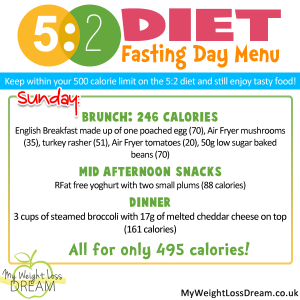
Fasting days on the 5:2 diet requires thoughtful planning to ensure optimal nutrition within restricted calorie intake. This article presents meal plans, recipe ideas, and guidance for creating fulfilling and nutritious meals on fasting days.

 Understanding Calorie Limits on Fasting Days

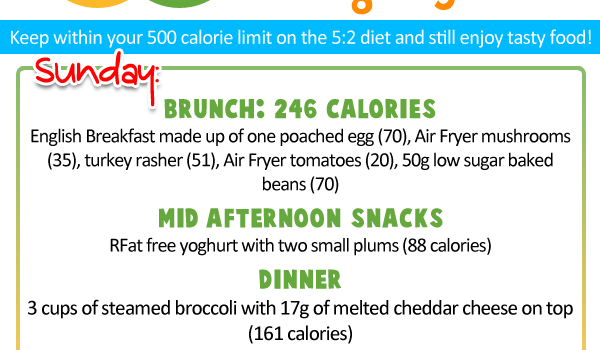
Explaining the recommended calorie limits (typically around 500-600 calories) on fasting days of the 5:2 diet, emphasizing the importance of nutrient-dense choices within this restricted intake.

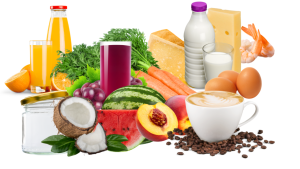
Image By: https://i.pinimg.com

Planning Nutritious Breakfast Options

Offering low-calorie breakfast ideas such as Greek yogurt with berries, vegetable omelets, or oatmeal with fruits, providing a balance of proteins, fibers, and vitamins to kickstart the day.

Satisfying Lunch Choices within Caloric Constraints

Providing lunch options like mixed salad bowls, vegetable soups, or tuna salads, focusing on filling, low-calorie, and nutrient-packed meals to sustain energy levels during the day.

Wholesome Snacks to Keep Hunger at Bay

Suggesting low-calorie snack ideas such as carrot sticks with hummus, fruit slices, or rice cakes with nut butter, offering satisfying snacks to manage hunger pangs.

Creative Dinner Recipes for Fasting Days

Presenting innovative dinner recipes like vegetable stir-fries, grilled fish with steamed vegetables, or lentil soups, ensuring nutrient-rich, filling meals within the prescribed calorie limits.

 Hydration and Beverage Options

Emphasizing the importance of hydration on fasting days and suggesting zero-calorie beverages like herbal teas, infused water, or black coffee to keep hydrated without breaking the calorie restriction.

Meal Planning Strategies for Fasting Days

Guiding readers on effective meal planning for fasting days, including prepping ingredients, portion control, and incorporating variety to avoid monotony while adhering to calorie limits.

Adapting Recipes to Personal Preferences

Encouraging flexibility within calorie limits, allowing individuals to customize recipes based on taste preferences, dietary restrictions, or available ingredients while staying within the recommended calories.

Tips for Success and Adherence

Providing practical tips for success on fasting days, including mindfulness while eating, managing cravings, and staying focused on the nutritional quality of meals.

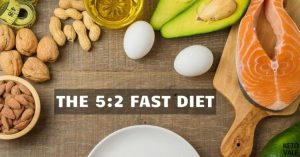
Image By: https://www.ketovale.com

 Conclusion: Crafting Nutrient-Dense Meals on Fasting Days

Concluding with the idea that with thoughtful planning and creative recipe ideas, it is possible to craft fulfilling and nutritious meals within the calorie limits on fasting days of the 5:2 diet.

Introduction: Simplifying Flexitarian Meal Preparation

Embarking on a flexitarian dietary journey can be made simpler and more efficient with effective meal planning and preparation. This article aims to guide beginners with practical tips on planning and preparing flexitarian meals, ensuring simplicity, variety, and convenience in their culinary endeavors.

Understanding Flexitarian Meal Planning

Introducing the fundamentals of flexitarian meal planning, emphasizing the importance of balance, variety, and flexibility in incorporating plant-based foods and occasional meat or fish.

Stocking a Flexitarian Pantry

Guiding beginners on stocking essential pantry items for flexitarian cooking, including grains, legumes, canned goods, spices, versatile sauces, and frozen fruits/vegetables for convenient meal preparation.

Image By: https://i.pinimg.com/

Building a Flexible Meal Structure

Advising on creating a flexible meal structure for a flexitarian diet, such as designating certain days for plant-based meals, incorporating meat or fish on other days, and allowing for culinary experimentation.

Incorporating Variety in Meals

Encouraging variety in flexitarian meals by exploring diverse vegetables, grains, plant-based proteins, and occasional animal proteins, ensuring nutritional diversity and a wide range of flavors.

Meal Prepping Strategies

Offering meal prepping tips, including batch cooking grains, prepping vegetables, and marinating proteins in advance, facilitating quicker assembly of meals during busy periods.

Planning for Balanced Nutrition

Emphasizing the importance of balanced nutrition in flexitarian meal planning, including guidelines on incorporating essential nutrients like proteins, fiber, vitamins, and minerals from plant-based sources and occasional meats.

Flexibility in Recipe Modification

Encouraging beginners to modify recipes based on personal taste preferences, dietary needs, or ingredient availability, fostering creativity and adaptability in the kitchen.

Utilizing Leftovers and Meal Reinvention

Providing strategies to repurpose leftovers creatively, transforming yesterday’s meals into new dishes to minimize food waste and add variety to subsequent meals.

Convenience in On-the-Go Meals

Suggesting convenient and portable flexitarian meal options suitable for busy schedules, such as salads in jars, wraps, or grain-based bowls, ensuring nourishment even when on-the-go.

Image By: https://wildbrine.com/

Conclusion: Simplifying the Flexitarian Culinary Journey

In conclusion, efficient flexitarian meal planning and preparation play a pivotal role in simplifying the culinary experience for beginners, ensuring convenience, variety, and nutritional balance in embracing this dietary approach.

Introduction: Understanding the Ray Peat Diet’s Metabolic Claims

The Ray Peat Diet has purportedly gained attention for its claimed influence on hormonal balance and metabolism. This article delves into the Ray Peat Diet’s alleged effects on hormones, particularly thyroid function, stress hormones, and metabolic rate.

The Role of Hormonal Balance in Health

Exploring the significance of hormonal balance in regulating various bodily functions and its impact on overall well-being.

Image By: https://www.drsamrobbins.com/

Ray Peat Diet’s Impact on Thyroid Function

Examining the Ray Peat Diet’s assertions regarding its influence on thyroid function, exploring the recommended foods and nutrients believed to support thyroid health.

Stress Hormones and Dietary Influence

Discussing how the Ray Peat Diet claims to impact stress hormones such as cortisol and its suggested mechanisms for mitigating stress-related responses.

Alleged Effects on Metabolic Rate

Investigating the Ray Peat Diet’s purported effects on metabolic rate, exploring its proposed impact on energy expenditure and metabolic efficiency.

Nutritional Components and Hormonal Balance

Analyzing the specific dietary components recommended by the Ray Peat Diet and their proposed role in regulating hormones and supporting metabolic function.

Scientific Perspective and Evidence

Evaluating existing scientific literature and studies that either support or challenge the Ray Peat Diet’s claims regarding hormonal balance, thyroid function, stress hormones, and metabolic rate.

Impact on Hormonal Markers and Health Outcomes

Exploring studies or evidence that examine the effects of the Ray Peat Diet on hormonal markers, stress responses, and their implications for overall health.

 Practical Applications and Real-World Observations

Discussing practical observations or individual experiences related to the Ray Peat Diet’s alleged effects on hormones and metabolism.

Criticism and Contradictory Views

Addressing criticisms or contradictory viewpoints surrounding the Ray Peat Diet’s claimed impacts on hormones and metabolism, acknowledging varying perspectives within the scientific community.

Image By: https://biochemnordic.com/

Conclusion: Evaluating Alleged Effects of the Ray Peat Diet

In conclusion, the Ray Peat Diet’s assertions regarding its impact on hormones and metabolism warrant further investigation, considering the complexities of hormonal regulation and metabolic responses.

Introduction: Unveiling Health Outcomes on the OMAD Diet

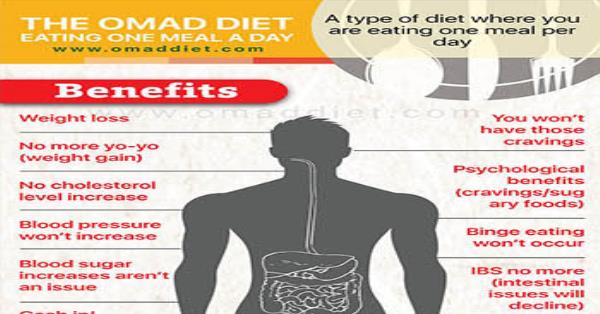
The OMAD (One Meal a Day) diet, known for its intermittent fasting pattern, offers potential health benefits but also carries inherent risks. This article delves into the health advantages, including weight loss and improved insulin sensitivity, alongside potential risks like nutrient deficiencies, disrupted eating patterns, and metabolic implications associated with the OMAD diet.

Understanding the OMAD Diet’s Health Benefits

Exploring the potential benefits of the OMAD diet, including weight loss due to caloric restriction, improved insulin sensitivity, and metabolic adaptations triggered by intermittent fasting.

Image By: https://www.medicpresents.com

Weight Loss and Metabolic Changes

Elucidating the mechanisms behind weight loss on the OMAD diet, discussing metabolic changes, increased fat oxidation, and hormonal responses contributing to fat loss.

Improved Insulin Sensitivity and Blood Sugar Regulation

Examining how intermittent fasting, as practiced in the OMAD diet, influences insulin sensitivity, blood sugar levels, and its potential implications for metabolic health.

Potential Risks and Drawbacks

Addressing the potential risks associated with the OMAD diet, including nutrient deficiencies due to limited food intake, disrupted eating patterns, and challenges in meeting daily nutritional requirements.

Nutrient Deficiencies and Dietary Concerns

Discussing the risk of nutrient deficiencies, especially when consuming a single meal, and strategies to mitigate these deficiencies through careful meal planning and nutrient-dense food choices.

Disrupted Eating Patterns and Social Implications

Highlighting the impact of the OMAD diet on eating patterns, potential social challenges, and the need for mindfulness to prevent disordered eating behaviors or social discomfort.

Metabolic Adaptations and Individual Variations

Exploring individual variations in metabolic responses to the OMAD diet, acknowledging that the effects may vary based on an individual’s physiology and lifestyle factors.

Long-term Sustainability and Health Considerations

Assessing the long-term sustainability of the OMAD diet, addressing concerns about its feasibility, potential risks of metabolic adaptations, and its suitability for diverse individuals.

Guidance and Recommendations

Offering guidance and recommendations for individuals considering or practicing the OMAD diet, emphasizing the importance of balanced nutrition, regular health monitoring, and seeking professional guidance.

Image By: https://thepilotworks.com/

 Conclusion: Balancing Health Outcomes on the OMAD Diet

In conclusion, the OMAD diet presents potential health benefits such as weight loss and improved insulin sensitivity. However, it also poses risks like nutrient deficiencies and disrupted eating patterns. Understanding these outcomes helps individuals navigate the OMAD diet for optimized health.

Introduction: E-commerce Reshaping the Grocery Landscape

The grocery sector has undergone a profound transformation, largely influenced by the surge in e-commerce and digitalization. This article delves into the significant impact of these technological advancements on grocery stocks, assessing the performance and potential growth avenues in online grocery platforms, delivery services, and technological innovations within the sector.

E-commerce’s Influence on Grocery Stocks

The advent of e-commerce has fundamentally altered consumer behavior, notably impacting grocery shopping patterns. This section explores how the convenience, variety, and efficiency offered by online platforms have reshaped consumers’ preferences and their subsequent impact on grocery stock performance.

Image by: https://th.bing.com

Performance Evaluation of Online Grocery Platforms

Examining the performance metrics of prominent online grocery platforms provides insights into their revenue growth, market penetration, and customer acquisition strategies. Analyzing factors like customer retention, order frequency, and basket size aids in understanding their potential for sustained growth.

Delivery Services: Key Drivers in Grocery Stock Performance

Delivery services have emerged as a linchpin in the success of online grocery platforms. Evaluating the efficiency, scalability, and geographic coverage of delivery networks sheds light on their contribution to enhancing customer satisfaction and, subsequently, grocery stock performance.

Technological Advancements: Pioneering Growth in the Grocery Sector

Technological innovations within the grocery industry, such as AI-driven inventory management, personalized shopping experiences, and last-mile delivery optimization, play a pivotal role. This section explores how these advancements influence operational efficiency and market positioning, impacting stock performance.

Assessment of Stock Performance in the Digital Era

  1. Top-performing Online Grocery Stocks:
    • Analyzing the market standings and financial health of leading online grocery stocks elucidates their growth trajectories and competitive advantages within the digital landscape.
  2. Challenges Faced by Grocery Stocks in E-commerce:
    • Despite growth opportunities, grocery stocks in e-commerce encounter challenges like logistics complexities, cost structures, and competitive pressures. Understanding these hurdles is crucial for a comprehensive assessment.

Potential Growth Avenues and Investment Opportunities

Identifying potential growth avenues within the digital grocery space provides insights for investors. Assessing innovative strategies, market expansion plans, and technology adoption helps in recognizing promising investment opportunities.

Future Outlook: Navigating E-commerce’s Influence on Grocery Stocks

Looking ahead, e-commerce will continue to exert a profound influence on grocery stocks. Insights into evolving consumer behaviors, technological advancements, and strategic shifts will guide stakeholders in navigating the dynamic digital landscape.

Image by: https://www.insider.com/

Conclusion: Embracing the E-commerce Revolution in Grocery Stocks

In conclusion, the impact of e-commerce and digitalization on grocery stocks is undeniable. As the industry evolves, understanding the pivotal role of online platforms, delivery services, and technological advancements becomes crucial for investors and stakeholders seeking growth opportunities in this dynamic sector.

Electrolyte drinks serve as vital resources for individuals facing health conditions such as dehydration, electrolyte imbalances, or illnesses causing fluid loss. This article explores the benefits of electrolyte drinks in addressing these conditions and provides guidance on selecting the most appropriate beverages tailored to individual health needs.

Understanding Electrolyte Imbalances and Health Conditions

Dehydration, electrolyte imbalances, and illnesses causing fluid loss, like diarrhea or vomiting, can disrupt the body’s electrolyte balance. These conditions often result in the loss of essential minerals like sodium, potassium, and magnesium. Electrolyte drinks offer a convenient solution to replenish these vital minerals and restore balance to support recovery and well-being.

Image By:https://www.foodchamps.org

Role of Electrolyte Drinks in Rehydration

Electrolyte drinks aid in rehydration by replenishing lost fluids and essential minerals. Their balanced electrolyte content, particularly sodium, helps retain water and restore the body’s fluid balance. This rehydration process is crucial for individuals experiencing dehydration due to various health conditions.

Benefits for Specific Health Conditions

  1. Dehydration Recovery:
    • Electrolyte drinks with sodium and potassium are effective in rehydrating the body after dehydration caused by intense physical activity, heat exposure, or insufficient fluid intake.
  2. Electrolyte Imbalances:
    • Conditions like hypokalemia or hyponatremia, characterized by low potassium or sodium levels, respectively, can benefit from electrolyte drinks with targeted mineral concentrations.
  3. Illness-Induced Fluid Loss:
    • During illnesses causing diarrhea or vomiting, electrolyte drinks assist in replacing lost fluids and minerals, aiding in faster recovery and preventing further dehydration.

Choosing the Right Electrolyte Drink

Selecting an appropriate electrolyte drink depends on the specific health condition and individual needs. Factors such as electrolyte content, sugar levels, and additional components like vitamins or herbal supplements should be considered. For instance, individuals with diabetes might prefer drinks with lower sugar content.

Types of Electrolyte Drinks and Their Suitability

  1. Oral Rehydration Solutions (ORS):
    • ORS, like Pedialyte or rehydration salts, are recommended for rehydration during illnesses causing fluid loss due to their optimal electrolyte composition.
  2. Sports Drinks:
    • Beverages designed for athletes can aid in rehydration after intense physical activities, but individuals should be mindful of their sugar content.
  3. Homemade Electrolyte Drinks:
    • DIY options using natural ingredients like coconut water, fruits, or herbal teas offer customizable solutions for specific health needs.

Guidance on Consumption and Frequency

Consulting a healthcare professional for guidance on appropriate consumption and frequency of electrolyte drinks is crucial, especially for individuals managing chronic health conditions or those with specific dietary restrictions.

Image By: https://f6a408438aad93aef928-f

Conclusion

In conclusion, electrolyte drinks serve as valuable tools for addressing specific health conditions involving dehydration, electrolyte imbalances, or illnesses causing fluid loss. By understanding their benefits and considering individual health needs, individuals can make informed choices in selecting the most suitable electrolyte drinks to support their recovery and overall health.