Introduction

Embarking on a journey through the labyrinth of personality disorders reveals a realm where individuals significantly deviate from conventional behavior. This comprehensive article aims to unravel the intricacies surrounding these disorders, shedding light on their features, various types, and the multifaceted landscape of treatment options.

Common Features of Personality Disorders

  1. Overwhelming Negative Feelings: At the core of personality disorders lie pervasive negative emotions like distress, anxiety, worthlessness, or anger.
  2. Avoidance of Social Interactions: Individuals may find solace in isolation, steering clear of social interactions that might exacerbate their emotional turmoil.
  3. Emotional Emptiness and Disconnection: A sense of emptiness and emotional disconnection characterizes the inner world of those grappling with personality disorders.
  4. Odd Behavior: Observable odd or eccentric behavior becomes a manifestation of the internal struggles individuals face.
  5. Difficulty in Maintaining Relationships: Building and sustaining stable relationships, particularly with partners, children, and professional caregivers, poses a significant challenge.
  6. Periods of Losing Contact with Reality: Distorted beliefs about others can lead to intermittent episodes where the affected individual loses touch with reality.

Personality Disorders
Image by: yandex.com

When and Why Personality Disorders Occur

Understanding the origins of personality disorders involves unraveling the complex interplay of factors.

  1. Emergence in Adolescence: Typically, personality disorders emerge during adolescence, persisting into adulthood.
  2. Genetic and Family Factors: Genetic predisposition and family dynamics play a crucial role in the development of these disorders.
  3. Childhood Experiences: Distressing childhood experiences such as neglect or abuse contribute significantly to the manifestation of personality disorders.
  4. Varied Severity: The severity of personality disorders varies, ranging from mild to moderate or severe.
  5. Periods of Remission: Individuals may experience periods of “remission” where they function well, highlighting the dynamic nature of these conditions.

Personality Disorders
Image by: yandex.com

Types of Personality Disorders

The landscape of personality disorders is diverse, encompassing a spectrum of types, each characterized by distinct features and challenges.

  1. Paranoid Personality Disorder: Intense distrust and suspicion shape the behavioral landscape of individuals with this disorder.
  2. Schizoid Personality Disorder: Emotional detachment and a preference for social withdrawal are hallmark features.
  3. Schizotypal Personality Disorder: Eccentric behavior and social anxiety define the contours of this personality disorder.
  4. Antisocial Personality Disorder: Disregard for others’ rights and societal norms marks individuals with this disorder.
  5. Borderline Personality Disorder: Unstable relationships and a distorted self-image are key features.
  6. Histrionic Personality Disorder: Attention-seeking behavior and intense emotional expression characterize this personality disorder.
  7. Narcissistic Personality Disorder: Grandiosity and a lack of empathy are prevalent traits.
  8. Avoidant Personality Disorder: Fear of rejection and avoidance of social situations are central themes.
  9. Dependent Personality Disorder: Excessive reliance on others for decision-making is a defining feature.
  10. Obsessive-Compulsive Personality Disorder: Perfectionism and rigid adherence to rules shape the behavior of individuals with this disorder.

Personality Disorders
Image by: yandex.com

Comparative Table:

Personality Disorder Key Features
Paranoid Intense distrust and suspicion
Schizoid Emotional detachment and social withdrawal
Schizotypal Eccentric behavior and social anxiety
Antisocial Disregard for others’ rights and societal norms
Borderline Unstable relationships and self-image
Histrionic Attention-seeking behavior and emotional expression
Narcissistic Grandiosity and lack of empathy
Avoidant Fear of rejection and avoidance of social situations
Dependent Excessive reliance on others for decision-making
Obsessive-Compulsive Perfectionism and rigid adherence to rules

Treating Personality Disorders

While the journey may seem daunting, recovery from personality disorders is a tangible reality.

Tailored Psychological Therapy: The cornerstone of effective treatment involves a tailored psychological therapy regimen lasting at least 6 months.

Adaptability to Severity: The duration may extend based on the severity of the condition and other concurrent issues.

Expertise in Handling High-Risk Behaviors: Given the associated high-risk behaviors like self-harm, expertise in handling personality disorders is crucial.

Consultation with Trained Professionals: Trained professionals ensure the delivery of appropriate psychological therapies.

Psychological Therapies:

Dive into the realm of psychological therapies, where discussions on thoughts, emotions, and behaviors unfold under the guidance of trained professionals.

  1. Emphasis on Emotional Regulation: Therapies focus on improving emotional regulation, empowering individuals to navigate their inner world effectively.
  2. Addressing Dysfunctional Thoughts: Targeting dysfunctional thoughts is a crucial aspect, paving the way for cognitive restructuring and positive mental reframing.
  3. Promoting Self-Reflection: Therapies encourage self-reflection, fostering a deeper understanding of one’s own thoughts and behaviors.
  4. Enhancing Social Relationship Understanding: Group therapies, in particular, contribute to a better understanding of social relationships.

Personality Disorders
Image by: yandex.com

Medication:

While no specific medications directly target personality disorders, prescriptions may be employed to address associated concerns.

  1. Integration into Treatment Plan: Medication integration is tailored to the individual’s unique needs, addressing issues like depression, anxiety, or psychotic symptoms.

Conclusion

Unraveling the complexities of personality disorders is paramount for effective treatment and sustained mental health. This guide encourages individuals to seek professional help, providing personalized therapy and support on the journey to recovery. The path may be challenging, but understanding, intervention, and resilience pave the way for a brighter future.

Introduction:

A persistent nighttime cough can be a major hindrance to a good night’s sleep. In this comprehensive guide, we explore 22 practical and effective strategies to ease nighttime coughing and enhance the quality of your sleep.

Managing the Environment:

1. Quit Smoking for Respiratory Health:

If you smoke, quitting can significantly lower the risk of chronic cough. Discover how it helps manage conditions like GERD and asthma. Consult a doctor for personalized strategies and assistance with smoking cessation.

2. Avoid Secondhand Smoke:

Understand the risks associated with exposure to secondhand smoke. Learn how steering clear of smoky areas can reduce irritation and inflammation, contributing to a more peaceful night’s sleep.

3. Use a Humidifier:

Explore the benefits of using a humidifier at night to add moisture to the air. This simple step can soothe the throat and prevent coughing. Maintain optimal humidity levels for maximum effectiveness.

Nighttime Cough
Image by: yandex.com

4. Manage Allergens:

Discover practical tips for reducing allergy-related coughing in the bedroom. This includes using asthma-friendly vacuum cleaners, mattress covers, and other preventive measures to create a more allergen-free environment.

5. Reduce Dust:

Learn how to minimize dust in the bedroom to alleviate symptoms at night. Practical tips include avoiding certain furnishings, washing bedding regularly, and ensuring proper ventilation.

6. Keep Windows Closed:

Explore the benefits of keeping windows closed to eliminate dust, air pollution, and pollen from sleeping areas. This simple measure can contribute to a healthier and less irritating sleep environment.

Nighttime Cough
Image by: yandex.com

7. Use an Air Filter:

Understand how air filters and purifiers, especially those with HEPA filters, can significantly reduce airborne particles. This can be particularly helpful in reducing nighttime coughing.

8. Raise the Head of the Bed:

Discover various methods to elevate the head of the bed, which can alleviate symptoms of postnasal drip and GERD. Options include adjustable beds, additional pillows, blocks under the bed legs, and back wedges.

Herbal and Natural Remedies:

9. Lemon with Honey:

Explore the soothing effects of drinking lemon with honey before bed. Understand its similarity to cough medications and be aware of age restrictions for honey use.

10. Ivy Leaf:

Learn about the potential benefits of ivy leaf extract in cough mixtures. Backed by a 2020 study, discover how it can improve symptoms of acute bronchitis and associated sleep disorders.

Nighttime Cough
Image by: yandex.com

11. Thyme and Primrose:

Discover the effectiveness of thyme and primrose in reducing cough, supported by a 2016 review highlighting their antispasmodic and antimicrobial properties.

12. Essential Oils:

Understand how essential oils like eucalyptus and peppermint may reduce cough symptoms. Exercise caution, consult a healthcare professional, and research the quality of specific brands before use.

13. Gargle Warm Salt Water:

Explore the potential benefits of gargling warm salt water before bed in preventing infections and managing cough symptoms. Stay informed about the latest research on saltwater gargles.

14. Saline Nasal Spray:

Learn how saline nasal sprays may provide relief from cough symptoms. Explore research supporting their effectiveness in reducing nasal secretions and improving nasal breathing.

15. Neti Kriya:

Discover the yoga-based practice of Neti Kriya, using a neti pot for nasal irrigation. Understand its potential benefits in managing rhinosinusitis-related cough. Ensure safety by consulting with a doctor before use.

Nighttime Cough
Image by: yandex.com

Medical Treatments:

Explore over-the-counter and prescription medications that can help alleviate nighttime coughing and improve sleep quality.

16. Cough Suppressants:

Understand how cough suppressants, available as both over-the-counter and prescription drugs, can block the cough reflex. Learn about their potential role in nighttime cough relief.

17. Expectorants:

Learn about expectorants like guaifenesin (Mucinex) that thin mucus in the lungs, making it easier to cough up. Explore how they may shorten the duration of a cough and treat respiratory conditions.

18. Steroid Nasal Spray:

Explore the use of steroid nasal sprays like fluticasone propionate in reducing inflammation for individuals with nonallergic rhinitis. Follow doctor’s instructions for proper and safe use.

Nighttime Cough
Image by: yandex.com

19. Vaccinations:

Understand the importance of vaccinations, including the annual flu vaccine and COVID-19 vaccines, in preventing conditions that may lead to a cough. Follow recommended immunization schedules for all age groups.

Treating Underlying Conditions:

Explore various health conditions that can cause a nighttime cough and the corresponding treatment plans.

20. GERD:

Learn about managing gastroesophageal reflux disease (GERD) through lifestyle changes, dietary adjustments, and medications. Discover strategies to alleviate throat irritation and reduce nighttime coughing.

21. Laryngopharyngeal Reflux and Postnasal Drip:

Explore lifestyle modifications and positional changes to manage laryngopharyngeal reflux (LPR) and postnasal drip, potential causes of nighttime cough.

22. Asthma:

Understand how managing asthma involves using air purifiers, avoiding allergens, and adhering to prescribed medications. Emphasize the importance of seeking medical attention for this potentially serious condition.

When to Contact a Doctor:

Recognize the signs indicating it’s time to consult a doctor regarding your nighttime cough. Timely diagnosis and appropriate treatment are crucial for effective management.

Affordable Care Act
This image is taken from google .com

Conclusion:

A persistent nighttime cough can significantly impact sleep quality, but with the right strategies, relief is possible. Consult a doctor for personalized advice based on your specific symptoms and conditions. Achieving better sleep is within reach with comprehensive and tailored approaches.

Introduction

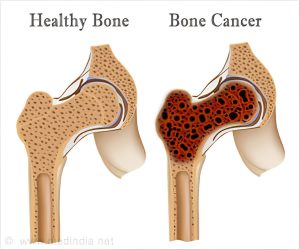
Bone cancer is a rare but impactful form of cancer that originates in the bones, affecting the skeletal structure that provides support and mobility to the body. Characterized by abnormal cell growth within the bone tissue, bone cancer can be primary, originating in the bones, or secondary, spreading to the bones from other parts of the body. Diagnosis involves various tests such as imaging, biopsies, and blood tests, with staging determining the extent of the disease. Stage 4 bone cancer, the most advanced, indicates the spread of cancer to distant organs. Symptoms include persistent pain, fractures, reduced mobility, and systemic effects, emphasizing the importance of early recognition. Treatment approaches are often palliative, focusing on improving the individual’s quality of life. The outlook varies for different types of primary bone cancers, with survival rates providing insights into potential outcomes. Ongoing research and support services contribute to the comprehensive management of bone cancer, highlighting the significance of early detection and personalized care plans.

Diagnosis of Stage 4 Bone Cancer

  • Diagnosis involves various tests:
    • Imaging tests (X-rays, CT scans, MRI, PET scans) to identify cancer location and extent.
    • Biopsy: Examination of a bone tissue sample to confirm cancer presence.
    • Blood tests (e.g., alkaline phosphatase) assess bone activity and overall health.
  • Staging considers tumor size, lymph node involvement, and metastasis.
  • Determines overall cancer stage (stages 1-4).
  • Stage 4 signifies cancer spread to distant organs or body parts.
  • Early diagnosis crucial for effective intervention and treatment planning.
cancer
Image by: yandex.com

Symptoms of Stage 4 Bone Cancer

  • Persistent pain, often worsening at night or with activity.
  • Swelling at the site of the tumor.
  • Increased risk of fractures in weakened bones.
  • Reduced mobility, especially in weight-bearing bones.
  • Weight loss and persistent fatigue.
  • Symptoms of anemia, including dizziness and pallor.
  • Systemic effects impacting the whole body.
  • Timely recognition of symptoms aids in early diagnosis and intervention.

Treatment Approaches

Stage 4 bone cancer is typically managed through palliative treatment, focusing on symptom management and enhancing the individual’s quality of life. Treatment options may include chemotherapy to slow cancer growth and relieve symptoms, radiation therapy to alleviate pain and control cancer cell growth in the bone, and surgery in certain cases to remove tumors, alleviate pain, or stabilize bones. Targeted therapy, addressing specific aspects of cancer cells, and bone-strengthening medications like bisphosphonates are also part of the comprehensive treatment plan. Pain management, incorporating medication, physical therapy, and complementary therapies, plays a vital role in improving the overall well-being of individuals.

cancer
Image by: yandex.com

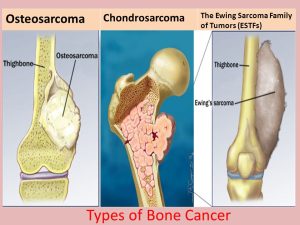
Outlook for Different Types of Primary Bone Cancer

Osteosarcoma:

  • Localized: 5-year relative survival rate of 76%.
  • Regional (spread to nearby structures): 5-year rate of 64%.
  • Distant (spread to distant parts): 5-year rate drops significantly to 24%.

Chondrosarcoma:

  • Localized: 5-year relative survival rate reaches 91%.
  • Regional (spread to nearby areas): 5-year rate decreases to 76%.
  • Distant (further metastasis): Survival rate drops to 17%.

Chordoma:

  • Localized: 5-year relative survival rate at 87%.
  • Regional (spread extensively): Slightly lower at 84%.
  • Distant (extensive spread): 5-year rate is 69%.

Note:

  • Statistics are based on the 5-year relative survival rates.
  • Individual outcomes may vary, and ongoing research aims to improve understanding and treatment.
  • Early detection and personalized treatment plans contribute to better outcomes.
cancer
Image by: yandex.com

Where to Find Support

A crucial aspect of coping with stage 4 bone cancer is accessing the right support. Healthcare teams offer medical guidance, symptom management, and referrals to support services. In-person and online support groups provide a platform for individuals to share experiences and advice with those facing similar challenges. Organizations such as the American Cancer Society (ACS) and Cancer Support Community offer valuable resources, including information, financial assistance, and emotional support. Ongoing research and clinical trials continuously contribute to improving the understanding and treatment of bone cancer, potentially influencing future survival rates.

Summary

In conclusion, stage 4 bone cancer represents the most advanced stage, posing significant challenges for individuals and their families. The symptoms, treatment approaches, and prognosis underscore the importance of a comprehensive and multidisciplinary approach to care. While the outlook may be challenging, palliative treatment aims to enhance the quality of life for those affected. Finding support through healthcare teams, support groups, and dedicated organizations becomes paramount in navigating the complexities of living with stage 4 bone cancer.

Introduction

Middle ear infections, medically termed otitis media, stand as a prevalent concern affecting individuals across various age groups, with a pronounced impact on children. This comprehensive guide aspires to provide an exhaustive exploration, offering a deep dive into the multifaceted nature of middle ear infections. From deciphering their root causes to unraveling intricate symptoms, understanding diverse treatment approaches, and embracing preventive strategies, this guide aims to equip readers with an encompassing knowledge base.

Symptoms and Signs

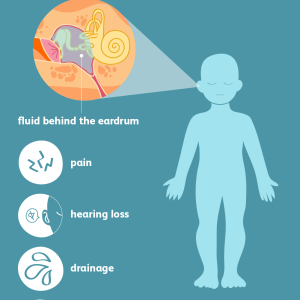
  • Earache:
    • Common symptom indicating inflammation and infection in the middle ear.
  • Fever:
    • Elevated body temperature often accompanies middle ear infections.
  • Vomiting:
    • Some individuals, especially children, may experience vomiting as a response to the infection.
  • Fatigue:
    • A general lack of energy is a prevalent symptom during a middle ear infection.
  • Hearing Loss:
    • Fluid accumulation in the middle ear can lead to slight hearing loss, particularly if the condition persists.
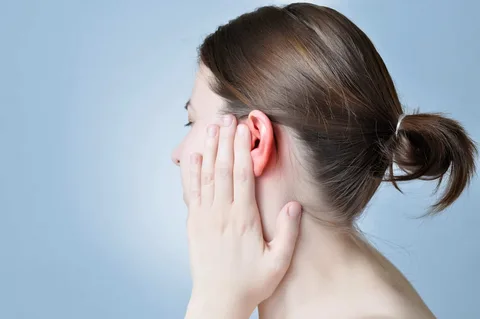
Middle Ear Infections
Image by: yandex.com

When to Seek Medical Advice

  • While many cases may resolve spontaneously, persistent symptoms demand vigilant medical attention.
  • Consulting a healthcare professional is crucial if symptoms exhibit no improvement after a conservative timeframe of two to three days.
  • The significance of seeking advice amplifies when confronted with persistent pain, discharge, or the presence of an underlying health condition.

Causes of Middle Ear Infections

  • Infections, often originating from respiratory ailments like colds, pave the way for mucus buildup within the middle ear.
  • The Eustachian tube, responsible for drainage, may succumb to swelling or blockage, impeding the fluid drainage process.
  • Enlarged adenoids, prevalent in children, further contribute to Eustachian tube blockage, elevating susceptibility.
Middle Ear Infections
Image by: yandex.com

Prevention Tips

  • Strategic vaccination adherence, particularly emphasizing essential shots such as the pneumococcal and DTaP/IPV/Hib/HepB vaccines, plays a pivotal role.
  • Mitigating exposure to smoky environments emerges as a preventive measure to curtail infection risks.
  • Embracing breastfeeding, adhering to appropriate feeding positions, and judiciously limiting contact with unwell children collectively constitute a robust preventive approach.

Complications and Further Problems

Mastoiditis:

Symptoms: High fever, swelling behind the ear, redness, tenderness, creamy discharge.

Treatment: Typically involves antibiotics administered intravenously; surgery may be necessary to drain the infected mastoid bone.

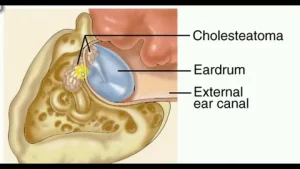
Cholesteatoma:

Symptoms: Hearing loss, weakness in half the face, dizziness, tinnitus.

Treatment: Surgical removal is often required to prevent damage to delicate ear structures.

Labyrinthitis:

Symptoms: Dizziness, vertigo, loss of balance, hearing loss.

Treatment: Symptoms usually resolve within weeks; medication may be prescribed to alleviate symptoms and address the underlying infection.

Speech and Language Development Issues:

Risk: Frequent ear infections in early childhood may impact speech and language development.

Action: Consult a GP if concerned about a child’s development; early intervention may be necessary.

Facial Paralysis:

Cause: Swelling associated with otitis media can compress the facial nerve.

Outcome: Temporary facial paralysis; resolves as the infection subsides, rarely causing long-term problems.

Meningitis:

Symptoms: Severe headache, vomiting, high fever, stiff neck, sensitivity to light.

Treatment: Urgent hospitalization and intravenous antibiotics; requires prompt medical attention.

Brain Abscess:

Symptoms: Severe headache, changes in mental state, weakness or paralysis, seizures.

Treatment: Combination of antibiotics and surgery to drain pus from the abscess or remove it entirely; requires immediate medical intervention.

Middle Ear Infections
Image by: yandex.com

Diagnosing Middle Ear Infections

  • Otoscope Examination: A standard diagnostic method involves using an otoscope, a handheld device with a magnifying glass and light, to inspect the ear canal and eardrum for signs such as bulging, unusual color, or a cloudy appearance.
  • Tympanometry Test: This test measures how the eardrum reacts to changes in air pressure. A probe is inserted into the ear, and changes in air pressure are induced while transmitting sound. The device records the eardrum’s movement, helping identify fluid behind it.
  • Audiometry: Employing an audiometer, this hearing test assesses if the infection has led to any hearing loss. The individual listens through headphones to sounds of varying volume and frequency, providing insights into the extent of potential hearing impairment.
  • Further Tests if Needed: In cases where initial diagnostics don’t suffice or complications arise, additional tests may be conducted at an Ear, Nose, and Throat (ENT) department. These may include more detailed scans like CT or MRI scans.
  • Monitoring Eardrum Movement: Some otoscopes can blow a small puff of air into the ear to check for blockages in the middle ear. If the Eustachian tube is clear, the eardrum should move slightly; if blocked, the eardrum remains still, indicating a potential infection.

Treatment Options

  • A considerable proportion of middle ear infections spontaneously resolve within a timeframe of 3-5 days, obviating the necessity for specific treatment.
  • Antibiotics, not routinely prescribed, yield precedence to pain relief measures in managing symptoms.
  • For children grappling with recurrent severe infections, the insertion of grommets, diminutive tubes facilitating fluid drainage, emerges as a potential intervention.
Middle Ear Infections
Image by: yandex.com

Grommets and Complications

  • Grommets, delicately inserted into the eardrum, offer a solution for recurrent infections, particularly in children.
  • While complications associated with grommets, such as mastoiditis, cholesteatoma, and facial paralysis, remain infrequent, their recognition necessitates immediate medical intervention.
  • The proactive management of complications is pivotal in averting potential long-term consequences.

Conclusion

Traversing the expansive landscape of middle ear infections demands not merely a cursory understanding but an immersive exploration of their nuances. Recognizing symptoms, discerning the opportune moment to seek medical advice, and conscientiously adopting preventive measures collectively contribute to the endeavor of maintaining ear health, not just in children but across diverse age groups. Arm yourself with comprehensive knowledge for a resilient, infection-resistant auditory system that stands the test of time.

Understanding Binge Eating Disorder

Binge Eating Disorder (BED) is a complex and challenging condition that manifests through regular episodes of overeating. This comprehensive guide aims to unravel the various aspects of BED, shedding light on symptoms, treatment options, and the essential support systems.

Binge Eating Disorder
Image by: yandex.com

Symptoms of Binge Eating Disorder

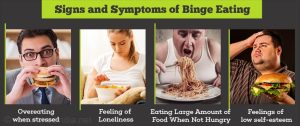
  1. Rapid Consumption:
    • Eating much faster than normal during binge episodes.
  2. Uncomfortable Fullness:
    • Continuing to eat until feeling uncomfortably full.
  3. Excessive Eating When Not Hungry:
    • Consuming large amounts of food when not experiencing hunger.
  4. Solitary or Secretive Eating:
    • Eating alone or in secret due to embarrassment about the quantity of food consumed.
  5. Post-Binge Emotional Distress:
    • Experiencing feelings of guilt, shame, or disgust after a binge episode.
Binge Eating Disorder
Image by: yandex.com

Recognizing Subtypes

The spectrum of eating disorders includes subtypes such as bulimia and anorexia. If purging behaviors follow binge episodes, it may indicate symptoms of bulimia. Conversely, sporadic binges coupled with low body weight suggest symptoms of anorexia, highlighting the need for tailored interventions.

Treatment Options

  1. Guided Self-Help:
    • Engage in a structured process of self-learning and activities.
    • Receive ongoing support through regular sessions with a professional psychologist.
  2. Cognitive Behavioural Therapy (CBT):
    • Explore the realm of individual or group CBT sessions.
    • Delve into the intricate connection between thoughts, feelings, and behaviors.
    • Identify and address underlying issues to mitigate the likelihood of future binge episodes.
  3. Antidepressants:
    • Medication may be considered as a complementary component of the treatment plan.
Treatment Options 
Image by: yandex.com

Long-Term Physical Effects

Binge eating often leads to weight gain, raising the risk of various physical health problems. These include elevated cholesterol levels, high blood pressure, diabetes, osteoarthritis, and an increased susceptibility to certain types of cancer. Understanding these potential consequences underscores the urgency of seeking help for BED.

Seeking Help

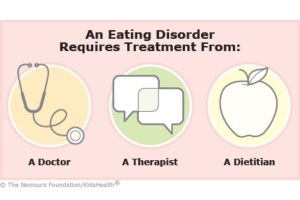
Recognizing the need for assistance is a crucial step in addressing BED. Reach out to trusted individuals, whether friends or family, and consider consulting a General Practitioner (GP). Early intervention is key to effectively managing both the physical and mental aspects of BED.

Supporting Others

If someone you know exhibits signs of an eating disorder:

  • Approach the situation with empathy, fostering open communication.
  • Encourage the individual to seek professional help.
  • Offer unwavering support without imposing pressure or criticism.
Binge Eating Disorder
Image by: yandex.com

Additional Support Resources

Beat, a prominent charity specializing in eating disorders, serves as a valuable resource offering information and support for individuals and their families. Consultation with your GP and care team can provide further guidance on available resources.

Embark on a journey of understanding, addressing, and seeking support for Binge Eating Disorder – a significant stride towards cultivating a healthier and more balanced life.

Introduction:

The interplay between alcohol consumption and blood clotting is a multifaceted realm with implications for health. This article takes a detailed journey through the effects of alcohol on platelets, the associated risks of blood clots, and the presence of alcohol use disorder.

How Does Alcohol Thin the Blood?

Delving into the specifics of alcohol’s influence on platelets reveals a nuanced picture:

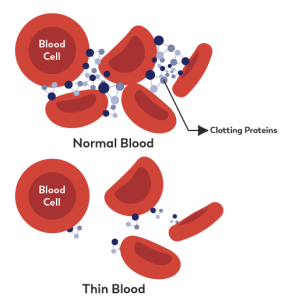
  • Platelet Activation and Deactivation: Research suggests that alcohol, when consumed in low to moderate amounts, can lead to decreased platelet activation. This is akin to the effects observed with conventional blood-thinning medications.
  • Caution with Significant Alcohol Intake: Contrarily, the scenario changes with significant alcohol consumption. Platelet aggregation increases, posing a potential elevation in the risk of blood clots. It’s a delicate balance influenced by the quantity of alcohol consumed.
Alcohol and Blood Clotting
Image by: alcoholicsanonymous.com

Comparative Table:

Alcohol Consumption Platelet Activation Risk of Blood Clots
Low to Moderate Decreased Potential decrease
Significant Amounts Increased Potential increase

Can Alcohol Cause Blood Clots?

A deeper exploration reveals the connection between daily, heavy alcohol consumption and platelet dynamics:

  • Link to Cardiovascular Risks: Studies indicate that substantial alcohol intake is associated with increased platelet aggregation and reactivity.
  • Broader Health Implications: High alcohol consumption is not just limited to blood clot risks. It has been linked to conditions such as high blood pressure, stroke, atrial fibrillation, and heart failure.
  • Moderation Advised: The American Heart Association recommends moderation, defining one drink as a 12 oz beer with 5% alcohol, a 5 oz glass of wine, 8 oz malt liquor of 7% alcohol, or 1.5 oz of 80-proof liquor.
Alcohol and Blood Clotting
Image by: journeypure.com

Alcohol Use Disorder (AUD):

Understanding the medical condition of Alcohol Use Disorder (AUD):

  • Definition: AUD is characterized by an inability to control or stop alcohol consumption despite negative consequences on health, work, or relationships.
  • Treatment Approaches: Healthcare professionals employ a combination of medications, behavioral therapies, and support groups to address AUD.
  • Seeking Help: Individuals suspecting AUD are urged to consult their doctors or reach out to the National Institute on Alcohol Abuse and Alcoholism (NIAAA) for guidance on treatment and support.
Alcohol and Blood Clotting
Image by: www.scripps.edu

Frequently Asked Questions (FAQs):

Diving into common queries surrounding alcohol and blood clotting:

  1. Does alcohol thin the blood before surgery?
    • Research suggests alcohol may thin the blood, emphasizing its avoidance before surgery.
    • Heavy alcohol use and AUD may heighten surgical complications and impact anesthesia requirements.
  2. Can people drink alcohol while taking blood thinners?
    • Alcohol’s interaction with blood thinners can lead to adverse effects.
    • Healthcare professionals should be consulted to determine the safety of alcohol consumption alongside medications.
  3. Can someone drink alcohol instead of taking a blood thinner?
    • Despite potential blood-thinning effects, alcohol increases the risk of cardiovascular conditions.
    • Consulting with a doctor is essential before considering alcohol as a substitute for prescribed blood thinners.

Summary:

In summary, the intricate relationship between alcohol and blood clotting reveals a nuanced dynamic. While low to moderate alcohol consumption may exhibit blood-thinning effects, significant intake can heighten the risk of blood clots. Prioritizing prescribed medications over alcohol and seeking guidance from healthcare professionals is imperative for a balanced approach to health.

Understanding Atopic dermatitis

Atopic dermatitis, a prevalent form of eczema, impacts around 30% of the U.S. population, predominantly affecting children. This comprehensive guide delves into various aspects of atopic dermatitis, including treatments, home remedies, the latest research, and effective ways to manage symptoms.

Treatments for Atopic Dermatitis

Explore a range of treatments aimed at helping individuals manage symptoms. Understand the dual approach involving moisturizers and anti-inflammatories.

  • Moisturizers: Alleviate dryness and itching.
  • Anti-inflammatories: Reduce swelling, itching, and redness.
Atopic Dermatitis
Image by: yandex.com

Wet Wrap Therapy

Learn about Wet Wrap Therapy (WWT) as a potential method to improve symptoms. Understand its application and effectiveness compared to conventional treatments.

  • Procedure: Wrap wet fabric or gauze around affected areas.
  • Benefits: Hydrates the skin, enhances action of medicated creams.

Phototherapy

Discover how UV light therapy can benefit individuals with severe eczema. Understand the side effects and its role in reducing itchiness and inflammation.

  • Procedure: Exposure to UVB light on affected areas or entire body.
  • Benefits: Reduces itchiness, inflammation, promotes vitamin D production.

Home Remedies

Explore natural moisturizers and bathing techniques to alleviate symptoms. Understand the significance of testing new products and maintaining skin hydration.

  • Natural Moisturizers: Coconut oil, sunflower oil, cardiospermum.
  • Bathing Techniques: Bath oil, oatmeal baths, baking soda baths.
  • Caution: Test new products on a small area before widespread use.
Atopic Dermatitis
Image by: yandex.com

Treatment for Babies

Addressing eczema in infants involves similar approaches as in adults. Learn about exclusive breastfeeding, moisturizing, and maintaining an optimal room temperature.
  • Prevention: Exclusive breastfeeding for 4-6 months may reduce risk.
  • Moisturizing: Daily application may reduce the risk of eczema.
  • Room Temperature: Ensure a baby’s room is not too warm to prevent sweating.

Latest Research

Stay updated on evolving treatment strategies, including JAK inhibitors and biologics. Understand the potential of personalized treatments based on genetic and environmental factors.

  • New Medications: JAK inhibitors, biologics (e.g., dupilumab).
  • Research Focus: Targeting specific immune factors.
  • Personalized Treatment: Tailored to individual genetic and environmental factors.
Atopic Dermatitis
Image by: yandex.com

Symptom Management

Gain insights into effective skin care methods to reduce symptoms. Learn about avoiding triggers, maintaining mental health, and seeking medical advice for complications.

  • Avoiding Triggers: Scratching, contact with irritants.
  • Maintaining Mental Health: Stress management.
  • Medical Advice: Complications may require professional attention.

Comparative Table (Treatments)

Explore diverse treatment options for atopic dermatitis, including over-the-counter and prescription medications, wet wrap therapy, and phototherapy.

Treatment Type Examples Application
Over-the-Counter (OTC) Hydrocortisone, moisturizing creams Direct skin application
Prescription Medications Tacrolimus, Dupilumab, JAK Inhibitors Topical, oral, or injectable forms
Wet Wrap Therapy Wet fabric/gauze wraps Applied after bathing and moisturizing
Phototherapy UVB light exposure Targets affected areas or whole body

Summary

While there’s no cure for atopic dermatitis, this comprehensive guide provides a detailed roadmap for effective management. From diverse treatments to home remedies and the latest research, empower yourself to navigate and alleviate the symptoms of this common skin condition.

Introduction

In the intricate tapestry of human emotions, stress and anxiety stand as pervasive threads, often interwoven and challenging to disentangle. While sharing similarities, they possess distinct characteristics in terms of their origin, symptoms, and temporal nature. This comprehensive exploration seeks to shed light on the nuanced differences, shared symptoms, methods of identification, and multifaceted treatment approaches for these common human experiences.

Understanding the Nuances: Differences Between Stress and Anxiety

The Intricate Dance of the Body’s Response

Embedded within the body’s intricate systems, stress and anxiety find their roots in the primal fight or flight response. Stress, akin to a fleeting visitor, emerges in response to a recognizable threat. On the other hand, anxiety, a more enduring companion, lacks a discernible trigger, lingering as an ever-present undercurrent.
Stress vs. Anxiety
Image by: yandex.com

Symptoms: A Shared Landscape

The Overlapping Symphony

Stress and anxiety compose a symphony of shared symptoms, where a heightened heartbeat, accelerated breathing, and an unsettling sense of unease become the familiar notes. Mood swings, irritability, and the overwhelming feeling of being submerged under life’s challenges further contribute to this shared landscape.

Deciphering the Enigma: How to Tell Stress from Anxiety

Peering Into the Abyss

Discerning between stress and anxiety proves to be a challenge, as their manifestations intertwine. Stress, often a transient response to a recognized threat, contrasts with anxiety, an enigmatic state seemingly devoid of a distinct trigger.

Treatment and Management: Nurturing Mental Resilience

Crafting an Arsenal of Coping Strategies

  1. Relaxation Techniques:
    • Delving into breathing exercises
    • Imbibing the serenity of soothing words or visualizing tranquil scenes
    • Embracing the mindful practices of yoga and tai chi
  2. Physical Activity:
    • Harnessing the therapeutic benefits of exercise, whether through a brisk walk, cycling, or running
    • Embracing the fluid movements of yoga, contributing to a profound sense of calmness
  3. Communication:
    • Establishing channels for expressing worries through open conversations with trusted individuals
    • Seeking support from friends, family, or co-workers to foster a sense of communal resilience
Stress vs. Anxiety
Image by: yandex.com

The Transformative Journey: Can Stress Evolve Into Anxiety?

A Dynamic Evolution

Stress, as the body’s initial response to a threat, can undergo a metamorphosis into anxiety over time. The transition signifies a profound shift from the acute to the chronic, marking an evolution in the complex interplay between mind and body.

Nurturing Mental Well-being: When to Seek Professional Guidance

Deciphering Warning Signs

While stress and anxiety are inherent to the human experience, prolonged symptoms may herald the need for professional intervention. Warning signs encompass excessive anxiety, substance misuse, irrational fears, significant alterations in habits, protracted low mood, self-harming thoughts, or a sense of spiraling out of control.

Affordable Care Act
Image by: google .com

Summary 

In summation, stress and anxiety are integral components of the human experience, orchestrating the dance of the body’s response to threats. Stress, a transient visitor, contrasts with anxiety, the more enduring companion. Effective management involves a diverse array of strategies encompassing relaxation techniques, physical activity, and open communication. Should stress or anxiety significantly encroach upon daily life, seeking medical counsel becomes paramount for a thorough evaluation and tailored support. In understanding this intricate symphony, we pave the way for a more resilient and harmonious mental landscape.

Introduction

In the hustle and bustle of contemporary life, it’s not uncommon for men to find themselves grappling with persistent feelings of fatigue and exhaustion. While occasional tiredness is a natural part of life, chronic low energy levels can be indicative of underlying issues. This article delves into the multifaceted realm of low energy in men, examining symptoms, potential causes, and offering comprehensive solutions to boost vitality.

Low Energy in Men
Image by: yandex.com

Symptoms of Low Energy

Men experiencing low energy may encounter a spectrum of symptoms that extend beyond mere tiredness. These may include:

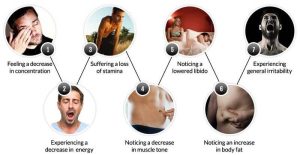
  • Difficulty Concentrating: A foggy mind and challenges in focusing.
  • Constant Fatigue: Overwhelming tiredness that persists throughout the day.
  • Daytime Sleepiness: Feeling excessively sleepy during waking hours.
  • Brain Fog: Difficulty in clear thinking and mental clarity.
  • Lack of Motivation: A noticeable decline in drive and enthusiasm.
Low Energy in Men
Image by: yandex.com

Causes of Low Energy in Men

  1. Dietary Factors:
    • Nutritional deficiencies or poor dietary choices contribute to low energy.
    • Emphasizing a healthful diet with an abundance of vegetables, whole grains, and proteins is pivotal for sustained energy levels.
  2. Exercise Patterns:
    • Prolonged periods without exercise can lead to a decline in energy levels.
    • Striking a delicate balance in exercise routines is crucial, as both too little and too much exercise can impact energy levels.
  3. Low Testosterone:
    • The natural decline in testosterone levels with age can affect mental and physical energy.
    • Symptoms encompass reduced stamina, heightened fatigue, and even depression.
  4. Sleep Apnea:
    • A prevalent sleep disorder where breathing is interrupted during sleep.
    • More common in men, it manifests with symptoms such as loud snoring and daytime sleepiness.
  5. Insomnia:
    • Sleep disturbances, particularly insomnia, contribute to low energy.
    • Causes can be diverse, encompassing physical, emotional, and psychological factors.
  6. Depression:
    • A medical condition that significantly impacts energy levels in men.
    • Symptoms may include sadness, irritability, and withdrawal from social and personal activities.
  7. Anemia:
    • Iron-deficiency anemia, often stemming from gastrointestinal bleeding.
    • Presents with symptoms of fatigue and diminished energy.
  8. Thyroid Disorders:
    • Hypothyroidism, affecting metabolism, is a potential cause of fatigue.
    • Symptoms include changes in appetite and sensitivity to cold.
  9. Medical Conditions:
    • Underlying health conditions such as diabetes or heart disease can contribute to fatigue.
    • Certain medications may also play a role in diminished energy levels.
Low Energy in Men
Image by: yandex.com

How Men Can Increase Energy Levels

  • Dietary Modifications:
    • Adopting a healthful, nutrient-rich diet comprising fruits, vegetables, lean proteins, and whole grains.
  • Exercise Regimen:
    • Regular, moderate exercise to stimulate hormones like testosterone and elevate overall energy levels.
  • Prioritizing Sleep:
    • Ensuring 7–8 hours of quality sleep with consistent bedtime habits.
  • Hydration Practices:
    • Staying adequately hydrated to prevent fatigue associated with dehydration.
Low Energy in Men
Image by: yandex.com

Summary

While occasional fatigue is considered a normal part of life, persistent low energy levels can significantly impact a man’s daily functioning. Empowering men to take charge of their well-being involves making nuanced lifestyle changes, addressing exercise routines, sleep patterns, and dietary habits. Should these modifications not yield the desired improvements, seeking professional medical advice is crucial to rule out underlying health conditions. In understanding the diverse causes and implementing positive changes, men can pave the way for increased energy, vitality, and an overall enhanced quality of life.

Introduction

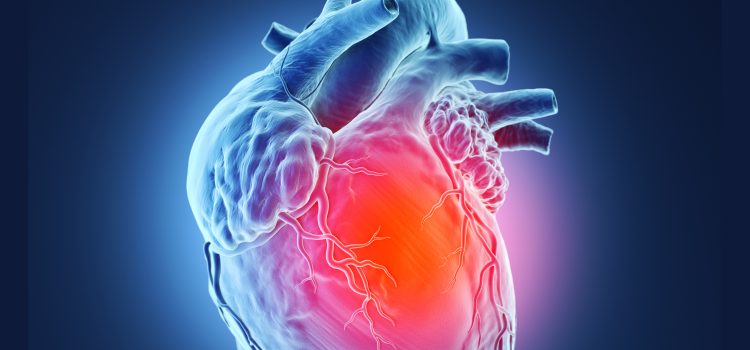
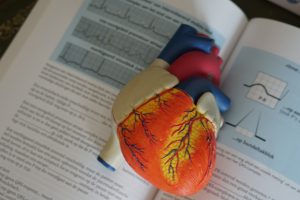
The human cardiovascular system is a marvel of precision and complexity, and at its core lie four indispensable heart valves. These valves orchestrate the unidirectional flow of blood through the heart, meticulously opening and closing with each heartbeat. In this comprehensive guide, we delve into the intricacies of these valves, shedding light on their functions, potential disorders, associated symptoms, and available treatment options.

Heart Valves
Photo by Robina Weermeijer on Unsplash

The Four Heart Valves

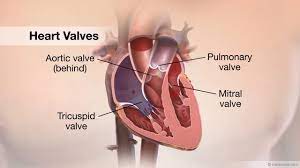
1. Tricuspid Valve

The tricuspid valve, aptly named for its three flaps or cusps, regulates the flow of blood from the right atrium to the right ventricle. Anomalies such as tricuspid atresia, where individuals are born without this valve, or conditions like regurgitation and stenosis can impact its proper operation.

2. Pulmonic Valve

Responsible for managing the passage of deoxygenated blood from the right ventricle to the lungs, the pulmonic valve plays a crucial role. Stenosis or regurgitation of this valve can develop over time, hindering its ability to function optimally.

3. Mitral Valve

Closing off the left atrium, the mitral valve facilitates the entry of oxygenated blood from the lungs into the left ventricle. Mitral valve prolapse, regurgitation, and stenosis are common issues associated with this valve, often arising from connective tissue disorders or heart-related events like a heart attack.

4. Aortic Valve

The final gatekeeper before oxygen-rich blood exits the heart to nourish the rest of the body, the aortic valve is of paramount importance. Aortic regurgitation or stenosis can compromise its efficiency, leading to potential complications.

Heart Valves
Image by: medmovie.com

Linked Diseases and Conditions

Understanding heart valve problems involves recognizing two primary categories:

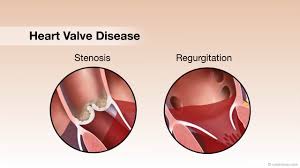
  • Regurgitation: Occurs when a valve fails to close fully, resulting in blood flowing backward. This can be primary valvular (related to the valve) or secondary valvular (related to the heart’s chambers).
  • Stenosis: Involves the thickening of valve tissue, restricting blood flow. Accumulation of calcium and deposits on the valve leaflets is a common cause. Over time, the heart thickens, posing a risk of severe illness or even death.
Heart Valves
Image by: medmovie.com

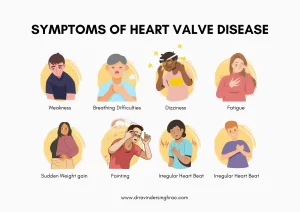
Symptoms of Heart Valve Problems

  • Dizziness or Fainting
  • Shortness of Breath
  • Heart Palpitations (Irregular Heartbeat)
  • Chest Pain
  • Unexplained Swelling in the Body
Heart Valves
Image by: www.drravindersinghrao.com

Causes and Risk Factors

  • Congenital Factors: Some individuals may be born with heart valve problems.
  • Aging: The natural aging process can contribute to wear and tear on the heart valves.
  • Chronic Illnesses: Conditions like diabetes or other diseases, such as carcinoid disease, can increase the risk.
  • Connective Tissue Disorders: Certain disorders affecting connective tissues may damage heart valves.
  • Lifestyle Choices: Unhealthy habits like smoking can elevate the risk of heart valve issues.
  • Secondary Valvular Problems: Enlargement of cardiac chambers or ventricles can lead to valve-related complications.
  • Calcium and Deposits: Accumulation of calcium and deposits on valve leaflets can result in stenosis.
  • Heart Attack: Events like heart attacks can damage the heart valves.
  • Untreated Valve Issues: Ignoring or not treating valve problems promptly can escalate the risk of complications.
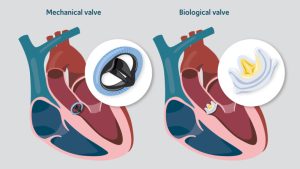
  • Environmental Factors: Exposures to environmental toxins may contribute to valve damage over time.
Heart Valves
Image by: www.reddycardiology.com

Treatment Options

  1. Surgical Intervention
    • Repairing Faulty Valves
    • Valve Replacement
    • Minimally Invasive Procedures
  2. Addressing Underlying Conditions
    • Medication
    • Lifestyle Modifications
  3. Comprehensive Treatment Plans
    • Tailored Approaches
    • Collaborative Care
  4. Monitoring and Follow-up
    • Regular Check-ups
    • Lifestyle Guidance
  5. Patient Education
    • Empowering Patients
    • Informed Decision-Making
Heart Valves
Image by: www.rbhh-specialistcare.co.uk

Conclusion

A profound understanding of heart valves is imperative for safeguarding cardiovascular health. Malfunctions in these intricate mechanisms can exert additional strain on the heart, heightening the risk of various cardiovascular conditions and complications. Swift consultation with healthcare professionals, accurate diagnosis, and tailored treatment plans are essential for mitigating these risks. For those experiencing symptoms or suspecting heart valve issues, seeking prompt medical attention is paramount to ensure a comprehensive and effective approach to managing these concerns.