In the realm of social media, ensuring user privacy has become a paramount concern. Facebook, a prominent player in the field, recently encountered a friend request glitch that inadvertently exposed users’ viewing patterns. This article delves into the details of the privacy breach, explores the implications for user data protection, and examines Facebook’s efforts to address the issue and enhance privacy measures.

The discovery of the friend request glitch, initially identified by astute security researchers, unveiled a vulnerability within Facebook’s privacy settings. Exploiting this loophole allowed unauthorized individuals to gain access to users’ profile information, inadvertently revealing their viewing patterns. This raised concerns regarding the unauthorized tracking of users’ interests, preferences, and potentially sensitive content they engage with on the platform.

The implications of this privacy breach are far-reaching, as it infringes upon user privacy and jeopardizes the confidentiality of personal data. Facebook, with its massive user base spanning billions globally, shoulders the responsibility of safeguarding vast amounts of user-generated content and personal information. The exposure of viewing patterns not only raises individual privacy concerns but also poses risks of misuse by malicious actors, such as targeted advertising, identity theft, or other forms of exploitation.

Responding promptly to the discovery of the friend request glitch, Facebook took decisive action to rectify the issue and fortify user data protection. The company’s dedicated team of engineers worked diligently to develop and deploy a comprehensive fix that effectively closed the vulnerability. Simultaneously, Facebook conducted an internal investigation to assess the impact of the glitch and ensure the implementation of robust measures to mitigate any potential harm caused.

Beyond resolving the immediate concern, Facebook proactively implemented additional measures to bolster user privacy and strengthen data protection practices. The platform introduced enhanced privacy controls, empowering users with greater control over their profile information and viewing patterns. By offering more granular privacy settings and improved visibility into data sharing, Facebook aims to provide users with the tools they need to safeguard their personal information.

While Facebook’s swift response and commitment to addressing the friend request glitch are commendable, this incident underscores the need for continuous vigilance regarding data privacy practices across social media platforms. The incident serves as a reminder that even established tech giants are not immune to vulnerabilities and breaches. Users must remain proactive in managing their privacy settings, exercising caution when sharing personal information online, and holding platforms accountable for data protection.

In addition to individual responsibility, this incident highlights the importance of comprehensive regulatory frameworks and oversight for social media platforms. Governments and regulatory bodies must collaborate with tech companies to establish robust privacy regulations that prioritize user data protection. Transparent policies, regular audits, and independent assessments can help rebuild trust in platforms like Facebook and ensure that incidents like the friend request glitch are effectively prevented in the future.

As users navigate the digital landscape, it is crucial to stay mindful of privacy considerations and take steps to protect personal information. Regularly reviewing privacy settings, being selective about sharing sensitive content, and utilizing available security features can help mitigate risks and strengthen online privacy.

In conclusion, the friend request glitch on Facebook exposed users’ viewing patterns, raising significant concerns for user privacy. Facebook’s swift response in addressing the issue and implementing enhanced privacy controls demonstrates its commitment to protecting user data. However, this incident emphasizes the ongoing need for robust privacy measures, user empowerment, and comprehensive regulatory frameworks to ensure the security and privacy of user information in the digital age.


TikTok, the globally recognized social media app, finds itself embroiled in a web of controversy as multiple countries attempt to ban or restrict its usage within their borders. What began as a viral sensation and a platform for creative expression has now become a subject of scrutiny and concern for governments around the world. This article delves into the reasons behind these ban attempts and explores the complexities surrounding TikTok’s global reputation.

The primary concern voiced by countries attempting to ban TikTok revolves around data privacy and security. As a Chinese-owned app, TikTok has faced persistent allegations that it shares user data with the Chinese government. These accusations have raised concerns among governments regarding the protection of their citizens’ personal information and the potential for foreign interference. In response, countries such as the United States, India, and Australia have taken steps to restrict or ban TikTok, citing national security as a significant factor in their decisions.

Beyond data privacy, cultural and ideological factors have also contributed to the resistance against TikTok. Some governments perceive the app as a potential threat to their cultural heritage and traditional values. The rapid spread of TikTok’s content, often characterized by short-form videos and viral challenges, has raised concerns among conservative societies about the erosion of cultural norms and the influence of foreign content on their youth.

Additionally, there are concerns surrounding the impact of TikTok on mental health and online safety. The app’s addictive nature and the potential for cyberbullying have raised red flags for authorities. Governments are grappling with how to regulate and protect their citizens, particularly vulnerable populations such as children and teenagers, from the potential harms associated with TikTok’s unfiltered content and interactive features.

However, it is essential to acknowledge that not all countries have taken a hostile stance towards TikTok. Many nations recognize the app’s popularity and the opportunities it presents for creativity, entertainment, and economic growth. These countries have opted for stricter regulations and oversight rather than outright bans. They aim to strike a balance between reaping the benefits of the app and addressing concerns related to data privacy and national security.

TikTok, for its part, has made efforts to address the concerns raised by governments and regain trust. The company has taken steps to establish transparency and enhance data security measures, including establishing local data centers and partnering with third-party auditors to ensure compliance with international standards. TikTok has also implemented stricter content moderation policies and enhanced safety features to protect users from harmful content and online abuse.

The global controversy surrounding TikTok serves as a reminder of the complex interplay between technology, culture, and national interests in the digital age. It highlights the challenges faced by governments in navigating the fine line between innovation and regulation, protecting citizens’ rights, and preserving cultural values. The case of TikTok exemplifies the increasing need for a comprehensive and nuanced approach to governing digital platforms in a globalized world.

The debate surrounding TikTok’s ban attempts also raises important questions about the role of international cooperation and regulatory frameworks in addressing the challenges posed by global platforms. As governments grapple with these issues, there is a growing recognition of the need for cross-border collaboration and standardized regulations to ensure the protection of user data, privacy, and national security, while still fostering innovation and global connectivity.

Ultimately, the fate of TikTok in various countries will depend on the outcome of ongoing discussions, legal battles, and the willingness of the platform to address concerns raised by governments. As the controversy unfolds, it is imperative to strike a balance that considers the interests of users, governments, and the platform itself.

In a continuous effort to redefine the online shopping experience, e-commerce giant Amazon is preparing to introduce a groundbreaking feature that promises to revolutionize the way users search for products on its platform. Inspired by OpenAI’s ChatGPT, Amazon’s new chat-style search functionality aims to provide customers with a more intuitive, personalized, and seamless shopping experience.

The advent of chat-style search represents a significant departure from traditional keyword-based searches that have long been the norm in e-commerce. By harnessing the power of artificial intelligence and natural language processing, Amazon is poised to transform the way users interact with its platform, making the search process more conversational, dynamic, and engaging.

With the integration of ChatGPT-style search, Amazon is taking a giant leap forward in understanding and responding to user intent. Instead of relying on static keywords, customers will be able to engage in natural language conversations with the search engine, enabling them to express their preferences and requirements in a more nuanced and contextually rich manner. This interactive approach holds the promise of delivering more accurate and tailored search results, ensuring that customers find exactly what they’re looking for.

One of the key advantages of chat-style search is its ability to replicate the personalized assistance one might receive from a knowledgeable salesperson in a brick-and-mortar store. By simulating a conversation, Amazon’s search engine can ask follow-up questions, seek clarifications, and provide real-time recommendations based on the customer’s inputs. This level of interactivity creates a more human-like and intuitive shopping experience, enhancing customer satisfaction and driving engagement.

Moreover, chat-style search opens up new avenues for product discovery. By engaging in a conversation with the search engine, customers are encouraged to explore different options, ask for suggestions, and receive personalized recommendations. This dynamic process facilitates serendipitous discoveries and introduces users to products they may not have otherwise considered, making the shopping journey more exciting and enjoyable.

As with any innovation, the introduction of chat-style search raises important considerations regarding privacy and data security. Engaging in conversational interactions with the search engine means users may share more information about their preferences and needs. Amazon must prioritize stringent data protection measures to safeguard customer privacy, ensuring that user data is handled securely and transparently.

From a business perspective, chat-style search presents immense opportunities for Amazon. The feature not only enhances the user experience but also provides invaluable insights into customer preferences, enabling the company to refine its product offerings, personalize recommendations, and strengthen customer loyalty. By leveraging the power of AI, Amazon can further cement its position as a leader in the e-commerce space and continue to innovate within the industry.

While chat-style search is poised to transform the online shopping landscape, it is important to note that it is not meant to replace traditional keyword-based searches. The two approaches serve different purposes and cater to different user needs. Keyword-based searches remain effective when users have specific products or attributes in mind, while chat-style search excels in providing personalized and exploratory shopping experiences.

As Amazon prepares to roll out its chat-style search feature, it must prioritize user education and seamless integration. Clear instructions, intuitive interfaces, and accessible support channels will be vital in ensuring that customers can easily adapt to and make the most of this innovative functionality.

In a surprising turn of events, the European Union (EU) has provided a glimmer of hope to the proposed partnership between tech giant Microsoft and gaming powerhouse Activision Blizzard. This decision not only defies the opposition from the United Kingdom but also sheds light on the divergent regulatory approaches of these influential entities. As the future of the gaming industry hangs in the balance, questions arise about the potential impact on corporate mergers and the evolving digital landscape.

The potential acquisition of Activision Blizzard by Microsoft, valued at a staggering $68.7 billion, has been the subject of intense scrutiny and debate within the gaming industry and regulatory bodies worldwide. While Microsoft has expressed confidence in obtaining the necessary approvals, the United Kingdom’s Competition and Markets Authority (CMA) has taken a firm stance against the deal, citing concerns about potential anti-competitive practices and consumer choice.

However, the EU’s conditional approval of the partnership has injected a flicker of hope into the proceedings. Emma Navarro, the EU’s competition commissioner, stated that the decision was contingent upon certain safeguards being implemented to ensure fair competition and protect consumer interests. This unexpected development has not only challenged the UK’s position but also ignited discussions surrounding regulatory practices and approaches.

The EU’s decision suggests a more nuanced understanding of the gaming industry and the potential benefits that could result from the Microsoft-Activision partnership. Supporters argue that the acquisition has the potential to drive innovation, enhance gaming experiences, and leverage Microsoft’s technological capabilities. Furthermore, Microsoft’s successful track record in integrating and nurturing acquired companies has instilled confidence in the potential positive outcomes of the partnership.

However, skeptics, including consumer advocacy groups, raise concerns about the consolidation of power and its impact on consumer choice. They fear that the partnership could stifle competition and limit the diversity of gaming options available to players. The UK’s CMA has reiterated its reservations, emphasizing the need for thorough analysis and stringent conditions to address potential anti-competitive practices.

The EU’s decision underscores the growing divide in regulatory approaches between the EU and the UK, highlighting the complexities faced by regulators in overseeing large-scale corporate mergers. By considering conditional approval with carefully crafted safeguards, the EU aims to strike a balance between fostering competition and facilitating beneficial business transactions.

This contrasting stance between the EU and the UK raises broader questions about the implications for future mergers and acquisitions, not only in the gaming industry but also across other sectors. As technology continues to reshape the global marketplace, regulators face the challenge of maintaining a delicate equilibrium between promoting innovation and safeguarding consumer interests.

Industry experts and analysts closely monitor the Microsoft-Activision partnership, anticipating potential ripple effects throughout the gaming industry. If the acquisition moves forward, Microsoft’s expanded portfolio would position it as a dominant player, reshaping the competitive landscape and prompting other industry participants to reevaluate their strategies.

While the EU’s conditional approval offers a flicker of hope, significant hurdles lie ahead for Microsoft and Activision. Both parties must navigate the intricate web of regulatory requirements and address concerns raised by stakeholders to move closer to finalizing the partnership. The ultimate decision will have far-reaching implications for the gaming industry, influencing competition, innovation, and the choices available to millions of gamers worldwide.

The EU’s decision not only defies the UK’s stance but also reverberates within the gaming community and beyond. It serves as a reminder of the complex and divergent regulatory approaches across different jurisdictions, shaped by their unique circumstances and priorities.

As the Microsoft-Activision partnership reaches a critical juncture, all eyes are on the regulatory authorities to determine its fate.

India’s automobile industry has been on the rise in recent years, with companies such as Maruti Suzuki leading the way. In a recent interview, Maruti Suzuki’s Chairman, RC Bhargava, predicted that India’s auto industry is on track to overtake the United States and China, becoming the world’s largest auto market.
Bhargava’s prediction is based on several factors, including India’s large and growing middle class, government support for electric vehicles, and the innovative spirit of Indian companies. He believes that these factors, combined with the country’s low labor costs and favorable business environment, will help India become a global leader in the auto industry.
One of the key factors driving India’s rise as an auto manufacturing hub is the country’s large and growing middle class. As incomes rise and more people enter the middle class, there is a growing demand for cars and other consumer goods. This has led to a surge in demand for cars in India, with sales expected to reach 5 million units by 2025.
Bhargava believes that Maruti Suzuki is well-positioned to take advantage of this trend, thanks to its focus on affordability and quality. The company has a wide range of models, from entry-level hatchbacks to premium SUVs, and has been able to maintain its position as the market leader by offering high-quality cars at affordable prices.
Another factor driving India’s rise as an auto manufacturing hub is the government’s push for electric vehicles. In recent years, the Indian government has introduced a number of incentives and policies to encourage the adoption of electric vehicles, including tax breaks, subsidies, and the establishment of charging infrastructure.
Bhargava believes that Maruti Suzuki is well-positioned to take advantage of this trend as well, thanks to its partnership with Toyota. The two companies have announced plans to jointly develop electric vehicles for the Indian market, and Bhargava believes that this partnership will help Maruti Suzuki stay ahead of the curve in the rapidly evolving auto industry.
However, there are also challenges facing the Indian automobile industry, including rising fuel prices, increasing competition from foreign automakers, and the need to invest in new technologies such as electric and autonomous vehicles. Bhargava acknowledges these challenges, but believes that India has the potential to overcome them and become a leading auto manufacturer in the world.
Bhargava’s prediction that India’s auto industry will overtake the United States and China is ambitious, but not impossible. India has a large and growing market, a favorable business environment, and a talented workforce. If the country can continue to invest in new technologies and maintain its focus on affordability and quality, it has the potential to become a global leader in the auto industry.
In conclusion, RC Bhargava’s prediction that India’s auto industry will overtake the United States and China is a testament to the country’s growing middle class, government support for electric vehicles, and the innovative spirit of Indian companies. While there are challenges facing the industry, Bhargava’s optimism and confidence in the future of the Indian automobile industry is a positive sign for the country’s economy and its people.
MG Motors, the British car manufacturer, has been making waves in the Indian automobile industry with its range of SUVs – the Hector, Astor, and Gloster. These SUVs have become popular choices among Indian car buyers, thanks to their advanced features, stylish design, and competitive pricing. However, the recent surge in demand has led to a revision in the prices of these SUVs, with prices getting a significant boost.
The MG Hector, which was launched in 2019, has been a runaway success for the company. The SUV has been praised for its spacious interiors, advanced features, and powerful engine. However, the recent surge in demand has led to a revision in the prices of the Hector, with prices getting a significant boost.
The base model of the MG Hector now starts at Rs. 14.99 lakhs, up from its earlier price of Rs. 14.49 lakhs. The top-end model of the Hector, which comes with a range of advanced features, now costs Rs. 21.52 lakhs, up from its earlier price of Rs. 20.99 lakhs.
The MG Astor, which was launched in September 2021, has also seen a surge in demand. The SUV has been praised for its advanced features, including Level 2 autonomous driving capabilities, and its stylish design. However, the recent surge in demand has led to a revision in the prices of the Astor, with prices getting a significant boost.
The base model of the MG Astor now starts at Rs. 10.99 lakhs, up from its earlier price of Rs. 10.49 lakhs. The top-end model of the Astor, which comes with a range of advanced features, now costs Rs. 18.08 lakhs, up from its earlier price of Rs. 17.47 lakhs.
The MG Gloster, which was launched in October 2020, has also seen a surge in demand. The SUV has been praised for its spacious interiors, advanced features, and powerful engine. However, the recent surge in demand has led to a revision in the prices of the Gloster, with prices getting a significant boost.
The base model of the MG Gloster now starts at Rs. 30.98 lakhs, up from its earlier price of Rs. 30.38 lakhs. The top-end model of the Gloster, which comes with a range of advanced features, now costs Rs. 38.28 lakhs, up from its earlier price of Rs. 37.67 lakhs.
The price hike for the MG Hector, Astor, and Gloster is a reflection of the SUVs’ popularity and the company’s commitment to innovation and design. The SUVs have become popular choices among Indian car buyers, thanks to their advanced features, stylish design, and competitive pricing.
While some may criticize the price hike, others see it as a necessary step to maintain the quality and features of these SUVs. Regardless of one’s opinion, there is no denying that the MG Hector, Astor, and Gloster have become popular choices among Indian car buyers, and are a testament to the company’s success in the Indian automobile industry.
In conclusion, the recent price hike for the MG Hector, Astor, and Gloster is a reflection of the SUVs’ popularity and the company’s commitment to innovation and design. While some may criticize the price hike, others see it as a necessary step to maintain the quality and features of these SUVs. Regardless of one’s opinion, there is no denying that the MG Hector, Astor, and Gloster have become popular choices among Indian car buyers, and are a testament to the company’s success in the Indian automobile industry.
The National Highway Traffic Safety Administration (NHTSA) has announced a massive air-bag recall following an eight-year investigation into the safety of air bags manufactured by Takata Corporation. The recall affects millions of vehicles across multiple brands, and is one of the largest recalls in automotive history.
The investigation into Takata air bags began in 2014, after reports of air bags rupturing and causing injuries and deaths. The NHTSA found that the air bags were prone to rupturing due to a defect in the inflator, which could cause metal fragments to be sprayed into the vehicle’s cabin.
The recall affects vehicles from multiple brands, including Honda, Toyota, Ford, and General Motors. The affected vehicles were manufactured between 2002 and 2015, and include both passenger cars and trucks.
The recall is expected to cost automakers billions of dollars, and will take years to complete. In the meantime, owners of affected vehicles are being urged to take their vehicles to a dealership for repairs as soon as possible.
The recall is a reminder of the importance of vehicle safety, and the need for automakers to take responsibility for the safety of their products. While the recall will be costly and time-consuming, it is necessary to ensure the safety of drivers and passengers on the road.
The Takata Air Bag Recall: A Brief History
The Takata air bag recall is one of the largest recalls in automotive history, affecting millions of vehicles across multiple brands. The recall began in 2014, after reports of air bags rupturing and causing injuries and deaths.
The problem with the air bags was traced to a defect in the inflator, which could cause the air bag to rupture and send metal fragments flying into the vehicle’s cabin. The defect was caused by the use of ammonium nitrate as a propellant in the inflator, which could break down over time and become unstable.
The recall initially affected a few hundred thousand vehicles, but quickly grew to include millions of vehicles across multiple brands. The recall has been complicated by the fact that the affected vehicles were manufactured over a period of more than a decade, and that the defect was not immediately apparent.
The recall has also been complicated by the fact that Takata, the manufacturer of the air bags, filed for bankruptcy in 2017. The bankruptcy has made it more difficult for affected consumers to receive compensation for their losses.
The Impact of the Recall
The Takata air bag recall has had a significant impact on the automotive industry, affecting millions of vehicles across multiple brands. The recall has also had a significant financial impact, with automakers expected to spend billions of dollars on repairs and compensation.
The recall has also had a significant impact on consumer confidence in the automotive industry. The recall has raised questions about the safety of vehicles, and has led many consumers to question whether automakers are doing enough to ensure the safety of their products.
The recall has also highlighted the need for greater oversight and regulation of the automotive industry. The NHTSA has been criticized for its handling of the recall, and for its failure to take action sooner to address the safety issues with the air bags.
Moving Forward
The Takata air bag recall is a reminder of the importance of vehicle safety, and the need for automakers to take responsibility for the safety of their products. While the recall will be costly and time-consuming, it is necessary to ensure the safety of drivers and passengers on the road.
Moving forward, the automotive industry must take steps to ensure that similar safety issues do not arise in the future. This will require greater oversight and regulation of the industry, as well as greater transparency and accountability from automakers.
Consumers also have a role to play in ensuring the safety of their vehicles. Owners of affected vehicles should take their vehicles to a dealership for repairs as soon as possible, and should stay informed about any future recalls or safety issues.
In conclusion, the massive air-bag recall announced following an eight-year investigation is a reminder of the importance of vehicle safety, and the need for automakers to take responsibility for the safety of their products. The recall affects millions of vehicles across multiple brands, and is one of the largest recalls in automotive history. While the recall will be costly and time-consuming, it is necessary to ensure the safety of drivers and passengers on the road. Moving forward, the automotive industry must take steps to ensure that similar safety issues do not arise in the future, and consumers must stay informed and take action to ensure the safety of their vehicles.
Tesla, the electric car manufacturer, has been at the forefront of the green energy revolution for years. However, the company’s board is now facing a shareholder rebellion over CEO Elon Musk’s power. Musk, who is known for his controversial statements and actions, has been accused of wielding too much power over the company, and some shareholders are calling for greater oversight and accountability.
The controversy began when Musk tweeted that he was considering taking Tesla private, and had secured funding to do so. The tweet caused a stir in the financial world, and led to an investigation by the Securities and Exchange Commission (SEC). Musk eventually settled with the SEC, agreeing to step down as chairman of Tesla’s board and pay a $20 million fine.
However, some shareholders are still concerned about Musk’s power over the company. They argue that Musk’s tweets and other actions have caused significant volatility in Tesla’s stock price, and that his behavior is not in the best interests of the company or its shareholders.
One shareholder, who wished to remain anonymous, told me that “Musk’s behavior is erratic and unpredictable. He seems to be more interested in promoting himself than in running the company. We need greater oversight and accountability to ensure that Tesla is being run in the best interests of its shareholders.”
Other shareholders have expressed similar concerns, and some have even called for Musk to step down as CEO of the company. However, Musk remains popular with many Tesla fans and supporters, who see him as a visionary leader who is pushing the boundaries of what is possible in the world of electric cars.
In response to the shareholder rebellion, Tesla’s board has promised to take steps to increase oversight and accountability. The board has appointed two new independent directors, and has promised to establish a new committee to oversee Musk’s communications with investors.
However, some shareholders remain skeptical. They argue that the board has not done enough to rein in Musk’s power, and that more needs to be done to ensure that the company is being run in the best interests of its shareholders.
The controversy over Musk’s power at Tesla is just the latest in a series of challenges facing the company. Tesla has faced criticism over its production delays, quality control issues, and safety concerns. The company has also been hit by a number of high-profile departures, including the departure of its chief financial officer and head of engineering.
Despite these challenges, Tesla remains a major player in the electric car market, and is widely seen as a leader in the green energy revolution. However, the company’s future is far from certain, and much will depend on how it responds to the challenges it faces in the coming months and years.
In conclusion, the shareholder rebellion over Elon Musk’s power at Tesla is a sign of the growing concern among investors about the company’s future. While Musk remains popular with many Tesla fans and supporters, some shareholders are calling for greater oversight and accountability to ensure that the company is being run in the best interests of its shareholders. The controversy over Musk’s power is just the latest in a series of challenges facing Tesla, and the company’s future is far from certain. However, with its innovative technology and commitment to green energy, Tesla remains a major player in the electric car market, and is likely to continue pushing the boundaries of what is possible in the years to come.
The airline industry has long been criticized for its lack of diversity and cultural sensitivity. However, in recent years, several US air carriers have taken steps to address this issue, by introducing new, culturally sensitive plane designs that reflect the unique cultures and identities of their customers.
Delta Airlines, for example, recently unveiled their new A220 aircraft, which features a design inspired by the vibrant colors and patterns of West African textiles. The design was created in collaboration with Nigerian-born artist, Victor Ekpuk, and reflects the airline’s commitment to diversity and inclusion.
Similarly, Alaska Airlines has introduced their new Boeing 737-900ER aircraft, which features a design inspired by the vibrant colors and patterns of Native Alaskan art. The design was created in collaboration with Tlingit artist, Tlingit artist, and reflects the airline’s commitment to honoring the cultures and traditions of the communities they serve.
United Airlines has also joined the trend, with the introduction of their new Boeing 737-800 aircraft, which features a design inspired by the vibrant colors and patterns of the cultures of Hawaii. The design was created in collaboration with local artists and reflects the airline’s commitment to celebrating the unique cultures and identities of their customers.
These new plane designs are a sign of the growing importance of diversity and cultural sensitivity in the airline industry, as airlines seek to reflect the values and aspirations of their customers. The new designs are thoughtfully crafted to reflect the unique cultures and identities of the airlines, and to create a sense of connection and community among passengers.
Delta Airlines’ A220 aircraft, for example, features a design inspired by West African textiles, which are known for their vibrant colors and intricate patterns. The design reflects the airline’s commitment to diversity and inclusion, and to celebrating the rich cultural heritage of West Africa.
Similarly, Alaska Airlines’ Boeing 737-900ER aircraft features a design inspired by Native Alaskan art, which is known for its bold colors and intricate designs. The design reflects the airline’s commitment to honoring the cultures and traditions of the communities they serve, and to creating a sense of connection and community among passengers.
United Airlines’ Boeing 737-800 aircraft also reflects the company’s commitment to diversity and cultural sensitivity, with a design inspired by the vibrant colors and patterns of the cultures of Hawaii. The design reflects the airline’s commitment to celebrating the unique cultures and identities of their customers, and to creating a sense of connection and community among passengers.
Overall, the new plane designs are a welcome addition to the airline industry, and a sign of the growing importance of diversity and cultural sensitivity in the sector. As airlines continue to innovate and adapt to the changing needs of consumers, we can expect to see more thoughtfully crafted designs and amenities that reflect the unique cultures and identities of their customers.
However, it is important to note that the airline industry still has a long way to go in terms of diversity and inclusion. While the new plane designs are a step in the right direction, there is still much work to be done to ensure that the industry is truly representative of the diverse communities it serves.
In conclusion, the new, culturally sensitive plane designs introduced by US air carriers are a testament to the power of diversity and inclusion, and a sign of the growing importance of cultural sensitivity in the airline industry. As airlines continue to evolve and adapt to the changing needs of consumers, we can expect to see more thoughtfully crafted designs and amenities that reflect the unique cultures and identities of their customers, and that create a sense of connection and community among passengers.
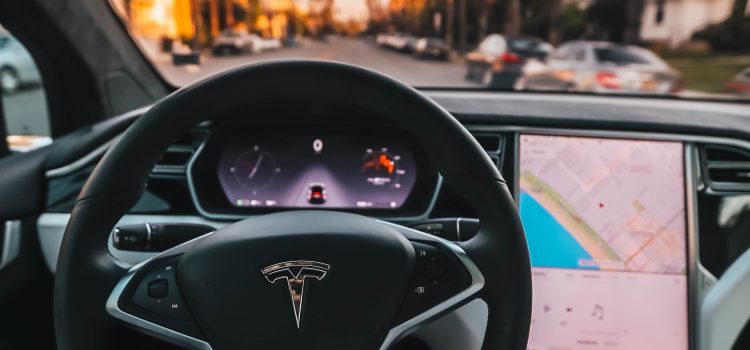
Tesla, the electric vehicle giant, is embarking on an Indian adventure as it seeks to explore a promising market beyond China and tap into one of the world’s largest untapped markets for electric vehicles.
According to reports, Tesla executives are set to visit India in the coming weeks to explore potential opportunities for the company in the country. The move comes as Tesla looks to expand its global footprint and capitalize on the growing demand for electric vehicles around the world.
India is seen as a key market for electric vehicles, with the government pushing for a transition to electric vehicles in order to reduce pollution and dependence on fossil fuels. However, the market has been slow to take off, with high prices and limited infrastructure holding back adoption.
Tesla’s entry into the Indian market could be a game-changer, however, as the company’s brand recognition and reputation for innovation could help to drive adoption and spur investment in charging infrastructure.
The move also comes as Tesla looks to diversify its global operations and reduce its dependence on China, which has been a key market for the company in recent years. With tensions between the US and China on the rise, Tesla is looking to expand into new markets and reduce its exposure to geopolitical risks.
India represents a significant opportunity for Tesla, with a population of over 1.3 billion and a growing middle class that is increasingly interested in electric vehicles. However, the company will face significant challenges in the market, including high import duties and a lack of charging infrastructure.
Despite these challenges, Tesla’s entry into the Indian market is a positive development for the electric vehicle industry as a whole, and a testament to the growing demand for sustainable transportation around the world.
The visit by Tesla executives marks the beginning of an Indian adventure, as the company seeks to navigate the complex regulatory environment in India and build relationships with key stakeholders in the market. However, if successful, the move could help to establish Tesla as a major player in the Indian market and drive adoption of electric vehicles in the country.
The move also highlights the importance of innovation and adaptability in the electric vehicle industry, as companies like Tesla seek to stay ahead of the curve and meet the evolving needs of consumers around the world.
As the world continues to grapple with the challenges posed by climate change and the need to transition to a more sustainable economy, electric vehicles are likely to play an increasingly important role in the transportation sector. Tesla’s Indian adventure is a step in the right direction, and a sign of the company’s commitment to driving innovation and sustainability around the world.
Overall, Tesla’s entry into the Indian market is a positive development for the electric vehicle industry, and a sign of the growing demand for sustainable transportation around the world. As the industry continues to evolve and expand, it will be important for companies like Tesla to remain focused on innovation and adaptability in order to stay ahead of the curve and meet the evolving needs of consumers.