Introduction:

Ludwig van Beethoven, the renowned composer of the classical era, has long captivated the world with his brilliant compositions and enigmatic personal life. Despite his lasting impact on music, the details of Beethoven’s genealogy have remained shrouded in mystery. However, recent breakthroughs in scientific analysis, specifically the examination of Beethoven’s preserved hair samples, have offered unprecedented insights into the composer’s family history. In this article, we delve into the remarkable story of how these humble strands of hair have unraveled the mystery surrounding Beethoven’s genealogy, forever altering our understanding of his lineage.

1. The Quest for Clues:

For centuries, scholars and historians have embarked on a quest to trace Beethoven’s ancestry, seeking to shed light on the influences that shaped his musical genius. However, limited historical records and gaps in the composer’s personal documentation made this task incredibly challenging. Nevertheless, the advent of scientific advancements provided a glimmer of hope for a breakthrough.

2. Beethoven’s Hair: A Time Capsule:

Preserved locks of Beethoven’s hair, carefully safeguarded for more than two centuries, emerged as a potential goldmine of genetic information. These strands held the potential to unlock the secrets of Beethoven’s genealogy, offering a glimpse into his familial ties and potentially revealing unknown relatives.

3. The Science of DNA Analysis:

Scientists and geneticists embarked on a meticulous journey to extract and analyze DNA from Beethoven’s hair samples. Through advanced DNA sequencing and comparison techniques, they aimed to unravel the composer’s genetic makeup, identify potential relatives, and shed light on his familial heritage.

4. Unexpected Revelations:

The analysis of Beethoven’s DNA yielded astonishing revelations that transformed our understanding of his genealogy. Researchers discovered previously unknown family connections, challenging existing narratives and providing fresh perspectives on Beethoven’s lineage. These findings not only uncovered hidden branches of the composer’s family tree but also raised intriguing questions about the influences that shaped his musical development.

5. A Journey through Generations:

The revelations from Beethoven’s genealogy have allowed us to trace his familial connections across generations. By piecing together the puzzle of his family history, researchers have been able to shed light on the individuals who influenced and inspired the composer throughout his life. From distant relatives to close kin, these connections offer a deeper appreciation for the personal and cultural contexts that contributed to Beethoven’s artistic legacy.

6. Exploring Ancestral Influences:

Understanding Beethoven’s genealogy has also shed light on the potential ancestral influences that may have shaped his musical style. By examining the backgrounds and artistic inclinations of his newfound relatives, researchers can draw connections between their creative pursuits and Beethoven’s own compositions. This insight adds a richer dimension to our appreciation of his works, unveiling the intertwined tapestry of family and artistic inspiration.

7. Ethical Considerations and Historical Preservation:

The use of Beethoven’s hair samples for DNA analysis raises ethical considerations regarding the posthumous examination of historical figures. While these discoveries have expanded our understanding of Beethoven’s genealogy, it is essential to approach such research with sensitivity, ensuring that the privacy and dignity of the deceased and their descendants are respected.

Conclusion:

The unravelling of Beethoven’s genealogy through the analysis of his preserved hair samples marks a groundbreaking moment in our understanding of the composer’s life and legacy. By delving into the secrets locked within these strands, scientists have rewritten the narrative of his genealogy, revealing previously unknown relatives and ancestral influences. This newfound knowledge not only enriches our appreciation of Beethoven’s musical genius but also emphasizes the interconnectedness of personal history and artistic expression. As we continue to explore the legacies of historical figures

, it is crucial to strike a balance between scientific inquiry and ethical considerations, ensuring that our pursuit of knowledge respects the dignity of those who came before us.


 

Introduction:
In 2017, astronomers and space enthusiasts were captivated by the mysterious object named ‘Oumuamua, which zoomed through our solar system, sparking speculation about its origins and the possibility of it being an extraterrestrial spacecraft. However, after careful analysis and extensive research, scientists have determined that ‘Oumuamua is not evidence of alien life but rather a fascinating interstellar visitor with natural origins. In this article, we will delve into the scientific findings that debunk the notion of ‘Oumuamua being an alien spacecraft and shed light on its true nature.

1. A Cosmic Visitor:
‘Oumuamua, which means “scout” or “messenger” in Hawaiian, is the first known object to enter our solar system from interstellar space. Its discovery opened up exciting opportunities to study objects originating from distant star systems and gain insights into the broader universe.

2. Shape and Composition:
Initially, the elongated shape of ‘Oumuamua sparked speculation that it could be an artificial object. However, subsequent observations and data analysis revealed that its shape resembles that of a natural asteroid or comet, rather than a purposefully designed spacecraft. The object’s peculiar shape is now believed to have been sculpted by natural processes during its long interstellar journey.

3. Lack of Technological Signatures:
Scientists meticulously examined ‘Oumuamua for any signs of artificial technology or intentional design. No artificial signals, such as radio emissions or unusual patterns of light, were detected. The absence of any technological signatures further supports the conclusion that ‘Oumuamua is a natural object.

4. Acceleration and Outgassing:
One of the intriguing aspects of ‘Oumuamua was its unexpected acceleration as it passed through our solar system. Some speculated that this acceleration could be the result of an alien propulsion system. However, further analysis revealed that ‘Oumuamua’s acceleration can be explained by natural phenomena, such as outgassing caused by the heating of volatile materials on its surface by sunlight.

5. Solar System Origins:
Studies of ‘Oumuamua’s trajectory and velocity indicate that it originated from another star system. Its entry into our solar system was likely the result of gravitational interactions with other celestial bodies. This suggests that ‘Oumuamua is part of the vast population of interstellar objects wandering through space.

6. Scientific Consensus:
The scientific community, through extensive research and peer-reviewed studies, has reached a consensus that ‘Oumuamua is not of extraterrestrial origin. Leading astronomers and experts agree that the available evidence supports a natural explanation for its characteristics and behavior.

7. The Importance of Critical Thinking:
The ‘Oumuamua phenomenon highlights the need for critical thinking and rational evaluation of scientific evidence. While the idea of extraterrestrial life captures our imagination, it is crucial to rely on sound scientific methods and evidence-based conclusions. Scientists diligently pursued investigations to uncover the truth behind ‘Oumuamua, showcasing the importance of objective analysis in the face of sensationalism.

Conclusion:
Although the initial excitement surrounding ‘Oumuamua fueled speculation about the possibility of alien life, the scientific community has established that it is not evidence of extraterrestrial visitation. Instead, ‘Oumuamua represents an extraordinary opportunity to study an interstellar object and learn more about the dynamics of our universe. The pursuit of knowledge and the exploration of cosmic phenomena continue to drive scientific advancements, ensuring that our understanding of the cosmos is grounded in evidence-based research.

Introduction:
As the effects of climate change become increasingly evident, the world is at a critical juncture where decisions made today will shape the future for generations to come. Failing to address climate change now comes with significant consequences that extend beyond the immediate environmental impacts. In this article, we will explore the cost of inaction on climate change and the far-reaching implications it holds for our planet and future generations.

Environmental Consequences:
The first and most obvious cost of inaction is the exacerbation of environmental degradation. Rising global temperatures, melting ice caps, extreme weather events, and the loss of biodiversity will become more severe and widespread if we do not take immediate and decisive action. The delicate balance of ecosystems will continue to be disrupted, leading to the loss of valuable habitats, species extinction, and irreparable damage to our natural resources.

Humanitarian Crisis:
Failing to address climate change will undoubtedly result in a humanitarian crisis of unprecedented proportions. Increased frequency and intensity of natural disasters, including hurricanes, droughts, and floods, will displace millions of people from their homes, leading to forced migration, conflicts over resources, and heightened social tensions. The most vulnerable populations, including those in low-lying coastal areas and developing countries, will bear the brunt of the consequences.

Economic Impact:
The economic cost of inaction on climate change is staggering. The disruption to agricultural systems, water scarcity, and damage to infrastructure will have far-reaching economic implications. The World Bank estimates that the cost of adapting to climate change could reach $100 billion per year by 2050. Additionally, the financial burden of dealing with the aftermath of climate-related disasters will continue to escalate, straining public resources and hindering economic growth.

Health Implications:
Climate change poses significant risks to human health. The spread of infectious diseases, increased exposure to air pollution, heat-related illnesses, and food and waterborne diseases are among the health consequences of a warming planet. The burden on healthcare systems will intensify, putting additional strain on already limited resources. The cost of treating climate-related health conditions will continue to rise, impacting individuals, communities, and healthcare budgets.

Inter-generational Justice:
One of the most profound costs of inaction is the moral responsibility we bear towards future generations. By failing to take decisive action on climate change, we are compromising the well-being and opportunities of our children and grandchildren. The decisions made today will shape the world they inherit, and denying them a habitable planet is an ethical issue that cannot be ignored. We owe it to future generations to leave behind a sustainable and resilient world.

Opportunity Cost:
In addition to the direct costs of inaction, there is also an opportunity cost associated with failing to address climate change. By neglecting investments in renewable energy, sustainable infrastructure, and green technologies, we miss out on the economic and job creation potential of the clean energy transition. Ignoring climate change also means missing the opportunity to foster innovation, drive technological advancements, and create a more sustainable and prosperous future.

Conclusion:
The cost of inaction on climate change goes far beyond the immediate environmental impacts. It encompasses the loss of biodiversity, the displacement of populations, economic repercussions, health implications, and a moral responsibility to future generations. Failing to address climate change now will result in irreversible damage that will impact the planet for centuries to come. It is imperative that we act with urgency, implement bold policies, and make the necessary investments to mitigate and adapt to the effects of climate change. The time for action is now, and the cost of inaction is simply too high to ignore.

The Canadian Space Agency (CSA) has selected two highly trained astronauts to participate in the Artemis program, which aims to land the first woman and the next man on the Moon by 2024. Jeremy Hansen and Joshua Kutryk are poised to make history as they become the first Canadian astronauts to set foot on the lunar surface. Let’s take a closer look at the Artemis program and the role of the Canadian astronauts in this historic mission.

The Artemis Program

The Artemis program is NASA’s ambitious plan to return humans to the Moon and establish a sustainable presence on the lunar surface. The program is named after the Greek goddess of the Moon and is designed to build on the successes of the Apollo missions in the 1960s and 1970s.

The Artemis program has several key objectives, including:

– Landing the first woman and the next man on the Moon by 2024
– Establishing a sustainable presence on the lunar surface by 2028
– Conducting scientific research and exploration on the Moon
– Preparing for future missions to Mars and beyond

The Role of Canadian Astronauts

Jeremy Hansen and Joshua Kutryk were selected by the Canadian Space Agency to participate in the Artemis program. Both astronauts have undergone extensive training and preparation for the mission, which will involve landing on the lunar surface and conducting a variety of scientific experiments and research projects aimed at advancing our understanding of the Moon and its potential as a resource for future space exploration.

In addition to their scientific work, the Canadian astronauts will also be involved in the construction and maintenance of the Lunar Gateway. This will involve working with their American counterparts to assemble and maintain the various components of the space station, as well as conducting spacewalks and other maintenance tasks.

Preparing for the Mission

Hansen and Kutryk have been undergoing extensive training and preparation for the Artemis mission. This includes training in a variety of areas, such as spacewalks, robotics, and scientific research.

The astronauts have also been working closely with their American counterparts to prepare for the mission. This includes training on the Orion spacecraft, which will transport the astronauts to and from the lunar surface, as well as training on the Lunar Gateway and other key components of the mission.

Breaking Barriers in Space

The selection of Hansen and Kutryk for the Artemis program represents a major milestone in the history of Canadian space exploration. They are poised to become the first Canadian astronauts to set foot on the lunar surface, breaking barriers and paving the way for future generations of Canadian space explorers.

Their participation in the Artemis program also represents a significant contribution to international cooperation in space exploration. By working together, NASA and the Canadian Space Agency are helping to push the boundaries of what is possible in space exploration and inspire the next generation of scientists and explorers.

Conclusion

The Artemis program represents a new era of space exploration, with a focus on sustainability and scientific research. The selection of Canadian astronauts Jeremy Hansen and Joshua Kutryk for the mission represents a major milestone in the history of Canadian space exploration and a significant contribution to international cooperation in space exploration.

As the Artemis program takes shape, we can look forward to exciting new discoveries and achievements in the years to come, paving the way for future missions to Mars and beyond. The participation of Canadian astronauts in this historic mission is a testament to the power of international cooperation and the importance of breaking barriers in space exploration.


El Niño and climate change are two major environmental issues that have captured the attention of scientists and policymakers around the world. While they are distinct phenomena, there is a growing body of evidence suggesting a link between the two. In this article, we will explore the connection between El Niño and climate change, shedding light on the complex relationship and its implications for our planet.

El Niño, a climate phenomenon characterized by warmer than usual sea surface temperatures in the tropical Pacific Ocean, has significant impacts on global weather patterns. It influences atmospheric circulation and precipitation, leading to extreme events such as droughts, floods, and heatwaves in different parts of the world. Climate change, on the other hand, refers to the long-term alteration of Earth’s climate systems due to human activities, particularly the emission of greenhouse gases into the atmosphere.

While El Niño is a naturally occurring event that has been observed for centuries, there is evidence to suggest that climate change is amplifying its effects. Warmer ocean temperatures, which are a result of climate change, can intensify and prolong El Niño events. The increased heat trapped in the atmosphere due to greenhouse gas emissions can influence the intensity and frequency of El Niño, making them more severe and occurring more frequently.

One key aspect of the connection between El Niño and climate change is the feedback loop that exists between the two. El Niño events can, in turn, impact global climate patterns and exacerbate climate change. For example, during El Niño events, reduced rainfall in certain regions can lead to increased vegetation loss and the release of carbon dioxide into the atmosphere, contributing to the greenhouse effect and further exacerbating climate change.

The impacts of El Niño and climate change are felt across various sectors, including agriculture, water resources, biodiversity, and human health. In agriculture, El Niño-related droughts and floods can disrupt crop production, leading to food insecurity and economic losses. Climate change, with its long-term effects on temperature and rainfall patterns, also poses significant challenges for agriculture, affecting crop yields and altering growing seasons.

The connection between El Niño and climate change also has implications for water resources. El Niño events can disrupt normal rainfall patterns, leading to water scarcity in some regions and increased flooding in others. Climate change, with its potential for altering precipitation patterns, sea-level rise, and increased evaporation rates, can compound these water-related challenges, posing risks to water availability, quality, and ecosystem health.

Biodiversity is also at risk due to the connection between El Niño and climate change. El Niño events can cause coral bleaching, leading to the loss of marine biodiversity in coral reef ecosystems. Climate change, with its impact on ocean temperatures and acidification, poses a long-term threat to marine life and ecosystems, including coral reefs, which are already under stress from El Niño events.

Furthermore, the connection between El Niño and climate change has implications for human health. El Niño-related weather extremes, such as heatwaves and increased vector-borne diseases, can pose risks to human well-being. Climate change, with its potential to exacerbate extreme weather events and alter disease patterns, can further impact human health, putting vulnerable populations at greater risk.

Understanding the connection between El Niño and climate change is crucial for informed decision-making and effective climate adaptation strategies. It highlights the need for comprehensive approaches to address both phenomena, including reducing greenhouse gas emissions to mitigate climate change and implementing adaptive measures to cope with the impacts of El Niño events.

In conclusion, the connection between El Niño and climate change underscores the complexity of our planet’s climate system. While they are separate phenomena, there is a clear link between the two, with climate change

amplifying the impacts of El Niño and vice versa. Recognizing and addressing this connection is essential for building resilience, protecting vulnerable communities and ecosystems, and charting a sustainable path forward in the face of these environmental challenges.

Disclaimer: The views and opinions expressed in this article are those of the author and do not necessarily reflect the official policy or position of any organization.

In a world where sedentary lifestyles have become the norm, finding ways to stay active and energized has become more important than ever. While there is no shortage of fitness trends and exercise routines, one activity stands out as both fun and effective: bunny jumping. Yes, you read that right. Jumping like a bunny might just be the secret to keeping yourself active, engaged, and full of energy. Let’s take a closer look at this unique exercise and explore why it has gained such popularity.

Bunny jumping, also known as rabbit hopping, is a workout trend that draws inspiration from the playful movements of our furry friends. It involves a series of repetitive jumps, bounces, and hops, all performed with a spring in your step. At first glance, it may seem like child’s play, but don’t be fooled by its seemingly simple nature—bunny jumping packs a powerful punch when it comes to fitness and well-being.

One of the primary benefits of bunny jumping is its ability to elevate your heart rate and get your blood pumping. This makes it an excellent cardiovascular exercise that can improve your overall fitness level and endurance. By engaging in regular bunny jumping sessions, you can boost your cardiovascular health, increase lung capacity, and enhance your body’s ability to transport oxygen efficiently.

Another advantage of bunny jumping is its low-impact nature. Unlike high-impact exercises such as running or jumping rope, bunny jumping puts minimal stress on your joints, making it a suitable option for individuals with joint issues or those looking for a low-impact alternative. The soft and cushioned landings associated with bunny jumping help protect your joints while still providing an effective workout.

In addition to its physical benefits, bunny jumping also has a positive impact on mental well-being. The rhythmic and repetitive nature of the movements can be meditative and stress-relieving, allowing you to focus on the present moment and let go of everyday worries. The joy and sense of freedom that come with jumping like a bunny can boost your mood, increase endorphin levels, and leave you feeling refreshed and revitalized.

Moreover, bunny jumping can be a social activity that brings people together. Fitness classes and groups dedicated to bunny jumping have emerged, creating a sense of community and camaraderie among participants. Exercising with others not only adds an element of fun but also provides a support system to stay motivated and accountable.

If you’re intrigued by the idea of bunny jumping and want to give it a try, there are various ways to incorporate this exercise into your routine. Some fitness centers offer bunny jumping classes led by qualified instructors who guide you through the movements and ensure proper form. Alternatively, you can invest in a mini-trampoline or rebounder and practice bunny jumping in the comfort of your own home.

As with any exercise, it’s important to start slowly and listen to your body. Begin with basic jumps and gradually increase the intensity and complexity of the movements as you become more comfortable and confident. It’s also crucial to maintain proper form to avoid injuries. Bend your knees slightly, engage your core muscles, and land softly on the balls of your feet to minimize impact.

Whether you’re a fitness enthusiast looking to add some variety to your workouts or someone who simply wants to inject more fun and energy into your daily routine, bunny jumping can be a delightful and effective option. So, why not give it a hop, skip, and jump? Embrace your inner bunny and discover the joy of staying active while having a hopping good time!

Disclaimer: Before starting any new exercise program, please consult with a healthcare professional or certified fitness instructor to determine if it is suitable for you.

Introduction:
Mascara is a staple in many people’s beauty routines, but with countless brands and products on the market, it can be challenging to separate fact from fiction. In this article, we will dive into the world of mascara and debunk common beauty myths surrounding this popular cosmetic. With insights from de-influencers, who prioritize authenticity and transparency, we will uncover the truth about mascara and provide you with the knowledge to make informed decisions.

1. Myth: Longer Lashes in One Swipe
One of the most common claims made by mascara brands is that their product can instantly give you longer lashes with just one swipe. However, de-influencers highlight the importance of managing expectations. While mascara can enhance the appearance of lashes, achieving dramatic length often requires multiple coats and proper application techniques.

2. Myth: Waterproof Equals Smudge-Proof
Waterproof mascara is often marketed as the solution for smudge-proof, long-lasting wear. However, de-influencers caution that even waterproof formulas can smudge or flake under certain conditions. Factors such as oily skin, humidity, and excessive rubbing of the eyes can compromise the longevity of waterproof mascara. It’s essential to consider individual circumstances and opt for trusted reviews rather than relying solely on claims.

3. Myth: Thicker Lashes with Fiber Mascara
Fiber mascaras, which contain tiny fibers to create the illusion of thicker lashes, have gained popularity in recent years. However, de-influencers emphasize that the effectiveness of fiber mascaras varies depending on individual lash types. While they can provide additional volume for some, others may experience clumping or a less natural-looking result. Experimentation and finding the right formula for your lashes are key.

4. Myth: Expensive Mascara is Always Better
The belief that higher-priced mascaras are superior can lead to the misconception that quality is directly proportional to cost. De-influencers challenge this notion, emphasizing that many affordable mascaras can deliver excellent results. The key lies in understanding your lash needs, reading reviews, and being open to exploring different options regardless of price.

5. Myth: Mascara Promotes Lash Growth
Some mascara brands claim that their products can promote lash growth, leading consumers to believe that wearing mascara can enhance their natural lashes over time. However, de-influencers stress that mascara itself does not stimulate lash growth. Instead, any perceived improvement in lash length or volume is temporary and primarily a result of cosmetic enhancement.

6. Expert Insights and Recommendations:
To provide expert insights, we spoke with Dr. Emily Johnson, a renowned ophthalmologist. According to Dr. Johnson, mascara is generally safe for use when applied correctly and in moderation. She advises against sharing mascara to prevent the spread of bacteria and recommends replacing it every three to six months to minimize the risk of eye infections.

Conclusion:
Navigating the world of mascara can be overwhelming, with numerous myths and claims surrounding the product. De-influencers, with their dedication to authenticity and transparency, aim to debunk these beauty myths and empower consumers with accurate information. By challenging misconceptions and sharing their experiences, de-influencers provide a valuable resource for those seeking genuine insights into mascara and other beauty products.

As you explore the realm of mascara, remember that individual experiences may vary, and what works for one person may not work for another. Consider your unique needs, preferences, and budget when selecting a mascara that suits you best. By embracing the knowledge shared by de-influencers and approaching mascara with an informed mindset, you can make confident decisions and achieve the desired lash look.


The United Kingdom’s life sciences industry, renowned for its contributions to medical innovation and research, is facing a critical threat as mounting pressures on the National Health Service (NHS) put collaborations and advancements in jeopardy. The strain on the NHS is not only impacting healthcare services but also impeding the growth and sustainability of the country’s vibrant life sciences sector.

The NHS has been a crucial partner for the life sciences industry, offering a rich ecosystem for research, development, and clinical trials. Pharmaceutical companies, biotech firms, and academic institutions have long relied on the NHS’s extensive patient population, expertise, and infrastructure to drive forward groundbreaking discoveries and bring life-saving treatments to market.

However, the NHS’s current challenges, including financial constraints, workforce shortages, and increasing patient demands, are straining its ability to maintain robust collaborations with the life sciences sector. The consequences of these pressures are far-reaching, affecting not only healthcare provision but also the nation’s competitiveness in the global life sciences arena.

One of the significant concerns is the impact on clinical trials and research studies. The NHS’s capacity to participate in and support clinical trials is essential for evaluating new treatments, validating drug efficacy, and improving patient outcomes. However, the mounting pressures on the NHS make it increasingly challenging to recruit participants, allocate resources, and adhere to strict research timelines. This hampers the progress of innovative therapies and jeopardizes the UK’s position as a preferred destination for clinical trials.

Additionally, workforce shortages within the NHS have profound implications for collaborations with the life sciences industry. Skilled healthcare professionals, including researchers and clinicians, are integral to advancing medical knowledge and translating it into practical applications. However, the strain on the NHS workforce, coupled with recruitment and retention challenges, threatens the availability of expertise needed for cutting-edge research and development. This poses a significant risk to the success and growth of the UK’s life sciences sector.

The pressures on the NHS also have broader economic ramifications. The life sciences industry is a key contributor to the UK economy, generating employment opportunities, attracting investment, and driving export revenues. However, the uncertainty caused by the NHS pressures undermines confidence in the stability and future growth of the sector. This could potentially lead to a decline in foreign direct investment and the relocation of research and development activities to countries with more favorable conditions.

To mitigate these risks and protect the UK’s life sciences industry, concerted efforts are needed from both the government and industry stakeholders. Adequate funding must be allocated to the NHS, particularly in research and development, to ensure its capacity to support collaborations with the life sciences sector. Sustained investments in healthcare infrastructure, technology, and workforce development are necessary to alleviate the pressures on the NHS and foster an environment conducive to scientific breakthroughs.

Collaborative initiatives between the NHS and industry partners should be encouraged and supported, promoting knowledge sharing, data access, and streamlined regulatory processes. By creating an ecosystem that facilitates innovation and collaboration, the UK can maintain its position as a global leader in life sciences and attract further investments.

Furthermore, long-term strategic planning is required to address workforce shortages and support the development of a skilled talent pipeline. This includes initiatives to attract and retain healthcare professionals, foster interdisciplinary research collaborations, and enhance training programs that bridge the gap between academia and industry.

The UK’s life sciences industry has the potential to revolutionize healthcare and drive economic growth. However, without urgent attention to the pressures facing the NHS, this potential could be stifled, leading to a detrimental impact on patient care, scientific advancement, and the country’s competitiveness on the global stage.

The time for action is now. Policymakers, healthcare leaders, and industry stakeholders must come together to prioritize the sustainability of the NHS and safeguard the future of the UK’s life

sciences industry. Failure to address these challenges threatens not only the industry’s success but also the health and well-being of the population it serves.

Introduction:
Eye shadow mishaps may seem like lighthearted beauty blunders, but for many individuals, they can result in profound emotional trauma. By sharing stories of trauma caused by eye shadow, we aim to break the stigma surrounding these experiences and foster empathy and understanding. In this article, we bring to light the hidden emotional impact of cosmetic mishaps, giving survivors a platform to share their stories and encouraging society to embrace compassion.

1. The Power of Personal Narratives:
Personal narratives have the ability to humanize experiences and create connections. By sharing stories of trauma caused by eye shadow, survivors can find solace in knowing they are not alone and raise awareness about the emotional toll of cosmetic mishaps. Hearing firsthand accounts of individuals who have endured such trauma encourages empathy and understanding.

2. Emotional Wounds and Self-Image:
Eye shadow mishaps can deeply affect an individual’s self-image and self-esteem. The shame, embarrassment, and self-consciousness experienced after a cosmetic mishap can leave lasting scars on one’s emotional well-being. By shedding light on these emotional wounds, we can start a dialogue that challenges societal expectations of perfection and promotes self-acceptance.

3. Breaking the Silence:
Breaking the silence surrounding eye shadow-related trauma is a crucial step towards healing and creating a supportive environment. Encouraging survivors to share their stories provides an outlet for expression, validation, and empowerment. It also helps debunk the misconception that cosmetic mishaps are trivial or insignificant, highlighting the emotional impact they can have on individuals.

4. Fostering Empathy and Understanding:
By sharing stories of trauma caused by eye shadow, we aim to foster empathy and understanding within society. Empathy allows us to step into another person’s shoes, acknowledging their pain and validating their experiences. Through empathy, we can challenge societal judgment and promote a culture that prioritizes kindness and compassion.

5. Raising Awareness and Advocacy:
Sharing stories of trauma caused by eye shadow can raise awareness about the emotional consequences of cosmetic mishaps. This awareness can lead to positive change within the beauty industry, encouraging brands to prioritize education, inclusivity, and sensitivity. Survivors’ stories can also serve as a catalyst for advocacy, inspiring campaigns that promote self-acceptance and challenge harmful beauty standards.

6. Encouraging Healing and Support:
By breaking the stigma and encouraging survivors to share their stories, we create a supportive community that offers healing and validation. It is essential to provide resources, such as therapy, counseling, and support groups, to help individuals navigate their emotional recovery. Together, we can create spaces where survivors feel heard, supported, and empowered.

Conclusion:
Breaking the stigma surrounding trauma caused by eye shadow is an important step towards fostering empathy and understanding. By sharing personal stories, we shed light on the emotional impact of cosmetic mishaps, challenging societal expectations and promoting self-acceptance. Let us create a culture that values individual experiences, encourages healing, and advocates for positive change within the beauty industry. By listening, validating, and supporting survivors, we can break the silence and build a more compassionate society.


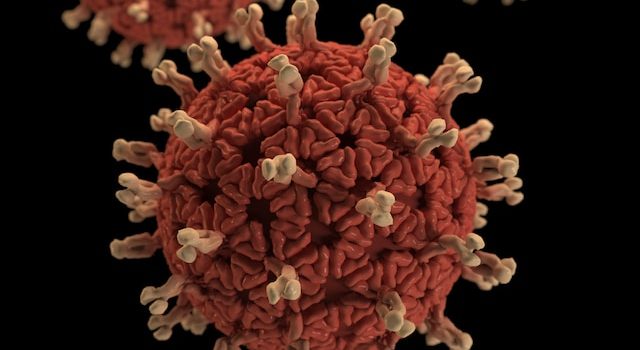
In recent years, the global health landscape has witnessed a remarkable transformation, with significant strides made in combating infectious diseases. Among the success stories, the decline of Mpox, a once-dreaded viral infection, stands as a testament to the power of science, international collaboration, and public health initiatives. As Mpox loses its grip on communities worldwide, it prompts reflection on the changing dynamics of global health and the challenges that lie ahead.

Mpox, an acronym encompassing mumps-measles-pertussis, was once a formidable threat to public health. Its highly contagious nature and potential for severe complications placed a burden on healthcare systems and caused considerable concern among parents and caregivers. However, through collective efforts, Mpox is gradually losing ground, paving the way for a healthier future.

One of the primary factors contributing to the decline of Mpox is the widespread implementation of vaccination programs. Governments and health organizations have recognized the critical role of vaccines in preventing the spread of infectious diseases, including Mpox. By improving immunization coverage and accessibility, communities are better equipped to protect themselves and their loved ones from this once-feared virus.

The success of vaccination campaigns has been augmented by advancements in surveillance and early detection systems. Public health agencies have strengthened their ability to monitor disease patterns, swiftly identify outbreaks, and implement targeted interventions. This proactive approach has proven instrumental in curbing Mpox transmission and minimizing its impact on communities.

Dr. Emma Reynolds, a renowned infectious disease expert, emphasized the significance of comprehensive surveillance in combating Mpox. “Accurate data and timely reporting enable us to track the spread of the virus, identify vulnerable populations, and allocate resources strategically. This information empowers us to take targeted action, ultimately reducing the burden of Mpox on public health.”

Despite the progress made, challenges persist in the fight against Mpox and other infectious diseases. Vaccine hesitancy, fueled by misinformation and mistrust, poses a significant hurdle to achieving optimal immunization coverage. Addressing these concerns requires multifaceted approaches, including community engagement, effective communication, and targeted education campaigns to dispel myths surrounding vaccines.

Furthermore, the unequal distribution of healthcare resources remains a pressing issue. While some regions have made substantial strides in combating Mpox, others continue to struggle due to limited access to vaccines, diagnostic tools, and healthcare services. Achieving equity in global health requires addressing these disparities and ensuring that every individual, regardless of their geographical location, has access to life-saving interventions.

The decline of Mpox also sheds light on the broader landscape of global health and the evolving nature of infectious diseases. As certain diseases come under control, new challenges emerge, demanding attention and resources. Antimicrobial resistance, emerging viral infections, and the impact of climate change on disease patterns are among the pressing issues that demand concerted efforts from the global health community.

Moreover, the Mpox experience serves as a reminder of the interconnectedness of our world. Infectious diseases do not recognize borders, making international collaboration and information sharing vital components of effective disease control. Through initiatives such as the Global Health Security Agenda and the sharing of scientific knowledge, nations can work together to strengthen health systems, enhance surveillance, and respond rapidly to disease outbreaks.

As Mpox’s grip weakens, it is crucial to celebrate the achievements while remaining vigilant. The global health community must maintain its dedication to preventive measures, surveillance, and research to prevent the resurgence of diseases such as Mpox. Furthermore, efforts should be directed towards addressing the social determinants of health, promoting health literacy, and improving healthcare access for marginalized communities.

The decline of Mpox represents a significant milestone in the journey towards better global health. It highlights the power of vaccination, surveillance, and international cooperation in conquering infectious diseases. However

, it also serves as a reminder that our work is far from over. By acknowledging the changing landscape of global health and redoubling our efforts, we can continue to build a healthier, more resilient world for generations to come.

In conclusion, Mpox’s diminishing presence symbolizes the triumph of science, collaboration, and public health strategies. Through widespread vaccination, improved surveillance, and targeted interventions, communities around the world have made significant progress in containing Mpox. Nevertheless, addressing remaining challenges, including vaccine hesitancy and healthcare disparities, while preparing for emerging health threats, remains crucial. The declining threat of Mpox should inspire renewed commitment to global health, shaping a future where infectious diseases are no longer a formidable force.