
Introduction:

Flexibility is a key component of overall fitness and plays a vital role in enhancing athletic performance, preventing injuries, and improving daily functional movements. Whether you’re an athlete, fitness enthusiast, or someone looking to enhance their overall well-being, incorporating flexibility workouts into your routine can yield numerous benefits. In this article, we present five effective flexibility workouts that can help improve your range of motion and enhance your physical capabilities.

1. Dynamic Stretching:

Dynamic stretching involves active movements that mimic the motions of your workout or sport. This type of stretching helps warm up your muscles, lubricate the joints, and improve flexibility. Perform exercises such as leg swings, arm circles, and walking lunges to increase blood flow, activate the muscles, and improve joint mobility. Dynamic stretching is especially beneficial before workouts or physical activities.

2. Yoga:

Yoga combines stretching, strength, and balance exercises with focused breathing and mindfulness. It is a holistic practice that promotes flexibility, stability, and mental well-being. Incorporate yoga poses such as downward dog, warrior series, and seated forward bends into your routine to enhance flexibility in various muscle groups, including the hamstrings, hips, and spine. Attending regular yoga classes or following online tutorials can help you refine your technique and progress in your practice.

3. Pilates:

Pilates focuses on core strength, stability, and flexibility. The controlled movements and emphasis on proper alignment help improve posture and range of motion. Incorporate exercises like the roll-up, spine stretch forward, and hip circles to target the muscles of the core, back, and hips, improving flexibility and overall body control. Pilates classes, whether in-person or online, can provide guidance and support as you explore this form of exercise.

4. Active Isolated Stretching (AIS):

Active Isolated Stretching involves holding a stretch for a short period (1-2 seconds) and then releasing it, allowing the muscles to relax before repeating the stretch. AIS improves flexibility by gradually elongating the muscles without triggering the protective stretch reflex. Focus on specific muscle groups, such as the hamstrings, quadriceps, and shoulders, using exercises like the standing hamstring stretch, quad stretch, and chest opener. Incorporating AIS into your routine can help improve range of motion and prevent injuries.

5. Foam Rolling:

Foam rolling, also known as self-myofascial release, involves using a foam roller to apply pressure to tight muscles and trigger points. This technique helps release tension and increase flexibility by breaking down knots and adhesions in the muscles and fascia. Roll over target areas, such as the calves, quadriceps, and upper back, applying moderate pressure for 30-60 seconds. Foam rolling can be used as a pre-workout warm-up or as part of your post-workout recovery routine.

Research Techniques: Ensuring Accuracy and Safety

When exploring fitness and wellness topics, it’s essential to employ research techniques that ensure accuracy and safety. Here are some strategies for verifying information and uncovering reliable sources:

1. Expert Consultation: Consult with certified fitness professionals, trainers, or physical therapists who specialize in flexibility training to gather insights, tips, and safety precautions.

2. Peer-Reviewed Studies: Refer to peer-reviewed scientific studies and reputable health and fitness journals to gather evidence-based information on the benefits and effectiveness of different flexibility workouts.

3. Personal Experience: Incorporate personal experiences and anecdotes to provide practical insights and relatable perspectives on the effectiveness of the recommended flexibility workouts.

4. User Reviews and Testimonials: Consider user reviews and testimonials from reputable fitness resources, online communities, and social media platforms to gauge

the popularity and effectiveness of specific flexibility workouts.

Adhering to Journalistic Ethics: Informative and Engaging Reporting

In delivering accurate reporting, it’s essential to adhere to journalistic ethics while presenting information in an informative and engaging manner. Here are some key principles:

1. Accuracy: Verify information from credible sources and provide proper attribution for factual claims.

2. Clarity: Use clear and concise language to ensure that readers can understand and follow the instructions and benefits of each flexibility workout.

3. Balance: Present a balanced perspective by highlighting the benefits, limitations, and potential risks associated with the recommended flexibility workouts.

4. Engaging Style: Employ a conversational and engaging writing style to maintain reader interest and encourage them to incorporate flexibility workouts into their fitness routines.

Conclusion

Improving flexibility through targeted workouts is a valuable investment in your overall well-being. Incorporating dynamic stretching, yoga, Pilates, active isolated stretching (AIS), and foam rolling into your routine can help enhance your range of motion, prevent injuries, and optimize your physical performance. By employing research techniques, adhering to journalistic ethics, and delivering accurate reporting, we hope to empower readers to embrace these flexibility workouts and experience the numerous benefits they offer for their fitness journeys.
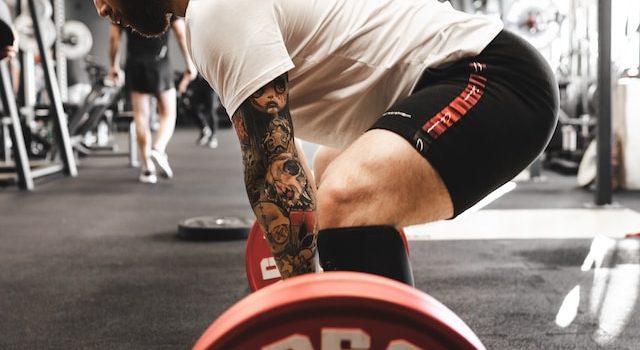

 

Introduction:

In our fast-paced and stress-laden society, finding effective ways to combat stress has become a top priority for many. While stress can have detrimental effects on our physical and mental well-being, there is one activity that has been gaining recognition for its stress-reducing benefits: weight lifting. Beyond its ability to build muscle and strength, weight lifting has a profound impact on stress levels, thanks to the release of endorphins during exercise. This article explores the role of weight lifting in reducing stress and highlights its unique advantages as a stress management tool.

The Endorphin Connection:

Endorphins, often referred to as the “feel-good” hormones, are neurotransmitters that act as natural painkillers and mood boosters. They are released by the body during physical activity, including weight lifting. When we engage in weight lifting exercises, our bodies respond by releasing endorphins, creating a sense of euphoria and well-being. This endorphin rush not only helps to alleviate physical discomfort but also works to counteract the negative effects of stress on our mental health.

A Natural Stress Buster:

Weight lifting offers a unique and effective way to combat stress due to its ability to engage both the body and mind. The focused and repetitive nature of weight lifting exercises requires concentration and mental presence, allowing individuals to temporarily escape from stressful thoughts and worries. By directing their attention to the movements and the physical exertion involved, weight lifters experience a reduction in stress and an increased sense of mental clarity and calmness.

Releasing Tension and Relaxation:

Stress often manifests in our bodies as tension, leading to muscle tightness and discomfort. Weight lifting provides an outlet for releasing this tension and promoting relaxation. As individuals engage in weight lifting exercises, they activate and strengthen different muscle groups, helping to alleviate muscle tension and promote overall relaxation. The rhythmic nature of weight lifting movements can also have a meditative effect, calming the mind and soothing the nervous system.

Empowerment through Strength:

One of the unique aspects of weight lifting is the sense of empowerment and accomplishment it brings. As individuals progressively challenge themselves with heavier weights and achieve new personal bests, they build a sense of confidence and self-efficacy. This feeling of empowerment extends beyond the weight room and can have a positive impact on how individuals perceive and handle stress in their daily lives. The mental and emotional strength gained through weight lifting translates into a greater ability to cope with and manage stressors effectively.

A Healthy Outlet for Emotional Release:

Stress often comes with a range of emotions, from frustration and anger to sadness and anxiety. Weight lifting provides a healthy and constructive outlet for emotional release. By channeling these emotions into physical exertion, individuals can release pent-up feelings and find emotional balance. The controlled and disciplined nature of weight lifting helps individuals regain a sense of control over their emotions, allowing for a healthier and more constructive expression of stress and emotions.

Building Resilience and Mental Toughness:

Regular weight lifting sessions not only strengthen our muscles but also build resilience and mental toughness. As individuals face physical challenges and push their limits, they develop a mindset of perseverance and determination. This mental fortitude gained through weight lifting transfers to everyday life, enabling individuals to approach stressful situations with greater resilience and a more positive outlook. Weight lifting teaches us that we are capable of overcoming obstacles, fostering a sense of mental strength that helps combat stress.

Conclusion:

Weight lifting goes beyond mere physical exercise; it serves as a powerful tool for reducing stress and improving overall well-being. Through the release of endorphins, the release of tension, the empowerment it brings, the healthy outlet for emotional release, and the cultivation of resilience and mental toughness, weight lifting offers

a holistic approach to stress management. So, if you’re seeking an effective way to combat stress, consider incorporating weight lifting into your routine. Pump iron, pump endorphins, and experience the transformative benefits of weight lifting in reducing stress.


Details


Introduction:

In a fast-paced world filled with stress and anxiety, taking care of our mental health has become more important than ever. While traditional approaches like therapy and medication remain vital, alternative practices such as yoga are gaining recognition for their positive impact on mental well-being. Yoga, an ancient practice originating from India, offers a unique combination of physical postures, breathing exercises, and meditation techniques that can foster a profound mind-body connection. In this article, we will explore how yoga affects mental health and the growing body of scientific evidence supporting its therapeutic benefits.

The Stress-Reducing Effects of Yoga:

Stress is a prevalent issue in modern society and can take a toll on mental health. Yoga has been found to be effective in reducing stress levels by activating the body’s relaxation response. The practice of yoga encourages deep breathing, relaxation, and mindfulness, which can lower cortisol levels, reduce anxiety, and promote a sense of calm and well-being. By incorporating yoga into their routine, individuals can find relief from the daily pressures that contribute to mental distress.

Enhancing Emotional Resilience:

Yoga cultivates emotional resilience by helping individuals develop greater self-awareness and emotional regulation. The mindful and meditative aspects of yoga allow practitioners to observe their thoughts and emotions without judgment, fostering a sense of acceptance and self-compassion. This heightened self-awareness provides the tools necessary to manage and navigate difficult emotions, leading to improved emotional well-being and resilience in the face of life’s challenges.

Boosting Mood and Alleviating Depression:

Scientific studies have demonstrated the positive impact of yoga on mood enhancement and alleviation of depressive symptoms. Regular yoga practice has been shown to increase levels of neurotransmitters such as gamma-aminobutyric acid (GABA), serotonin, and dopamine, which are associated with improved mood and overall mental well-being. Additionally, the physical movement and stretching in yoga release endorphins, the body’s natural feel-good hormones, contributing to a sense of happiness and relaxation.

Promoting Mindfulness and Mental Clarity:

Yoga encourages the practice of mindfulness, the state of being fully present and aware of the present moment. This mindfulness practice cultivates mental clarity, focus, and attention, allowing individuals to detach from worrisome thoughts about the past or future. By training the mind to stay present, yoga helps individuals develop a more positive outlook, reduce rumination, and improve overall mental clarity.

Building Self-Confidence and Body Image:

Yoga promotes a positive body image and self-confidence by emphasizing self-acceptance and self-love. The non-judgmental environment of yoga classes encourages individuals to listen to their bodies, honor their limitations, and appreciate their unique strengths. As practitioners witness their progress in mastering yoga poses and experiencing physical and mental growth, their self-esteem and body image improve, leading to a more positive self-perception.

Creating a Supportive Community:

Engaging in yoga classes provides an opportunity to connect with like-minded individuals and build a supportive community. The sense of belonging and social interaction fostered in yoga studios can combat feelings of loneliness and isolation, which are often associated with mental health issues. The supportive environment and shared experiences within the yoga community can contribute to overall well-being and serve as a valuable source of emotional support.

Conclusion:

Yoga offers a holistic approach to mental health, addressing the interconnectedness of the mind and body. Through its combination of physical movement, controlled breathing, mindfulness, and meditation, yoga has been shown to reduce stress, enhance emotional resilience, boost mood, promote mindfulness, improve self-confidence, and create a supportive community. While it is important to note that yoga should not replace professional mental health care, it can serve as a complementary practice to support overall mental well-being. So, unroll your mat, embrace the mind-body connection, and discover the transformative benefits of yoga for your mental health.


Introduction:

Exercise has long been recognized for its physical benefits, from improving cardiovascular health to building strength and endurance. However, beyond the physical realm, exercise also has the power to enhance our mental and emotional well-being. In this article, we will explore how exercise can serve as a gateway to self-awareness, helping us cultivate a deeper understanding of ourselves and find joy in the process of movement.

1. The Mind-Body Connection:

Engaging in regular physical activity allows us to connect with our bodies in a profound way. As we move, we become more attuned to our physical sensations, breathing patterns, and the capabilities of our bodies. This heightened awareness fosters a deeper connection between our minds and bodies, enabling us to listen to and respond to the needs of our physical selves.

2. Mindfulness in Motion:

Exercise can be a powerful catalyst for practicing mindfulness. Whether it’s through yoga, running, or any other form of physical activity, the act of moving with intention and focus allows us to be fully present in the moment. By directing our attention to the sensations of our bodies and the rhythm of our movements, we can cultivate a sense of mindfulness that transcends the boundaries of our exercise routines and spills over into our daily lives.

3. Emotional Release and Stress Relief:

Physical exertion has the remarkable ability to release built-up tension and stress in our bodies. Engaging in vigorous exercise stimulates the production of endorphins, also known as “feel-good” hormones, which can elevate our mood and reduce anxiety and depression. Through movement, we create an outlet for emotional release, allowing us to process and navigate through life’s challenges more effectively.

4. Self-Reflection and Introspection:

Exercise provides a valuable opportunity for self-reflection and introspection. As we engage in repetitive or rhythmic movements, our minds often wander, creating space for introspective thoughts and personal insights. This meditative quality of exercise allows us to gain clarity, process emotions, and explore our inner selves. It becomes a time for personal growth and self-discovery.

5. Building Confidence and Empowerment:

Regular exercise can significantly enhance our self-confidence and empower us in various aspects of life. As we witness our bodies getting stronger, our endurance increasing, and our skills improving, we develop a sense of accomplishment and belief in our capabilities. This newfound confidence translates beyond the realm of exercise, empowering us to tackle challenges, set goals, and embrace new opportunities with a greater sense of self-assurance.

6. Community and Connection:

Engaging in exercise often brings us into contact with like-minded individuals who share our passion for movement. Whether it’s joining a sports team, attending fitness classes, or participating in group activities, the sense of community and connection that arises from shared physical endeavors can be profoundly enriching. These connections provide support, motivation, and a sense of belonging, further enhancing our self-awareness and personal growth.

7. Embracing Joy and Playfulness:

Lastly, exercise encourages us to embrace the joy and playfulness of movement. Whether it’s dancing, swimming, hiking, or engaging in any form of physical activity that brings us pleasure, exercising allows us to reconnect with our innate sense of joy and playfulness. By prioritizing activities that bring us happiness and incorporating them into our exercise routines, we tap into a wellspring of positivity and self-fulfillment.

Conclusion:

Exercise is more than just a means to physical fitness; it is a gateway to self-awareness, self-reflection, and personal growth. By embracing the joy of movement, cultivating mindfulness, releasing tension, and connecting with our bodies and minds, we open the door to a deeper understanding of ourselves. Through exercise, we can embark

on a transformative journey of self-discovery, harnessing the power of movement to nurture our overall well-being and unlock our true potential.


Introduction:

Elite athletes are known for their exceptional physical abilities and extraordinary performances. While their achievements may seem out of reach for the average person, there are valuable strategies and practices that can help individuals elevate their fitness game and reach new heights. In this article, we will explore some of the secrets of elite athletes and provide actionable tips for taking your fitness to the next level.

1. Set Clear and Specific Goals:

Elite athletes have a clear vision of what they want to achieve. Setting specific goals allows you to focus your efforts and track your progress. Whether it’s improving your endurance, increasing strength, or mastering a new skill, establish measurable goals that challenge you and provide a sense of direction.

2. Consistency is Key:

Consistency is a crucial element in any fitness journey. Elite athletes follow structured training programs and commit to regular workouts. Develop a consistent routine that aligns with your goals and make exercise a non-negotiable part of your schedule. Consistency builds momentum and helps you make progress over time.

3. Embrace Cross-Training:

Cross-training involves incorporating a variety of exercises and activities into your fitness routine. Elite athletes often engage in cross-training to enhance their overall performance and prevent overuse injuries. Explore different forms of exercise, such as strength training, cardiovascular workouts, flexibility exercises, and sports-specific drills, to improve your overall fitness and challenge your body in new ways.

4. Prioritize Recovery and Rest:

Rest and recovery are essential components of any successful fitness regimen. Elite athletes understand the importance of giving their bodies time to heal and recharge. Incorporate rest days into your training schedule and prioritize quality sleep to allow your muscles to recover and adapt. Additionally, incorporate techniques such as stretching, foam rolling, and massage to aid in muscle recovery and reduce soreness.

5. Seek Professional Guidance:

Elite athletes often work with coaches and trainers who provide expert guidance and support. Consider seeking professional assistance to optimize your training and technique. A qualified fitness trainer or coach can provide personalized workouts, assess your form, and offer valuable feedback to help you achieve better results and avoid potential injuries.

6. Stay Motivated and Find Accountability:

Motivation can waver, but elite athletes find ways to stay focused and committed. Surround yourself with like-minded individuals who share your passion for fitness or join a fitness community. Having a workout buddy, participating in group classes, or enlisting the help of an accountability partner can provide the support and motivation needed to stay on track.

7. Fuel Your Body with Proper Nutrition:

Elite athletes understand that nutrition plays a vital role in optimizing performance. Focus on consuming a balanced diet that includes a variety of whole foods, lean proteins, complex carbohydrates, and healthy fats. Fueling your body with the right nutrients helps support energy levels, recovery, and overall well-being.

Conclusion:

Becoming an elite athlete may not be everyone’s goal, but we can all benefit from adopting some of the strategies used by these exceptional individuals. By setting clear goals, maintaining consistency, embracing cross-training, prioritizing recovery, seeking professional guidance, staying motivated, and fueling our bodies with proper nutrition, we can take our fitness game up a notch and achieve significant improvements in our overall health and performance. Remember, progress takes time and dedication, so stay committed to your fitness journey and enjoy the process of unlocking your full potential.


Introduction:

When it comes to achieving your fitness goals, maximizing your workouts is key. Whether you’re striving for weight loss, muscle gain, increased endurance, or overall fitness improvement, there are several strategies you can employ to enhance your performance and get better results from your training sessions. In this article, we will explore valuable tips and techniques to help you make the most out of your workouts.

1. Set Clear and Specific Goals:

Before stepping into the gym or starting your workout routine, it’s essential to establish clear and specific goals. Having a target in mind will give you direction and purpose, allowing you to tailor your workouts accordingly. Whether it’s increasing your strength, improving your running pace, or completing a specific number of repetitions, defining your goals will provide focus and motivation.

2. Plan and Vary Your Workouts:

A well-structured workout plan is crucial for maximizing results. Create a balanced routine that includes a mix of cardiovascular exercises, strength training, and flexibility work. Plan different types of workouts throughout the week to target different muscle groups and keep your body challenged. By incorporating variety, you’ll prevent boredom, plateauing, and overuse injuries.

3. Warm-Up and Cool Down Properly:

Never underestimate the importance of warming up and cooling down before and after your workouts. Warm-up exercises, such as light cardio and dynamic stretching, prepare your muscles, joints, and cardiovascular system for the upcoming activity. Cooling down with static stretches and gentle movements helps to promote flexibility, reduce muscle soreness, and aid in recovery.

4. Focus on Proper Form and Technique:

Maintaining proper form and technique during your workouts is crucial for maximizing results and minimizing the risk of injury. Take the time to learn the correct form for each exercise and ensure that you’re performing them with precision. Consider working with a qualified fitness professional or trainer to guide you and provide feedback on your technique.

5. Incorporate High-Intensity Interval Training (HIIT):

To boost calorie burn, increase cardiovascular fitness, and improve overall performance, consider incorporating high-intensity interval training (HIIT) into your workouts. HIIT involves alternating between periods of intense exercise and short recovery periods. This type of training has been shown to be highly effective for fat loss, improving endurance, and maximizing time efficiency.

6. Prioritize Progressive Overload:

Progressive overload is the principle of gradually increasing the demands placed on your body to continually make progress. This can be achieved by increasing weights, repetitions, or intensity over time. By consistently challenging your muscles and pushing your limits, you’ll stimulate muscle growth, strength gains, and overall performance improvement.

7. Fuel Your Body Properly:

Nutrition plays a vital role in optimizing workout performance and recovery. Ensure that you’re fueling your body with a balanced diet that includes adequate protein, carbohydrates, and healthy fats. Pre-workout snacks or meals should provide sustained energy, while post-workout nutrition should focus on replenishing glycogen stores and aiding muscle recovery.

8. Stay Hydrated:

Proper hydration is essential for optimal workout performance. Dehydration can negatively impact your energy levels, endurance, and overall exercise capacity. Drink water before, during, and after your workouts to maintain hydration. Consider electrolyte-rich beverages for intense or prolonged exercise sessions.

9. Listen to Your Body:

While pushing yourself during workouts is important, it’s equally crucial to listen to your body and recognize its limits. Overtraining can lead to burnout, injuries, and hinder your progress. Pay attention to signs of fatigue, pain, or discomfort. Rest and recovery days are just as important as the training itself, allowing your body to heal and adapt.

10. Track Your Progress:

Monitoring your progress is key to staying motivated and making adjustments to

your workouts as needed. Keep a workout journal or use fitness tracking apps to record your exercises, weights, repetitions, and other relevant metrics. Seeing improvements over time can be incredibly rewarding and encourage you to keep pushing forward.

Conclusion:

By implementing these tips and techniques, you can take your workouts to the next level and achieve the results you desire. Remember, consistency, dedication, and a well-rounded approach are essential for maximizing performance and reaching your fitness goals. Embrace the challenge, stay motivated, and enjoy the journey toward a fitter and healthier you.


Introduction:

Golf is often considered a game of finesse and precision, but it also demands physical strength, flexibility, and control. While golf-specific training is essential for golfers, the exercises can also benefit athletes from various disciplines. By incorporating these exercises into their training regimen, athletes can enhance their overall fitness, improve performance, and reduce the risk of injury. In this feature, we will explore six golf-specific exercises that can benefit any athlete, regardless of their sport or level of expertise.

1. Rotational Medicine Ball Throws:

Rotational medicine ball throws are an excellent exercise for developing rotational power, core strength, and stability. Stand with your feet shoulder-width apart and hold a medicine ball with both hands. Rotate your torso and hips, engaging your core muscles, and explosively throw the ball to a partner or against a wall. This exercise mimics the rotational movement in the golf swing and enhances rotational power, which is valuable in sports like baseball, tennis, and hockey.

2. Single-Leg Deadlifts:

Single-leg deadlifts are a fantastic exercise for improving balance, stability, and lower body strength. Stand on one leg with a slight bend in the knee and hinge forward at the hips while extending the opposite leg behind you. Keep your back straight and lower the weights or your hands towards the ground. This exercise targets the hamstrings, glutes, and core muscles, which are crucial for maintaining stability and generating power in various sports, including soccer, basketball, and running.

3. Stability Ball Rollouts:

Stability ball rollouts are an effective exercise for strengthening the core muscles, particularly the abdominals and lower back. Begin in a plank position with your hands on a stability ball and your feet hip-width apart. Roll the ball forward by extending your arms while maintaining a straight line from head to toe. Engage your core and control the movement as you bring the ball back to the starting position. This exercise enhances core stability, which is vital for athletes in sports such as swimming, gymnastics, and martial arts.

4. Overhead Presses:

Overhead presses are an excellent exercise for developing upper body strength and stability. Stand with your feet shoulder-width apart and hold dumbbells at shoulder height. Press the dumbbells overhead until your arms are fully extended and then lower them back down to shoulder height. This exercise targets the shoulders, triceps, and upper back muscles, which are essential for generating power and maintaining control in sports like volleyball, basketball, and tennis.

5. Lateral Lunges:

Lateral lunges are a functional exercise that improves hip mobility, lower body strength, and stability. Stand with your feet hip-width apart and take a wide step to the side, bending the knee of the leading leg while keeping the other leg straight. Push off the leading leg and return to the starting position. This exercise targets the glutes, quadriceps, and adductor muscles, which are involved in lateral movements common in sports such as soccer, skiing, and martial arts.

6. High-Intensity Interval Training (HIIT):

High-Intensity Interval Training (HIIT) is a versatile training method that involves alternating between short bursts of intense exercise and periods of active rest. HIIT workouts can be customized to incorporate various exercises like sprinting, burpees, jumping jacks, and kettlebell swings. This form of training improves cardiovascular fitness, enhances endurance, and boosts overall athletic performance. Athletes in sports like football, rugby, and track and field can greatly benefit from incorporating HIIT into their training routine.

Conclusion:

Golf-specific exercises offer tremendous benefits for athletes across various sports. By incorporating rotational movements, single-leg exercises, core strengthening exercises, and upper and lower body workouts, athletes

can improve their overall fitness, enhance performance, and reduce the risk of injury. Whether you’re a golfer looking to enhance your game or an athlete from another discipline seeking to boost your performance, these golf-specific exercises will undoubtedly contribute to your overall athletic development.

Introduction:

In the glitz and glamour of Hollywood, the magic of makeup plays a crucial role in transforming actors into their on-screen characters. Behind every flawless face and iconic look, there is a talented makeup artist working tirelessly to create the desired effect. In this feature, we take you behind the scenes with Hollywood’s best makeup artists, giving you an exclusive glimpse into their world and the artistry that brings movie magic to life.

1. The Creative Process:

For Hollywood makeup artists, the creative process begins with an in-depth understanding of the script and the director’s vision. They collaborate closely with costume designers, hairstylists, and production designers to ensure that the makeup aligns seamlessly with the overall look and feel of the film. From period dramas to fantasy epics, makeup artists must adapt their skills to suit various genres and time periods.

2. Research and Inspiration:

Before starting any project, makeup artists dive into extensive research to ensure accuracy and authenticity. They study historical references, character descriptions, and visual cues to capture the essence of the characters they are working on. This research helps them develop unique looks and techniques that bring the characters to life on the big screen.

3. Customizing Makeup Looks:

Each character has a distinct personality, and makeup artists play a vital role in translating that personality into a visual representation. By working closely with actors, they understand their preferences and develop custom makeup looks that enhance their features and embody the character’s essence. This process often involves multiple makeup tests and collaborations to achieve the desired result.

4. Collaboration and Teamwork:

Makeup artists in Hollywood are part of a larger creative team that includes directors, producers, costume designers, and more. They collaborate closely with these professionals to ensure cohesive storytelling through makeup. The ability to work collaboratively, take feedback, and adapt to changes is essential for success in the industry.

5. Technical Expertise and Innovation:

Hollywood makeup artists are masters of their craft, armed with extensive technical knowledge and innovative techniques. They are well-versed in special effects makeup, prosthetics, and the latest advancements in the industry. From creating realistic wounds and scars to aging actors or even transforming them into fantastical creatures, their expertise knows no bounds.

6. Time Management and Pressure:

Working in the fast-paced world of Hollywood requires exceptional time management skills and the ability to perform under pressure. Makeup artists often have limited time to create intricate looks and must be adaptable to last-minute changes. Their calm demeanor and professionalism ensure that the actors feel comfortable and confident on set.

7. Attention to Detail:

In the world of cinema, where every frame is scrutinized, attention to detail is paramount. Hollywood makeup artists possess an impeccable eye for detail, ensuring that every aspect of the makeup, from the smallest freckle to the most elaborate prosthetic, is flawlessly executed. Their meticulousness adds an extra layer of authenticity to the characters they create.

Conclusion:

Behind the glamour and glitz of Hollywood lies a dedicated and talented group of makeup artists who work tirelessly to bring characters to life. Their creativity, technical expertise, and attention to detail are the driving forces behind the iconic looks we see on the big screen. Through research, collaboration, and innovation, they continuously push the boundaries of their craft, elevating the art of makeup in the world of cinema. It is their passion and dedication that make them true magicians behind the scenes of Hollywood’s biggest productions.


In the heart of London, a venerable institution with a legacy spanning over two centuries is embarking on a bold mission to reaffirm its position as the ultimate home for science. The Royal Institution (RI), founded in 1799, has long been a bastion of scientific knowledge, and now, it seeks to reclaim its status as a preeminent hub for exploration, discovery, and public engagement.

With its iconic location on Albemarle Street, the RI has been witness to some of the greatest scientific breakthroughs in history. From Michael Faraday’s groundbreaking experiments in electromagnetism to James Dewar’s pioneering work on liquefied gases, the institution has served as a hallowed ground for scientific minds to push the boundaries of human understanding.

However, in recent years, the RI has faced challenges in maintaining its prominent role amidst the changing landscape of scientific communication and the rise of alternative platforms for knowledge dissemination. Determined to reclaim its position at the forefront of scientific discourse, the institution has launched an ambitious campaign to revive its legacy and reinvent itself for the modern era.

At the heart of the RI’s revival strategy is a renewed commitment to scientific research. By fostering partnerships with leading academic institutions and industry pioneers, the institution aims to create an environment that nurtures groundbreaking discoveries and fosters interdisciplinary collaboration. Cutting-edge laboratories, state-of-the-art equipment, and access to a global network of experts will empower researchers to tackle society’s most pressing challenges.

One of the cornerstones of the RI’s rich history has been its iconic lecture series, which has captivated audiences for centuries. In its quest to be the home for science once again, the institution plans to revitalize these lectures, bringing together world-renowned scientists, thought leaders, and innovators to share their insights and inspire a new generation of curious minds. The RI’s commitment to public engagement extends beyond the lecture halls, with plans to harness digital platforms and innovative technologies to reach wider audiences and spark a passion for science across the globe.

Recognizing the transformative power of education, the RI is dedicated to inspiring the next generation of scientists. By expanding its educational programs, the institution aims to equip learners of all ages with the tools they need to explore and understand the world around them. From interactive workshops and hands-on experiments to mentorship opportunities and science festivals, the RI seeks to ignite a lifelong love for scientific discovery.

As the RI embarks on its journey to reclaim its position as the home for science, it faces both opportunities and challenges. Securing sustainable funding, embracing diversity and inclusion, and adapting to the evolving landscape of scientific communication will be critical to its success. The institution aims to forge strategic partnerships with philanthropic organizations, collaborate with diverse communities, and leverage emerging technologies to ensure its relevance and impact in the 21st century.

The Royal Institution’s endeavor to be the home for science once again represents a reaffirmation of its enduring legacy and a commitment to shaping the future of scientific exploration. By fostering a culture of innovation, collaboration, and public engagement, the institution aims to inspire generations to come and contribute to the collective pursuit of knowledge and understanding.


In a shocking exposé that has rocked the academic world, the dark underbelly of academic publishing has been revealed with the unveiling of the science scam. This eye-opening revelation exposes a web of deception, fraudulent research, and predatory practices that threaten the credibility and integrity of the scholarly publishing ecosystem.

Academic publishing has long been regarded as the cornerstone of knowledge dissemination, a trusted avenue for researchers to share their findings and contribute to the advancement of science. However, a recent investigation into the industry has brought to light the disturbing truth behind the scenes, where unethical conduct and compromised scientific integrity are distressingly common.

At the heart of the science scam lies the pervasive presence of fraudulent research. Under immense pressure to produce groundbreaking results and secure funding, some researchers have succumbed to the temptation of cutting corners, manipulating data, or even fabricating entire studies. This alarming behavior not only undermines the essence of scientific inquiry but also jeopardizes the trust placed in academic research and its potential impact on society.

Equally alarming is the rise of predatory publishing, an exploitative practice that preys on the aspirations of researchers. Predatory publishers, operating on a pay-to-publish model, often lure unsuspecting academics with promises of quick publication and wider exposure. However, these unscrupulous entities often bypass the rigorous peer review process, leading to the proliferation of low-quality or even fraudulent research in academic journals. This not only dilutes the credibility of the scientific literature but also places the burden of discernment on readers who may unknowingly rely on inaccurate or unreliable information.

The consequences of the science scam are profound and far-reaching. Misleading or falsified research findings can have severe repercussions, influencing policy decisions, public health initiatives, and scientific progress itself. Furthermore, the erosion of trust in academic publishing undermines the collaborative nature of scientific discovery and impedes the potential for meaningful advancements in various fields.

To address this pressing issue, concerted efforts are needed to restore integrity to academic publishing. Strengthening the peer review process and enhancing editorial standards are crucial steps in ensuring the accuracy and reliability of published research. Journals must prioritize transparency, rigorous evaluation, and accountability to weed out fraudulent or low-quality submissions. Additionally, the development of tools and resources to assist researchers in identifying reputable journals and navigating the publishing landscape is essential in preventing unwitting participation in predatory practices.

Institutions also play a vital role in combating the science scam. By establishing clear guidelines and promoting research ethics, they can create a culture that fosters responsible conduct and discourages fraudulent practices. Providing education and support to researchers on the nuances of academic publishing, including how to identify predatory publishers and navigate ethical dilemmas, is crucial in empowering them to make informed choices and safeguard their work.

Furthermore, collaboration between researchers, institutions, publishers, and funding bodies is necessary to effect meaningful change. Efforts should be directed toward raising awareness, sharing best practices, and developing industry-wide standards to ensure the integrity of academic publishing. Funding agencies can incentivize research transparency and reproducibility, encouraging researchers to prioritize the pursuit of knowledge over publication metrics.

The revelation of the science scam serves as a sobering reminder that the academic publishing industry is not immune to unethical practices and exploitation. It calls for a collective commitment to restoring trust, transparency, and integrity to scholarly publishing. Only through a concerted effort can we safeguard the credibility of academic research, nurture scientific progress, and ensure that the pursuit of knowledge remains an unwavering beacon of truth.