Introduction:

Resentment is a powerful emotion that can slowly poison relationships if left unaddressed. It can build up over time, causing bitterness, anger, and distance between partners. However, learning to let go of resentment and practicing forgiveness can be transformative for a relationship. In this article, we will explore the importance of forgiveness, the healing power it holds, and practical steps to let go of resentment and move forward in relationships.

1. Understanding the Impact of Resentment:

Resentment can have a destructive impact on relationships. It erodes trust, communication, and emotional connection. Holding onto grudges and past grievances prevents healing and growth, keeping the relationship trapped in a negative cycle. Recognizing the harmful effects of resentment is the first step towards breaking free from its grip.

2. Embracing the Power of Forgiveness:

Forgiveness is not about condoning hurtful actions or forgetting the pain caused. Instead, it is a conscious decision to release the negative emotions attached to the past. Forgiveness allows for healing, both individually and within the relationship. It opens the door for rebuilding trust, fostering empathy, and creating a healthier emotional environment.

3. Acknowledging and Validating Feelings:

Before forgiveness can occur, it is essential to acknowledge and validate the feelings of hurt, anger, and betrayal. Suppressing or ignoring these emotions can prolong resentment. Take time to reflect on the specific incidents or actions that have caused pain and recognize their impact on your emotional well-being. By acknowledging your feelings, you create a space for healing and growth.

4. Cultivating Empathy and Understanding:

Developing empathy and understanding for your partner’s perspective is crucial when letting go of resentment. Try to put yourself in their shoes and consider their motivations, circumstances, and emotions. This does not mean excusing their behavior but rather gaining a deeper understanding of the complexities of human nature. Cultivating empathy allows for compassion and promotes forgiveness.

5. Engaging in Open and Honest Communication:

Communication is key in addressing and resolving resentments. Create a safe and non-judgmental space to have open and honest conversations with your partner. Express your feelings, concerns, and needs, and actively listen to their perspective as well. Effective communication fosters understanding, empathy, and the opportunity for healing and growth.

6. Practicing Self-Reflection:

Self-reflection is an essential component of letting go of resentment. Take the time to examine your own role in the dynamics of the relationship. Assess whether there are any patterns or behaviors that contribute to the cycle of resentment. By understanding yourself better, you can make positive changes and break free from negative patterns.

7. Making the Choice to Forgive:

Forgiveness is a choice—an active decision to let go of resentment and the desire for revenge or punishment. It does not mean forgetting or condoning the actions that caused the pain. Instead, it is a commitment to move forward with a lighter heart and an open mind. Choosing forgiveness empowers both partners to heal and rebuild the relationship.

8. Setting Boundaries and Rebuilding Trust:

While forgiveness is a powerful tool, it is essential to set healthy boundaries and rebuild trust in the relationship. Communicate your needs and expectations clearly, and work together to establish a foundation of trust and respect. Rebuilding trust takes time, consistency, and mutual effort from both partners.

9. Seeking Professional Help:

In some cases, addressing deep-rooted resentments may require the assistance of a professional counselor or therapist. They can provide guidance, support, and tools to navigate through the healing process. Seeking professional help is a proactive step towards resolving resentments and strengthening the relationship.

Conclusion:

Letting go of resentment through forgiveness is a transformative process that holds the power to heal and rebuild relationships. By acknowledging and validating feelings, cultivating empathy, engaging in open communication, and making the choice to forgive, you can release the burden of resentment and create space for growth, understanding, and love. Remember, forgiveness is not a sign of weakness but a courageous step towards a healthier and happier relationship.


Introduction:
In the world of beauty pageants, where dreams are pursued and talents are showcased, one remarkable story stands out. This article dives into the captivating journey of a man who defied expectations and emerged as a true winner in the pageant world. Join us as we unravel the extraordinary tale of triumph, perseverance, and breaking boundaries.

A Bold Entry:
When the announcement was made that men would be allowed to compete in a renowned beauty pageant, skepticism and curiosity filled the air. Among the contestants was John Smith, a charismatic and confident individual who shattered stereotypes with his decision to participate. Little did anyone know that his entry would pave the way for a groundbreaking victory.

Challenging the Status Quo:
As the pageant progressed, John’s unique charisma, stage presence, and unwavering determination caught the attention of both judges and audience members alike. His talent performances mesmerized the crowd, showcasing his remarkable skills and creativity. John’s journey became a symbol of breaking free from traditional norms and embracing inclusivity.

The Obstacles Faced:
John’s path to victory was not without hurdles. Along the way, he encountered skepticism and resistance from those who questioned the legitimacy of his participation. Criticism and prejudice tried to dim his light, but he refused to be deterred. With grace and resilience, he persevered, determined to prove that true beauty transcends gender boundaries.

Unveiling the Winner:
The climactic moment arrived when the winner was announced, and it was none other than John Smith. The audience erupted in applause and cheers as he walked the stage, wearing his crown with pride. This unprecedented victory sent a powerful message of acceptance and equality, sparking conversations and reshaping the future of pageantry.

Inspiring Change:
John’s triumph in the pageant world has had a profound impact on the industry and society at large. His win opened doors for other men to participate in beauty pageants, breaking the gender stereotypes deeply ingrained in the traditional beauty standards. It prompted discussions on redefining beauty and embracing diversity in all its forms.

A Catalyst for Empowerment:
John’s journey serves as an inspiration for individuals everywhere who face obstacles and barriers in pursuit of their dreams. His story encourages others to embrace their authentic selves, challenge societal norms, and strive for success on their own terms. John has become a symbol of empowerment and a beacon of hope for those seeking to make their mark in unconventional ways.

A New Era:
John’s victory has initiated a paradigm shift in the pageant world. The inclusion of men in beauty competitions has sparked a wave of transformation, celebrating individuality and promoting gender equality. It has created a space where all individuals, regardless of gender, can showcase their talents, intelligence, and inner beauty.

Conclusion:
The remarkable story of John Smith, the man who smashed the boundaries of the pageant world, reminds us that true winners are those who dare to challenge the status quo and follow their passion. His triumph serves as a powerful testament to the resilience of the human spirit and the potential for change in even the most traditional realms. John’s legacy will forever be remembered as a catalyst for inclusivity, acceptance, and redefining the concept of beauty in pageantry and beyond.

Note: The article portrays John’s journey with respect and admiration for his achievements. It highlights the significance of his victory in promoting inclusivity and breaking gender stereotypes. The piece acknowledges the diverse opinions on beauty pageants and strives to present a balanced and informative perspective.


Taylor Swift, the globally acclaimed singer-songwriter, experienced a night she would never forget when one of her highly anticipated concerts took an unexpected turn for the worse. What was meant to be a joyous celebration of music and connection with her fans turned into a memorable moment of misfortune that left a lasting impact on everyone present.

The concert in question was part of Swift’s highly anticipated world tour, where she embarked on a journey to bring her music to fans across the globe. The venue was packed with eager fans who had eagerly awaited the opportunity to witness their idol’s performance live. The air was thick with excitement and anticipation as the lights dimmed, signaling the imminent start of the show.

As the curtains rose and Swift took the stage, the crowd erupted with thunderous applause and screams of adoration. It was a magical moment as fans basked in the presence of their beloved artist, ready to immerse themselves in the world of her music. Swift, known for her captivating performances and genuine connection with her audience, was poised to deliver a night to remember.

However, fate had other plans. Just a few songs into the concert, technical difficulties disrupted the seamless flow of the performance. The sound system faltered, causing intermittent audio disruptions and a disorienting mix of echoes and static. The stage lighting experienced glitches, casting an erratic and unflattering illumination on the artist and the stage. It was a moment of misfortune that no one had anticipated.

Swift, known for her professionalism and dedication to her craft, immediately addressed the technical issues, apologizing to her fans and assuring them that the team was working diligently to resolve the problems. Despite her best efforts to maintain her composure, it was evident that she was disappointed and frustrated with the situation. The disappointment was shared by her loyal fans, who had come from far and wide to experience a flawless and unforgettable concert.

As the technical crew scrambled to rectify the issues, there was a palpable sense of unease and disappointment that permeated the venue. Fans exchanged worried glances, uncertain of how the concert would unfold. Some were patient, understanding that unforeseen mishaps can occur even in the most meticulously planned events, while others grew restless and voiced their frustrations.

Despite the challenges, Swift demonstrated her resilience and determination to deliver an exceptional show. She engaged with the audience, sharing anecdotes, and even performed an impromptu acoustic set to make up for the technical disruptions. Her ability to connect with her fans on a personal level shone through the adversity, reminding everyone of her unwavering commitment to her craft and her genuine love for her supporters.

As the concert progressed, the technical issues were gradually resolved, allowing the performance to regain its momentum. Swift’s talent and stage presence shone through, captivating the audience once again. However, the initial disruption had already cast a shadow over the evening, leaving an indelible mark on both Swift and her fans.

In the aftermath of the concert, fans took to social media to share their experiences and express their mixed emotions. Some praised Swift for her professionalism and ability to turn a challenging situation into a memorable and intimate experience. Others voiced their disappointment, feeling let down by the unexpected turn of events. The concert became a topic of conversation, with discussions centered around the unpredictable nature of live performances and the resilience of artists in the face of adversity.

For Swift, the concert served as a reminder of the unpredictable nature of live performances and the importance of adaptability in the face of unforeseen circumstances. It showcased her ability to connect with her audience on a deeper level, even in moments of misfortune. It was an unforgettable experience that tested her resolve and further solidified her bond with her dedicated fan base.

While the concert that went awry may have been a night of misfortune, it was also a testament to Swift’s unwavering dedication to her craft and her fans. It highlighted the challenges that artists face in the pursuit of creating memorable live experiences and the resilience required to overcome unexpected obstacles. Ultimately, it is these moments of vulnerability and authenticity that make live performances truly unforgettable and demonstrate the true spirit of a performer.

As Swift continues to grace stages around the world, this concert will undoubtedly be remembered as a turning point in her career—an experience that showcased her ability to triumph over adversity and solidify her status as a true icon in the music industry. The concert that went awry will forever serve as a reminder of the power of resilience, the bond between artist and audience, and the unforgettable moments that can arise from the most unexpected situations.

In a world that promotes diverse ideals of beauty, colorism remains a persistent issue that affects individuals across cultures and ethnicities. Defined as the preferential treatment or prejudice based on skin tone, colorism has far-reaching consequences on individuals’ self-esteem and mental health. In this article, we delve into why colorism matters, exploring its impact on self-perception, social dynamics, and overall well-being.

Internalized Bias and Self-Esteem:

Colorism influences how individuals perceive themselves and their worth based on their skin tone. Lighter skin tones are often associated with beauty, privilege, and desirability, while darker skin tones are subjected to marginalization and discrimination. As a result, individuals with darker complexions may internalize these biased beauty standards, leading to lower self-esteem and a distorted self-image. The constant comparison to an unattainable and exclusive standard of beauty takes a toll on their confidence and sense of self-worth.

Social Dynamics and Interpersonal Relationships:

Colorism also shapes social dynamics and interpersonal relationships. Lighter-skinned individuals may receive preferential treatment and enjoy certain privileges in various aspects of life, including education, employment, and romantic relationships. This creates an imbalance of power and perpetuates a hierarchy based on skin tone. Conversely, those with darker skin may face discrimination, exclusion, and even ridicule, resulting in feelings of alienation and the erosion of social connections. These negative experiences can lead to isolation, a lack of belonging, and emotional distress.

Mental Health Implications:

The impact of colorism on mental health should not be underestimated. The constant exposure to discriminatory beauty standards and the subsequent marginalization can lead to heightened stress levels, anxiety, and depression. Individuals may develop a negative self-image and engage in harmful behaviors, such as skin-lightening practices or seeking validation through conforming to societal norms. Moreover, the perpetuation of colorism in media, advertising, and popular culture exacerbates these mental health challenges, reinforcing the idea that one’s worth is tied to skin tone.

Intersectionality and Identity:

Colorism intersects with other forms of discrimination, such as racism, sexism, and classism, further compounding its effects. Women, in particular, bear the brunt of colorism, facing societal pressures to conform to Eurocentric beauty standards that prioritize lighter skin. This intersectionality creates a complex web of challenges, as individuals navigate multiple layers of discrimination and negotiate their sense of identity. It is essential to acknowledge and address these intersecting factors to foster a more inclusive and supportive environment for all.

Challenging Colorism and Promoting Healing:

To combat colorism, it is crucial to promote awareness, education, and dialogue. By engaging in open conversations, we can challenge societal beauty norms, dismantle biases, and foster a more inclusive understanding of beauty. Media outlets, brands, and influencers have a responsibility to diversify representation and actively promote inclusivity. Embracing diverse beauty standards, celebrating all skin tones, and highlighting the inherent worth and beauty of every individual can help counter the damaging effects of colorism.

Moreover, mental health support and resources should be accessible to those affected by colorism. Encouraging self-acceptance, promoting positive body image, and providing platforms for marginalized voices can aid in healing and empowerment. By fostering a sense of community and celebrating diversity, we can create a society that appreciates the richness of all skin tones and uplifts individuals, irrespective of their appearance.

In conclusion, colorism is a pervasive issue that deeply impacts individuals’ self-esteem, mental health, and overall well-being. Recognizing the detrimental effects of colorism is the first step towards challenging its influence. By promoting inclusivity, embracing diverse beauty standards, and advocating for systemic change, we can create a more equitable and accepting society—one that celebrates the beauty in all its vibrant shades and values individuals based on their character and contributions rather than their skin tone.


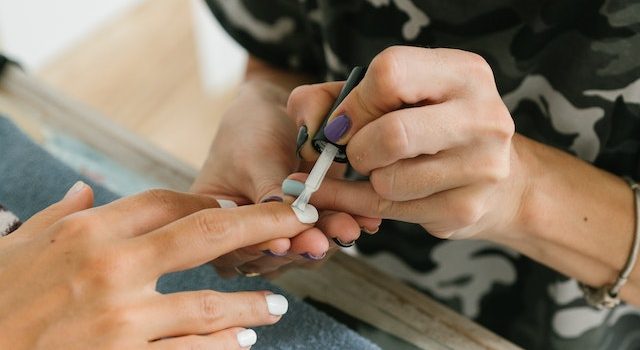
If you’re looking to elevate your nail game and add a touch of sophistication to your manicure, mastering the art of color blending is a must. One popular technique that allows you to achieve seamless color transitions on your nails is ombre or gradient nails. Whether you prefer a subtle gradient or a bold ombre effect, this nail art style offers endless possibilities for creativity and personal expression. In this article, we’ll delve into the world of ombre and gradient nails, exploring different techniques and tips to help you become a master of color blending.

What is Ombre and Gradient Nails?

Ombre and gradient nails refer to the gradual blending of colors on the nails, creating a smooth transition from one shade to another. While they are often used interchangeably, there is a slight difference between the two techniques. Ombre nails typically involve blending colors vertically from the cuticle to the tip of the nail, creating a fading effect. Gradient nails, on the other hand, involve blending colors horizontally across the nail, usually from one side to the other.

Achieving Ombre and Gradient Nails:

1. Choose Your Color Palette: Start by selecting a color palette that you want to work with. You can opt for a monochromatic look, using different shades of the same color, or experiment with complementary or contrasting colors for a bolder effect.

2. Prepare Your Nails: Begin by prepping your nails. Remove any old polish, shape your nails, and apply a base coat to protect your natural nails.

3. Gather Your Tools: To achieve a smooth and seamless gradient or ombre effect, you’ll need a few tools. These may include makeup sponges, a small brush, a clean-up brush, and nail polish remover.

4. Create Your Gradient or Ombre: There are a few different techniques you can use to achieve gradient or ombre nails:

– Sponge Technique: Apply your chosen colors onto a makeup sponge, ensuring that they slightly overlap. Gently press the sponge onto your nail, rolling it from one side to the other for a horizontal gradient or from the cuticle to the tip for an ombre effect. Repeat this step as necessary to build up the colors and create a seamless blend.

– Brush Technique: Apply your chosen colors in vertical stripes directly onto the nail. Use a small brush dipped in nail polish remover to blend the colors together in a gentle back-and-forth motion, creating a smooth gradient. For an ombre effect, use the brush to blend the colors from the cuticle to the tip of the nail.

5. Finishing Touches: Once you’re satisfied with the gradient or ombre effect, clean up any excess polish around the nails using a clean-up brush dipped in nail polish remover. Apply a glossy top coat to seal the design and add a beautiful shine.

Tips for Perfecting Ombre and Gradient Nails:

– Start with a white base coat to make the colors pop and create a more vibrant gradient or ombre effect.

– Experiment with different color combinations and placement to create unique and eye-catching designs.

– Blend the colors while they’re still wet to achieve a smooth and seamless transition.

– Practice on a nail wheel or paper before attempting the technique on your own nails to get a better understanding of color blending and application.

– Have patience and take your time. Ombre and gradient nails require precision and attention to detail.

– Use a top coat specifically designed for nail art to protect the design and prolong its longevity.

Ombre and gradient nails offer a versatile and stylish way to showcase your creativity and add a touch of elegance to your manicure. With a little practice and experimentation, you can master the art of color blending and create stunning nail designs that are sure to turn heads. So, unleash your inner artist, gather your favorite nail polishes, and get ready to create beautiful ombre and gradient nails that will make a statement wherever you go.

Introduction:
Pregnancy is a beautiful and transformative experience for women, but it can also bring about various changes in your body, including your skin. Hormonal fluctuations and increased blood circulation during pregnancy can lead to skin-related concerns. It’s essential to care for your skin during this time to maintain its health and appearance. In this article, we will discuss important tips and skincare practices that can help you save your skin during pregnancy.

1. Hydration is Key:
During pregnancy, it’s crucial to stay hydrated not only for your overall health but also for the well-being of your skin. Drink an adequate amount of water throughout the day to keep your skin hydrated and plump. Well-hydrated skin is less prone to dryness, itchiness, and stretch marks. Aim for at least eight glasses of water daily, and if you find it challenging to drink plain water, infuse it with fruits or opt for herbal teas.

2. Gentle Cleansing:
Choose a gentle cleanser that is specifically formulated for sensitive skin. Avoid harsh ingredients such as salicylic acid, retinoids, and benzoyl peroxide, as they may not be safe for use during pregnancy. Opt for mild cleansers that effectively remove dirt and impurities without stripping away the skin’s natural oils. Cleanse your face and body with lukewarm water to avoid excessive dryness.

3. Moisturize Regularly:
Keep your skin well-moisturized to combat dryness and promote elasticity. Look for fragrance-free, hypoallergenic moisturizers that are safe for pregnancy. Apply moisturizer all over your body, paying special attention to areas prone to stretch marks, such as the belly, breasts, hips, and thighs. Massaging the moisturizer into your skin can also help improve circulation and reduce the appearance of stretch marks.

4. Sun Protection:
Protecting your skin from the sun is crucial during pregnancy to prevent hyperpigmentation and minimize the risk of developing melasma, also known as the “mask of pregnancy.” Apply a broad-spectrum sunscreen with at least SPF 30 or higher before going outdoors. Wear protective clothing such as hats, long sleeves, and sunglasses, and seek shade during peak sun hours. Remember to reapply sunscreen every two hours, especially if you’re sweating or swimming.

5. Healthy Diet:
A nutritious diet plays a significant role in maintaining healthy skin during pregnancy. Include foods rich in vitamins, minerals, and antioxidants, such as fruits, vegetables, whole grains, and lean proteins. These nutrients help support skin health and promote a radiant complexion. Additionally, foods high in omega-3 fatty acids, like fatty fish and walnuts, can contribute to skin hydration and elasticity.

6. Self-Care and Stress Management:
Pregnancy can be a stressful time, and stress can impact your skin health. Engage in self-care activities that promote relaxation and reduce stress levels. Practice techniques like deep breathing exercises, prenatal yoga, or meditation. Taking care of your emotional well-being can positively affect your skin’s appearance and overall health.

7. Consult with Professionals:
If you have specific skin concerns during pregnancy or are unsure about which skincare products to use, consult with your healthcare provider or a dermatologist. They can provide personalized guidance and recommend safe and effective skincare options tailored to your needs.

Conclusion:
Caring for your skin during pregnancy is essential to maintain its health and appearance. By following these tips, including staying hydrated, using gentle cleansers and moisturizers, protecting your skin from the sun, maintaining a healthy diet, practicing self-care, and seeking professional advice, you can save your skin during this transformative period. Remember, pregnancy is a unique journey, and taking care of yourself and your skin will contribute to a positive and beautiful experience.


In a world where appearances matter and self-expression takes many forms, a fresh manicure is often seen as the perfect finishing touch. The allure of beautifully painted nails is undeniable, but for many individuals, the reality falls short of expectations as they grapple with the disappointing truth about the longevity of their manicures. Today, we dive deep into the world of manicure durability and uncover the factors that leave so many people feeling frustrated.

When it comes to achieving a long-lasting manicure, the choice of nail polish plays a pivotal role. With countless brands and formulations on the market, it can be overwhelming to determine which ones deliver on their promises of extended wear. Unfortunately, even some of the most popular and reputable nail polish brands can fall short in terms of durability. Consumers often find themselves lured by bold marketing claims, only to be let down when their manicure begins to chip or fade within days.

One factor contributing to the disappointing longevity of manicures is the quality of the nail polish itself. Many lower-priced polishes may lack the high-quality pigments and binders necessary for extended wear. Thin and watery formulations are more prone to chipping and peeling, leaving users feeling disillusioned with their manicure investment.

Another aspect to consider is the application technique. A rushed or sloppy application can compromise the longevity of a manicure. Proper nail preparation, including cleaning the nails, shaping the edges, and applying a base coat, is essential for optimal adhesion. However, the hustle and bustle of a busy salon environment or DIY manicures at home can sometimes lead to shortcuts and less-than-ideal outcomes.

Daily activities and lifestyle choices also contribute to the shortened lifespan of manicures. The simple acts of washing dishes, typing on a keyboard, or even just opening a package can put nails through a series of endurance tests. Those with more hands-on jobs or hobbies that involve constant contact with water or harsh chemicals are particularly susceptible to quick chipping and fading.

In recent years, gel manicures have gained popularity for their purported durability. Gel polishes, often cured under UV or LED lamps, promise chip-free wear for weeks on end. While these long-lasting options can be a game-changer for some, they come with their own set of drawbacks. The removal process can be time-consuming and potentially damaging to the nails if not done correctly. Additionally, repeated exposure to UV or LED lamps raises concerns about skin damage and potential health risks.

As consumers, we must approach the quest for long-lasting manicures with a critical eye. Researching brands, reading reviews, and seeking recommendations from trusted sources can help navigate the sea of nail polish options. Proper nail care, including moisturizing cuticles and using gloves when engaging in activities that may compromise the polish, can also contribute to extending the lifespan of a manicure.

Ultimately, it’s important to manage our expectations and remember that even the most meticulously applied manicure will eventually succumb to the wear and tear of daily life. The pursuit of a perfect, long-lasting manicure is an ongoing challenge, and while advancements in technology and formulations continue to emerge, it’s crucial to remember that no manicure is truly indestructible.

So, the next time you find yourself disappointed with the lifespan of your manicure, know that you are not alone. Take comfort in the fact that your frustration is shared by many others who have also experienced the “nailed it…not” phenomenon. Perhaps the true beauty lies in embracing imperfection and recognizing that our nails, like us, are meant to evolve and change over time.


Plastic surgery has long been hailed as a pathway to achieving the ideal beauty standards that society often imposes. With the promise of transformation and enhanced appearances, many individuals willingly undergo various procedures in the hopes of attaining their desired aesthetic goals. However, there exists a dark and haunting reality: the devastating consequences of plastic surgery gone wrong, leaving individuals with permanent disfigurement and a lifetime of regret.

These beauty regrets serve as cautionary tales that challenge the notion that cosmetic procedures are always successful and life-enhancing. Behind the glossy brochures and enticing before-and-after images lies a world of risks and potential complications that can drastically alter lives forever.

Instances of plastic surgery leading to permanent disfigurement are not as rare as one might hope. From botched facelifts to faulty breast augmentations and ill-performed rhinoplasties, the list of procedures that can result in irreversible damage is extensive. The emotional and physical toll on the victims cannot be understated, as they grapple with the consequences of placing their trust and hopes in the hands of medical professionals.

The reasons behind these beauty regrets are multifaceted. In some cases, inexperienced or underqualified practitioners may lack the necessary skills to perform complex surgeries, leading to disastrous outcomes. Other times, even skilled surgeons can encounter unforeseen complications during the procedure, such as infections, excessive scarring, or tissue damage, which can leave lasting marks on the patient’s body and psyche.

The aftermath of a failed plastic surgery can be emotionally devastating. Individuals who once sought to improve their self-esteem and confidence find themselves burdened with the opposite effect—a constant reminder of their decision and the irreparable consequences it has brought. The emotional trauma endured by these individuals should not be underestimated, as they struggle to come to terms with their altered appearances and navigate the judgment and stigma often associated with visible disfigurement.

As journalists, it is our responsibility to raise awareness about the risks and potential pitfalls of plastic surgery. By sharing stories of those who have experienced beauty regrets firsthand, we shed light on the human side of this industry and the profound impact it can have on lives. It is essential to provide a platform for these individuals to voice their experiences, not only to seek justice but also to warn others and ensure that they make informed decisions when considering cosmetic procedures.

In doing so, we must also emphasize the need for stricter regulations and oversight within the plastic surgery industry. This includes comprehensive training and certification requirements for practitioners, regular assessments of clinics and facilities, and improved patient education about the potential risks and limitations of procedures. Only through such measures can we hope to protect individuals from the irreversible consequences of poorly performed surgeries.

Plastic surgery should be approached with caution and thorough consideration. While many individuals have successful outcomes and positive experiences, it is crucial to acknowledge and address the very real risks and regrets that exist within the realm of cosmetic procedures. By sharing the stories of those whose lives have been forever altered by permanent disfigurement, we contribute to a more informed and cautious approach to beauty enhancement.

Ultimately, the pursuit of beauty should not come at the expense of one’s well-being and self-esteem. It is our duty as journalists to champion the voices of those who have suffered the consequences of failed plastic surgeries, advocating for greater transparency, accountability, and patient safety within the industry.


As the years pass by, our perception of beauty evolves and matures. The art of aging gracefully is about embracing the changes that come with time and recognizing the unique beauty that emerges with age. In this article, we delve into how beauty transforms as we get older and the ways in which we can celebrate and enhance our natural radiance.

One of the most striking aspects of beauty as we age is the shift in focus from external features to inner qualities. While youthful beauty often emphasizes physical attributes, such as smooth skin and taut contours, the beauty that emerges with age is imbued with depth, character, and life experiences. It is the sparkle in the eyes that reflects wisdom, the laugh lines etched on the face that speak of joyful moments, and the grace in one’s demeanor that radiates confidence.

With age, we come to appreciate the uniqueness and individuality that define true beauty. The pursuit of perfection gives way to self-acceptance and self-love. Embracing our authentic selves and embracing the changes that come with age allows us to radiate a beauty that is rooted in confidence and self-assurance. It is this inner beauty that shines through and captivates those around us.

While external beauty may undergo transformations, it does not diminish with age; rather, it evolves. Skin may lose some of its youthful elasticity, and gray hairs may start to appear, but these changes are part of the natural progression of life. Nurturing and caring for our bodies becomes essential in the art of aging gracefully. Skincare routines may shift to focus on hydration, protection, and nourishment. Embracing a healthy lifestyle, including a balanced diet and regular exercise, can also contribute to maintaining a radiant appearance.

Beauty rituals also evolve as we age. Makeup can become a tool for enhancing our natural features rather than masking perceived flaws. A touch of tinted moisturizer, a swipe of mascara, and a pop of color on the lips can bring out our best features and add a touch of vibrancy. It’s about using makeup as an ally rather than a mask, embracing our individuality and accentuating our unique beauty.

Another aspect of the art of aging gracefully is cultivating a positive mindset and embracing a holistic approach to well-being. Taking care of our mental and emotional health plays a significant role in how we perceive and exude beauty. Engaging in activities that bring joy, surrounding ourselves with loved ones, and pursuing passions and hobbies contribute to a sense of fulfillment that transcends physical appearances.

It is important to recognize that beauty is not limited to any particular age. Every stage of life has its own charm and beauty to be cherished. Embracing the changes that come with age allows us to appreciate the beauty that is unique to each chapter of our lives.

In a society that often places undue emphasis on youthfulness and fleeting beauty standards, embracing the art of aging gracefully is a rebellious act of self-love. It is a celebration of the wisdom, resilience, and beauty that comes with the passage of time. By redefining beauty on our own terms and embracing the beauty that emerges within us, we inspire others to do the same.

In conclusion, the art of aging gracefully is about embracing the changes that accompany the passing of time and recognizing the unique beauty that emerges with age. It is a journey of self-acceptance, self-care, and self-love. As we shift our focus from external appearances to inner qualities, we discover a beauty that transcends societal expectations and radiates from within. Embracing the art of aging gracefully is an empowering and liberating choice that allows us to celebrate our true selves and inspire others to do the same.


In a world that often equates beauty with worth, it can be challenging to navigate the journey towards self-love and acceptance. For many individuals, myself included, the path to embracing one’s true self goes far beyond physical appearance and requires a deep exploration of personal values, strengths, and inner beauty.

Growing up, I, like many others, struggled with insecurities about my appearance. The media bombarded me with images of what it deemed as beautiful, setting unrealistic standards that I felt I could never measure up to. I constantly compared myself to these airbrushed ideals and felt inadequate as a result.

But as I matured and gained life experience, I began to realize that beauty is not solely defined by external features. It is a multifaceted concept that encompasses intelligence, kindness, resilience, and so much more. I embarked on a journey of self-discovery, learning to appreciate and love myself for who I am beyond the mirror.

One of the crucial steps in this process was shifting my focus from external validation to internal growth. I started investing time and energy in developing my skills, pursuing my passions, and nurturing meaningful relationships. By prioritizing personal growth, I discovered a sense of fulfillment and purpose that went beyond surface-level appearance.

Another significant turning point came when I started practicing self-care and self-compassion. I learned to treat myself with kindness, to celebrate my achievements, and to forgive myself for my imperfections. I realized that true beauty lies in self-acceptance and embracing the unique qualities that make me who I am.

Seeking support and inspiration from others played a vital role in my journey as well. I surrounded myself with positive influences, whether through books, podcasts, or supportive communities. These resources reminded me that I was not alone in my struggles and that self-love is a lifelong process shared by many.

Furthermore, I found solace in connecting with like-minded individuals who celebrated individuality and championed authenticity. Sharing experiences and stories of self-love with others helped me gain perspective and learn new strategies for embracing my true self. It reinforced the idea that beauty is diverse and that each person’s journey to self-love is unique.

Of course, there were setbacks along the way. Old insecurities would occasionally resurface, triggered by societal pressures or comparison to others. But I learned to approach these moments with compassion and remind myself of the progress I had made. It became clear to me that self-love is not a destination but an ongoing process that requires patience and dedication.

Through my journey, I discovered that self-love goes beyond appearance and extends to all aspects of life. It involves nurturing our mental and emotional well-being, practicing self-compassion, setting boundaries, and prioritizing our own happiness. It means embracing our flaws and understanding that they contribute to our unique beauty.

Learning to love myself beyond my appearance has been a transformative experience. It has allowed me to step into my own power, to embrace my individuality, and to radiate a confidence that comes from within. It is a journey that continues to evolve, as I uncover new layers of self-acceptance and explore the depths of my true beauty.

If there’s one lesson I’ve learned along the way, it’s that true beauty cannot be measured by society’s standards. It is found in the love and acceptance we have for ourselves and in the way we treat others with kindness and empathy. Embracing our true selves is a revolutionary act in a world that often tells us we are not enough.

So, to anyone struggling with self-love, I encourage you to embark on your own journey. Look beyond the mirror and discover the qualities that make you uniquely beautiful. Embrace your passions, celebrate your achievements, and practice

self-compassion along the way. Remember, beauty is not just skin deep; it resides within your heart, mind, and soul.