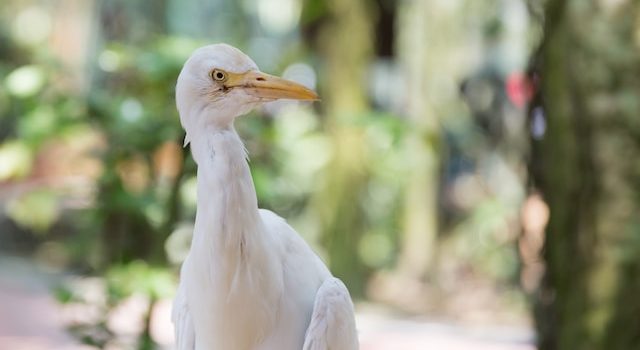
Doves, with their gentle nature and enchanting beauty, face an array of threats that endanger their populations around the world. From habitat loss and hunting to the perils of climate change, these challenges pose significant risks to the survival of these remarkable birds. In this article, we explore the threats faced by dove populations, shedding light on the pressing issues that require our attention and conservation efforts.
- Habitat Loss and Fragmentation:
Habitat loss and fragmentation stand as one of the primary threats to dove populations globally. As human activities expand, forests are cleared for agriculture, urban development, and other purposes, depriving doves of their natural habitats. The destruction of nesting sites, feeding grounds, and roosting areas disrupts the delicate balance that sustains dove populations.
Fragmentation further exacerbates the issue, as isolated patches of habitat limit the movement and dispersal of doves. This reduces their ability to find suitable mates, access sufficient food resources, and maintain healthy populations. Conservation efforts aimed at protecting and restoring dove habitats are crucial in mitigating the effects of habitat loss.
- Hunting and Poaching:
Doves have long been hunted for sport, food, and traditional practices. Unsustainable hunting and poaching practices pose a significant threat to dove populations, especially in areas where they are sought after for their meat or aesthetic value. Overexploitation can lead to population declines and disruption of ecological processes, upsetting the delicate balance within ecosystems.
Regulation and enforcement of hunting regulations, along with raising awareness about sustainable practices and the importance of protecting dove populations, are essential in curbing the detrimental impact of excessive hunting.
- Climate Change and Environmental Shifts:
The impacts of climate change, including rising temperatures, altered rainfall patterns, and extreme weather events, pose a significant threat to dove populations. These environmental shifts can disrupt the availability of food sources, nesting habitats, and migration patterns, ultimately affecting dove survival and reproduction.
For instance, changes in flowering and fruiting times can lead to a mismatch between the availability of resources and the timing of dove migrations or breeding seasons. Such disruptions can negatively impact breeding success, reproductive rates, and overall population health.
Mitigating the effects of climate change on dove populations requires comprehensive efforts, including the reduction of greenhouse gas emissions, the conservation of critical habitats, and the implementation of adaptive management strategies.
Conclusion:
Dove populations worldwide face a multitude of threats that jeopardize their existence. Habitat loss, hunting, and the impacts of climate change all contribute to the challenges these birds must navigate for survival. As we observe the grace and beauty of doves, it is crucial to recognize the urgent need for conservation action to protect and restore their habitats, regulate hunting practices, and address the impacts of climate change.
Through collective efforts, including the collaboration of governments, conservation organizations, and individuals, we can mitigate the threats faced by dove populations and ensure their long-term survival. Let us act as stewards of these remarkable birds, preserving their natural habitats and raising awareness about the importance of safeguarding their future.